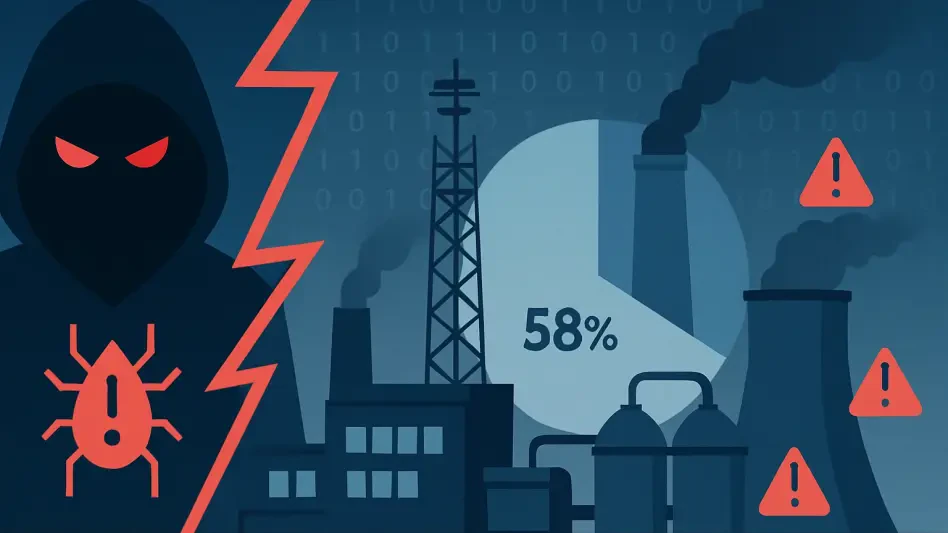

The fragility of our national healthcare network becomes painfully apparent whenever a small-town medical facility finds its life-saving technology locked behind a digital ransom demand. For years, rural hospitals have operated as the quiet backbone of American medicine, yet their reliance on aging software and limited technical staff has turned them into prime targets for global cybercrime syndicates. Recognizing this escalating threat, the Rural Hospital Cybersecurity Enhancement Act has emerged as a pivotal bipartisan initiative designed to shield these vulnerable institutions from predatory actors. This legislation marks a shift from reactionary patches toward a comprehensive strategy that treats digital security as a fundamental component of patient safety. By formalizing support through the Department of Health and Human Services, the act seeks to ensure that a zip code does not dictate the safety of medical records or the reliability of emergency care systems during a crisis. It moves the focus away from temporary fixes and toward a sustainable foundation that prioritizes people, training, and specialized technical resources.
Strategic Directives for Healthcare Digital Defense
Part 1: Developing a Specialized Technical Talent Pipeline
One of the primary obstacles facing rural medical centers is the chronic shortage of information technology professionals who possess the niche expertise required to defend complex healthcare networks. To combat this, the new mandates require the Department of Health and Human Services to explore innovative recruitment programs specifically tailored for remote areas. By establishing specialized educational tracks and loan forgiveness incentives, the government aims to attract top-tier cybersecurity talent to regions that have historically struggled to compete with the high salaries offered by urban tech hubs. This initiative moves beyond simple financial aid, focusing instead on building a sustainable ecosystem where experts are integrated into the local community. Furthermore, the act encourages the use of remote-participation models, allowing rural hospitals to leverage centralized security operations centers while maintaining local control over their infrastructure and data sovereignty. This ensures that even the most isolated clinics have access to the same level of protection as large metropolitan systems.
Beyond just bringing in outside talent, the legislation mandates the creation of robust support structures that facilitate knowledge sharing between the public and private sectors. The act recognizes that rural IT staff often work in isolation, making it difficult for them to stay updated on the latest encryption standards or threat actor tactics. To bridge this gap, HHS is tasked with developing regional cybersecurity hubs that serve as a direct line of communication between small hospitals and federal defense agencies. These hubs provide real-time alerts and technical assistance, ensuring that local administrators are never left to face a sophisticated breach alone. Additionally, the legislation provides funding for the modernization of legacy hardware, which is often the weakest link in the digital chain. By replacing outdated servers and implementing automated patch management systems, the act creates a more defensible perimeter that significantly reduces the surface area available for exploitation. This proactive stance is essential for maintaining the continuity of care in remote regions.
Part 2: Educating the Workforce for Cyber Resilience
In addition to technical upgrades, the legislation emphasizes the necessity of elevating the digital literacy of existing hospital staff through standardized instructional materials. Since human error remains a leading cause of security breaches, providing doctors, nurses, and administrators with actionable training on cybersecurity hygiene is essential for total system resilience. These resources are designed to be accessible and cost-effective, removing the financial burden that often prevents small facilities from hiring expensive third-party consultants. By fostering a culture of vigilance, the act empowers every employee to recognize phishing attempts and unauthorized access patterns before they can escalate into full-scale outages. This grassroots approach ensures that technical defenses are supported by a knowledgeable workforce, creating a multi-layered security posture that protects both clinical operations and sensitive patient data. By turning every staff member into a first line of defense, the hospital can effectively mitigate risks that software alone cannot address.
This focus on the human element extends to the development of specific protocols for medical device security and incident response. Rural facilities often use specialized diagnostic equipment that may not have modern security features built-in, making them vulnerable to lateral movement by hackers. The new instructional materials provide clear guidelines on how to segment these devices from the main network and how to react if a piece of equipment is compromised. By standardizing these procedures, the legislation ensures that hospital staff can act decisively during a crisis to contain a breach and protect patient safety. This empowerment reduces the reliance on external emergency responders who may be hours away, giving local teams the tools they need to manage the initial stages of a cyber incident. Ultimately, the goal is to create a self-sustaining security culture where every member of the medical team understands their role in safeguarding the hospital’s digital integrity and ensuring the uninterrupted delivery of life-saving medical services.
Part 3: Establishing Long-Term Accountability and Standards
The success of these initiatives depends heavily on a strict framework for transparency and congressional oversight that requires annual progress reports from the Department of Health and Human Services. These evaluations serve as critical checkpoints to assess the effectiveness of workforce training and the deployment of new security technologies across the rural healthcare landscape. By documenting the specific challenges faced by small facilities, lawmakers can adjust funding and policy directives in real-time to address emerging threats that might otherwise be overlooked. Furthermore, the act gains significant practical value through the support of the American Hospital Association and the National Rural Health Association, ensuring that federal mandates align with the operational realities of underfunded clinics. This collaborative feedback loop ensures that the national strategy remains dynamic and responsive to the shifting tactics of international cybercriminals. This oversight mechanism prevents the program from stagnating and keeps digital defense as a top priority.
As rural hospitals began integrating these comprehensive security protocols, the focus shifted toward maintaining long-term operational resilience and proactive threat hunting. Administrators who successfully implemented these changes moved away from reactive troubleshooting and instead prioritized the adoption of zero-trust architectures and segmented network environments. These efforts were complemented by the establishment of mutual aid agreements between regional providers, which ensured that critical patient data remained accessible even during localized system outages. Ultimately, the legislation provided the necessary resources to transform vulnerable clinics into hardened nodes within the national medical infrastructure. By standardizing cybersecurity expectations and providing the financial means to meet them, the act ensured that every patient received the same level of digital protection regardless of their geographic location. Moving forward, the industry must continue to adapt these frameworks to incorporate emerging artificial intelligence defenses to stay ahead of future adversaries.