
The rapid evolution of zero-day exploits and polymorphic malware has finally surpassed the biological limits of human security analysts who are tasked with defending increasingly complex cloud infrastructures. OpenAI responded to this widening gap by officially releasing GPT-5.5-Cyber, a specialized large language model designed specifically to handle the heavy lifting of automated incident response and proactive vulnerability research. This release marks a significant departure from general-purpose AI, as the new model features a hardened architecture that has been fine-tuned on petabytes of proprietary threat intelligence, forensic logs, and real-world exploit code. While previous iterations could assist in writing scripts or summarizing alerts, this version functions as an autonomous agent capable of executing multi-step remediation protocols without constant human intervention. The deployment of such technology arrives as corporate networks face thousands of sophisticated probes every minute, making the shift to AI-augmented defense a logical necessity.
Technical Foundations: Automated Intelligence and Integration
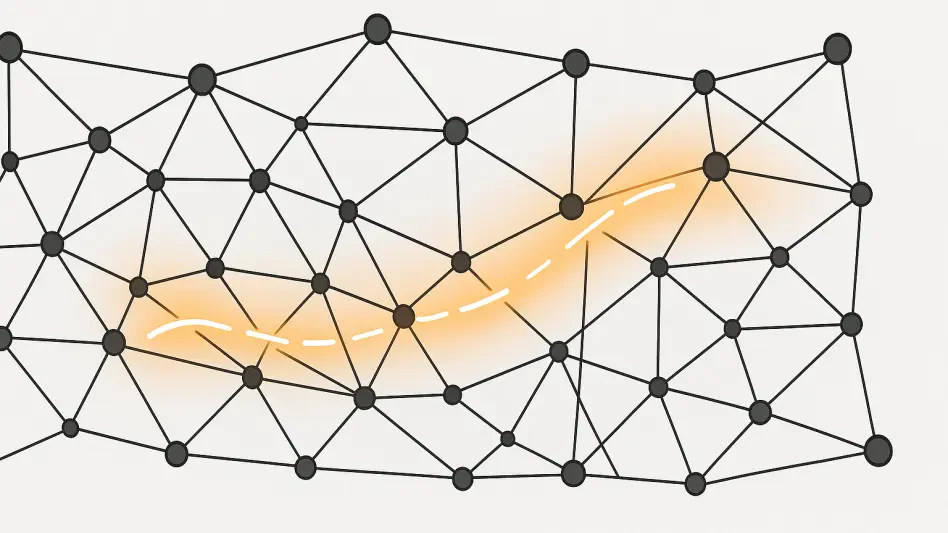
The underlying technology driving the new model leverages a specialized reasoning engine that prioritizes semantic understanding of network traffic over the simple pattern matching found in traditional antivirus solutions. By utilizing a massively expanded context window, the model can ingest entire repository structures or complex network topologies to identify subtle architectural flaws that would be invisible to localized scanning tools. This capability allows the system to predict potential lateral movement paths an attacker might take before a single packet is even sent by a malicious actor. Developers at OpenAI have incorporated a new verification layer that forces the model to cross-reference its defensive recommendations against established security frameworks like MITRE ATT&CK before suggesting a patch. This ensures that the automated responses are not only fast but also aligned with industry best practices, reducing the risk of accidental system downtime caused by over-aggressive automated blocking or misconfigured firewall rules.
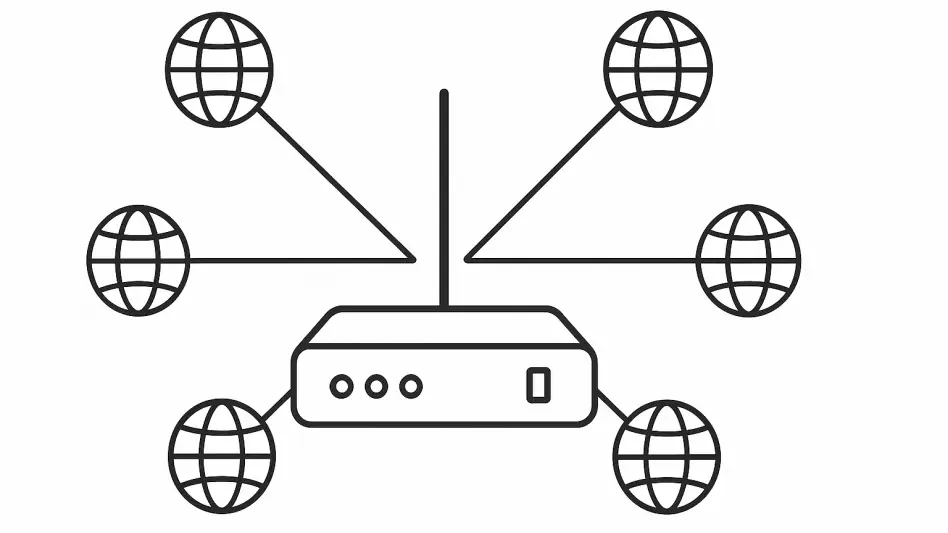
Integration capabilities serve as the backbone of this release, as the system is designed to plug directly into existing Security Information and Event Management platforms through a standardized API. Unlike earlier attempts at AI security that required complete infrastructure overhauls, this model functions as a cognitive overlay that enhances tools like Splunk or Microsoft Sentinel by providing natural language explanations for every automated action. It can simultaneously monitor thousands of endpoints, synthesizing data from disparate sources to construct a unified narrative of an ongoing breach in real time. When a threat is detected, the AI generates a comprehensive forensic report while concurrently deploying micro-segmentation to isolate infected nodes, effectively neutralizing threats in seconds rather than hours. This level of orchestration allows small security teams to manage global networks with the same efficacy as a fully staffed security operations center, altering the economics of enterprise cybersecurity.
Strategic Implementation: Beyond Reactive Defense
Organizations that successfully adopted these automated systems discovered that the primary benefit was not the replacement of staff but the elevation of roles toward strategic oversight. Security leaders recognized that the transition required a fundamental shift in training, focusing more on AI orchestration and less on manual log analysis or basic script writing. It became clear that the most effective implementations were those that treated the AI as a high-level partner, allowing human expertise to guide the ethical decisions that machines could not fully comprehend. To prepare for the next phase, companies prioritized the sanitization of internal data to ensure the AI was learning from accurate and relevant network telemetry. Investing in robust API security also proved essential, as the connection between the AI and the core infrastructure became the most vital link in the defensive chain. By embracing these changes, forward-thinking enterprises established a resilient foundation that turned cybersecurity into a manageable business function.
Maintaining a competitive edge in this automated landscape required a commitment to continuous learning and the adoption of decentralized security models. IT departments that implemented the new protocols found that their focus shifted toward managing the identities of the AI agents themselves, ensuring that autonomous actions remained within predefined bounds. This necessitated the creation of guardrail protocols that monitored the AI decision-making process in real time, providing an additional layer of safety for critical infrastructure. Successful organizations integrated AI-driven security into the very fabric of their software development lifecycle, rather than treating it as an external add-on. By automating the identification of vulnerabilities at the coding stage, these companies significantly reduced the attack surface before code was even deployed to production environments. This shift toward an AI-integrated culture represented the most vital step in safeguarding digital assets against the most sophisticated modern threats.