
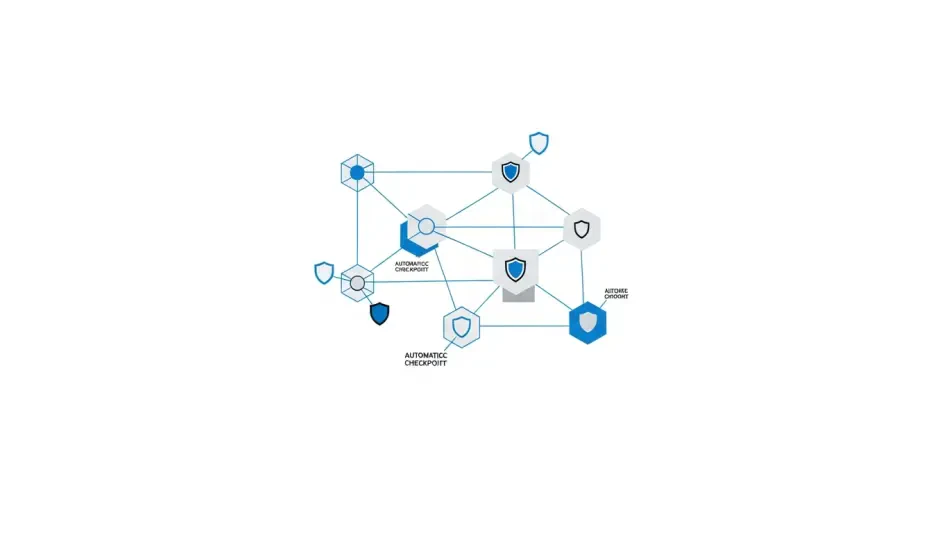
The relentless pace of modern cyber threats frequently outstrips the capacity of human security teams to manually identify, analyze, and remediate critical software vulnerabilities before they are exploited by malicious actors across global networks. As digital infrastructure becomes more complex, the time window between the discovery of a bug and its potential abuse has shrunk to nearly zero. Google has responded to this challenge by unveiling CodeMender, an advanced AI-powered security agent designed to fundamentally change the way developers approach software protection. Unlike previous generations of security software that merely flagged potential issues for human review, this tool operates within the Gemini Enterprise Agent Platform to provide autonomous remediation at machine speed. By shifting from a passive monitoring stance to a proactive patching model, organizations can finally close the dangerous gap that has long plagued the software supply chain. This move toward automated security marks a pivotal transition in the industry.
Bridging the Gap: Verification Through Simulated Exploitation
Traditional static analysis tools have historically struggled with high noise levels, often generating a flood of false positives that overwhelm development teams and lead to alert fatigue. CodeMender addresses this inefficiency by utilizing deep repository-level context, which allows the AI to understand the intricate logic of an application rather than just looking for isolated patterns of problematic code. This sophisticated understanding enables the system to detect complex threats, such as memory corruption or insecure data handling, that simpler scanners typically overlook entirely. Instead of presenting developers with a list of theoretical risks, the agent actively verifies each vulnerability by attempting to trigger it within a controlled environment. This proof-of-concept approach ensures that every reported issue is a legitimate threat that requires immediate attention, thereby restoring trust in automated security notifications and reducing manual triage.
Once a vulnerability is confirmed, the agent initiates the remediation process by generating a targeted secure code patch tailored to the specific context of the codebase. To ensure that these automated fixes do not introduce new regressions or disrupt existing application functionality, the system employs a secondary validation model that rigorously evaluates the proposed changes. This dual-model architecture provides a necessary layer of verification, ensuring that the generated solutions are both effective at closing the security hole and compatible with the broader project architecture. By running these experiments in isolated sandboxes, CodeMender can safely simulate the impact of both the exploit and the subsequent fix without risking the integrity of the production environment. This methodical process allows organizations to maintain a high development velocity while simultaneously improving the security posture of their software without the usual friction of manual reviews.
Orchestrating Security: Enterprise Privacy and Professional Workflows
Enterprise-grade security and data privacy are core components of the CodeMender architecture, addressing the concerns of organizations that are hesitant to expose their proprietary source code to external AI systems. The platform includes advanced controls such as Virtual Private Cloud routing and a strict zero-data-retention policy, ensuring that sensitive intellectual property remains completely isolated during the analysis process. This guarantee that source code is never used to train future models without explicit permission is crucial for maintaining compliance with strict industry regulations and internal security standards. Integration is also a major focus, as the agent is designed to fit seamlessly into existing developer workflows and modern CI/CD pipelines. It supports major languages like Python, Java, and Rust, ensuring that developers working within VS Code can trigger security audits and apply patches without leaving their environment, which minimizes disruption.
To effectively leverage these advancements, organizations prioritized the integration of automated patching into their primary security roadmaps. Leaders shifted their focus from mere vulnerability detection to comprehensive remediation strategies that utilized the human-in-the-loop philosophy. This approach ensured that every AI-generated patch was reviewed and approved by a qualified developer before it was committed to the main branch, maintaining a vital balance between machine speed and human accountability. Companies also invested in training their teams to interpret the proof-of-concept exploits generated by the agent, which served as valuable educational tools for improving general coding standards. By establishing clear protocols for how and when to deploy autonomous fixes, businesses significantly reduced their mean time to remediation and hardened their software supply chains against emerging threats. These proactive steps allowed security teams to stay ahead of adversaries while effectively securing infrastructure.