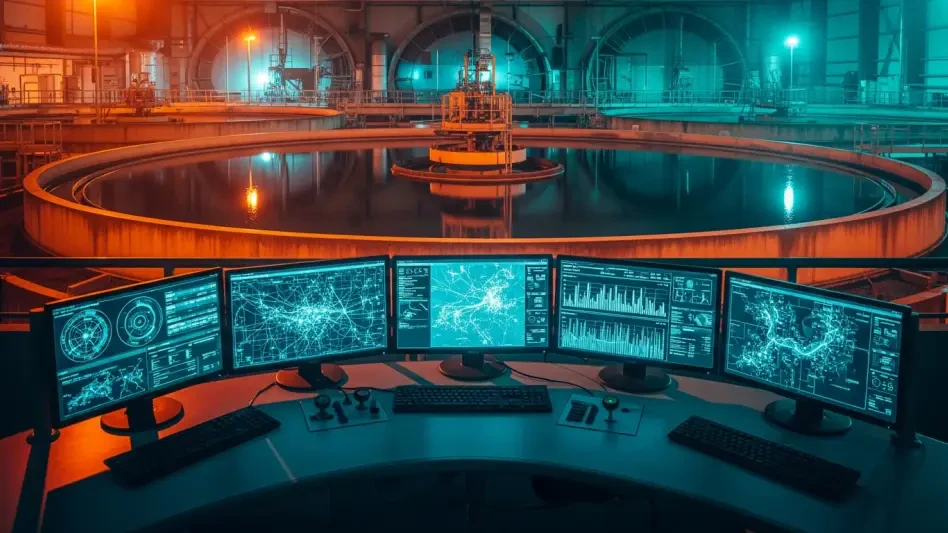
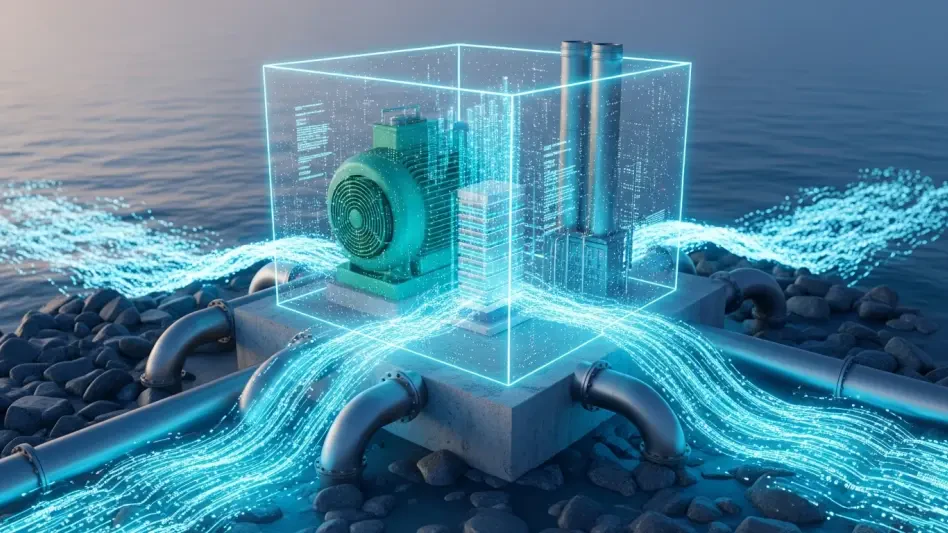
A quiet evolution in the way New York manages its most basic necessity has turned the standard kitchen faucet into a digital gateway that requires constant, high-level protection from invisible threats. While the physical integrity of dams and reservoirs remains a priority, the modern landscape of public utility management has shifted toward the ethereal realm of code and connectivity. In this new environment, a technician’s laptop carries as much weight as a heavy-duty wrench, and the security of a community’s drinking water now depends on the strength of a firewall rather than just the thickness of a concrete wall.
This transition toward automated controls and remote monitoring has inadvertently opened a digital door to global adversaries who view essential services as soft targets for disruption. The state’s recent policy shift acknowledges that the era of “analog safety” has passed, replaced by a reality where a single unpatched server could theoretically compromise the health of thousands. By treating water security as a matter of national defense rather than just a local plumbing concern, New York is setting a precedent for how aging infrastructure can be modernized without sacrificing safety to the convenience of the internet.
The Invisible Battle for Our Most Vital Resource
Behind every drop of water that flows through a New York home lies a complex, interconnected digital network that most residents never see, yet these systems are increasingly finding themselves in the crosshairs of sophisticated cyber adversaries. A breach of a physical reservoir might seem like a plot point from a dramatic film, but the reality of a keyboard-driven attack on a local water plant is a clear and present danger that could paralyze a city without a single intruder stepping foot on the property. These threats are no longer hypothetical; they represent a persistent effort by bad actors to exploit the very systems that sustain life and industry across the state.
As the digital footprint of utility providers expands, the risk of a “zero-day” exploit or a ransomware attack becomes a constant shadow over daily operations. The complexity of these networks means that even a small, rural water district is now part of a global web of information technology, making it a potential entry point for hackers seeking to cause chaos. This shift has forced a fundamental change in perspective, where the reliability of the water supply is now measured by the integrity of the data stream and the resilience of the software governing the pumps and chemical feeds.
Bridging the Gap: Physical Safety and Digital Integrity
For decades, infrastructure maintenance focused almost exclusively on patching physical pipes and upgrading mechanical pumps, but the rapid digitization of utility management has introduced a new, volatile vulnerability known as the expanded attack surface. As New York’s water systems move toward remote monitoring and automated controls, they become increasingly susceptible to actors capable of disrupting service delivery or contaminating supplies from thousands of miles away. The state’s new initiative recognizes that in the modern era, public health is inextricably linked to cybersecurity, necessitating a transition from reactive repairs to a proactive, intelligence-driven defense of critical assets.
This integration of digital and physical worlds means that a security flaw in a remote sensor is just as dangerous as a crack in a main water line. The challenge lies in the fact that many utility operators were trained in mechanical engineering rather than computer science, creating a knowledge gap that adversaries are eager to exploit. By prioritizing digital integrity alongside structural maintenance, the state is ensuring that the technological advancements intended to make water delivery more efficient do not also make it more fragile.
The SECURE Framework: Financial Support and Technical Hardening
To transform these systemic vulnerabilities into strengths, New York has introduced the Strengthening Essential Cybersecurity for Utilities and Resiliency Enhancements (SECURE) program, a multi-faceted approach to modernizing utility defenses. This initiative recognizes that the primary obstacle to better security is often not a lack of will, but a lack of resources, particularly for smaller municipalities operating on tight budgets. By providing a structured path toward digital maturity, the state is helping local operators build a “defense-in-depth” strategy that protects both information technology and the operational technology that controls physical machinery.
Managed by the Environmental Facilities Corporation, the financial side of this initiative removes the barriers that often prevent small towns from upgrading their aging digital infrastructure. The program offers a two-tier funding structure: $50,000 grants dedicated to comprehensive risk assessments and $100,000 grants for the actual implementation of hardware and software upgrades. This ensures that utilities can identify latent threats in their environments before investing in modern solutions, allowing for a strategic allocation of capital that addresses the most critical weaknesses first.
Beyond just providing funds, the state has launched a dedicated online cybersecurity hub to serve as a one-stop resource for operators who may feel overwhelmed by the technical demands of modern security. This platform provides access to Community Assistance Teams who offer free consultations on complex protocols, helping local utilities navigate essential tasks such as strengthening access controls and updating legacy systems. These teams bridge the gap between high-level policy and practical application, ensuring that even the smallest water board has access to elite-level technical expertise.
Expert Perspectives: The Evolving Threat Landscape
State security officials, including the Director of Security and Intelligence, emphasize that common weaknesses like default passwords and unpatched software are no longer just technical oversights—they are open invitations for sophisticated state-sponsored actors. By adopting nation-leading standards previously reserved for the financial and healthcare sectors, New York is signaling that water security is a core pillar of public safety. This holistic coordination across agencies ensures that the state’s response is unified, drawing on the best intelligence available to protect local communities from emerging threats.
Security experts note that the goal is to create a culture of “constant vigilance” where security is baked into every operational decision. The transition involves moving away from the “set it and forget it” mentality that characterized many early digital adoptions in the utility sector. Instead, operators are encouraged to view their networks as living organisms that require regular check-ups, updates, and monitoring to remain healthy. This shift in mindset is crucial for staying ahead of adversaries who are constantly refining their tactics to bypass traditional defenses.
Practical Strategies: Local Utility Resilience
For local water and wastewater operators, the path to a more secure system involves a series of specific, actionable steps designed to harden their digital perimeter and ensure continuity of service. The first step in any successful strategy was to identify every device connected to the network, from remote sensors to office computers. Utilities had to evaluate the age and patch status of each component, prioritizing the replacement of legacy technologies that no longer received security updates and were therefore easy targets for exploitation.
Operators also moved away from shared credentials and toward individualized access controls to minimize the risk of internal error. By implementing multi-factor authentication and limiting administrative privileges to only those who absolutely needed them, utilities significantly reduced the potential for a stolen password to lead to a catastrophic breach. These measures were complemented by the development of clear incident response plans, which were regularly tested through tabletop exercises to ensure that the human element of the infrastructure was ready to respond effectively when a real threat emerged.
The long-term success of this initiative will depend on the continued integration of emerging technologies like artificial intelligence for threat detection and the expansion of the SECURE grant program to cover evolving digital risks. Future considerations should include a state-wide standardization of “secure-by-design” procurement policies, ensuring that any new equipment added to the water grid meets rigorous security benchmarks before it is ever installed. By fostering a collaborative environment where information about threats is shared in real-time between the state and local operators, New York moved to create a resilient, self-healing infrastructure that can withstand the complexities of the modern digital age.