The sudden realization that a nation’s emergency warning system has been hijacked creates a visceral sense of vulnerability that traditional cyberattacks on databases or banking systems simply cannot match. When the digital “off” switch for an air-raid siren falls into the hands of an adversary, the boundary between the virtual world and physical reality dissolves, leaving a civilian population caught in a terrifying state of uncertainty. This new frontier of conflict, characterized by the subversion of the very tools designed to preserve life, represents a calculated evolution in how state-sponsored groups exert influence and spread panic across borders.
In recent months, investigations into groups like CyberAv3ngers have revealed a disturbing trend toward what experts call “cyber-psychological operations.” These are not merely attempts to break things, but rather sophisticated efforts to break the public spirit by manipulating the sensory environment of an entire city. By targeting the communication layer of critical alerting infrastructure, these actors aim to turn the infrastructure of safety into an instrument of cognitive warfare, proving that the most effective weapon in modern combat might not be a missile, but the silence that precedes it.
The Auditory Frontline of Contemporary Conflict
The terrifying potential of “silent sirens” during active missile strikes represents a paradigm shift in how digital disruption impacts civilian safety. For decades, the public has been conditioned to trust the wail of an alarm as the definitive signal to seek shelter, but when that signal is suppressed, the delay in response can lead to catastrophic loss of life. CyberAv3ngers has effectively shifted its focus from simple website defacements to a direct assault on the public’s sense of security, recognizing that the emotional fallout of a compromised siren is far more potent than the temporary loss of a web server. This transition underscores a chilling reality: in contemporary warfare, the digital systems managing human life are now high-priority targets.
Furthermore, the psychological weight of subverting emergency systems designed to protect lives during kinetic warfare cannot be overstated. It creates a vacuum of information where rumors and misinformation thrive, as individuals can no longer verify the severity of a threat through official channels. Why a single unverified video of silenced alarms can cause more chaos than a traditional network outage lies in the inherent trust we place in public safety hardware. When that trust is weaponized, the resulting anxiety permeates every aspect of daily life, making the civilian population more susceptible to the broader strategic goals of the aggressor.
From Espionage to Cognitive Manipulation
Tracing the decade-long evolution of Iranian cyber doctrine reveals a clear trajectory from clandestine data theft toward blatant sensory sabotage. In the early stages, groups such as APT33 were primarily associated with long-term espionage and the exfiltration of sensitive defense data, operating largely in the shadows. However, the regional escalations that began in 2023 acted as a major catalyst for a new brand of operations that prioritize immediate physical-world impacts. This shift reflects a maturing strategy where the goal is to demonstrate power through the visible and audible manipulation of the adversary’s domestic environment.
Understanding the strategic alliance between the Islamic Revolutionary Guard Corps (IRGC) and the Ministry of Intelligence (MOIS) is crucial for deciphering this trend. Together, these entities work to project a false sense of domestic reach, convincing the target population that their presence is far deeper and more invasive than it truly is. By moving beyond the era of exfiltration and into the age of “cyber-physical” influence operations, they have effectively turned the internet into a megaphone for psychological terror. This doctrine focuses on the theatre of cyberwar, where the appearance of control is often just as effective as control itself.
Exploiting the Weak Links in Emergency Infrastructure
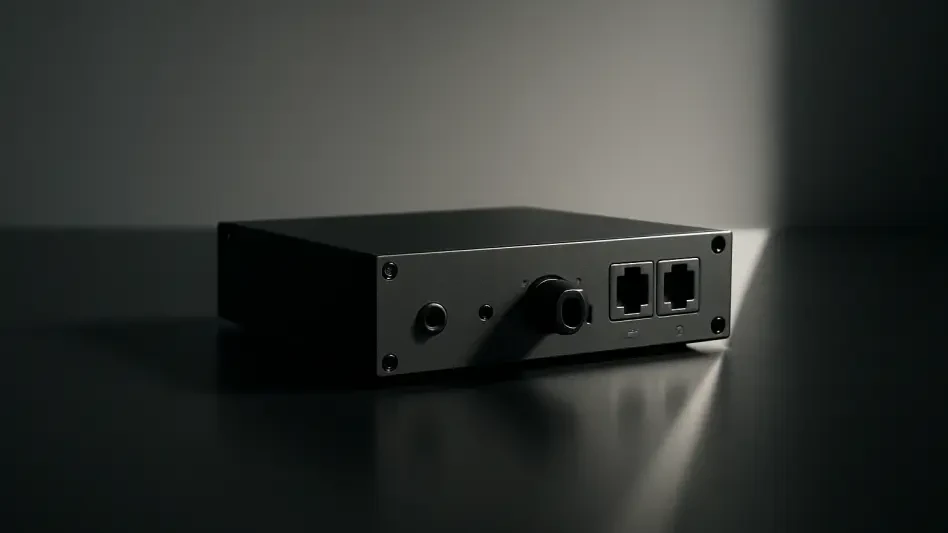
The technical vulnerability of Swiss-made Barix hardware has become a focal point for these operations, largely due to its widespread use in global audio-over-IP networks. These devices are the workhorses of public address systems, radio stations, and industrial alert networks, making them an ideal target for those looking to compromise the “last mile” of emergency communication. A technical breakdown of CVE-2024-41700 reveals how information exposure in the SIP client firmware can provide an attacker with the keys to the kingdom. By harvesting sensitive internal data, hackers can map out the network and identify the most critical nodes for a potential takeover.
The step-by-step exploitation chain is a masterclass in modern digital intrusion, moving from initial root access to high-priority RTP stream overrides. Once an attacker has gained a foothold, they can inject their own audio streams, effectively silencing legitimate warnings or replacing them with propaganda and false instructions. Analyzing the parallels between the tactics used by CyberAv3ngers and those of the MOIS-linked Handala group reveals a shared playbook of retaliatory campaigns. This coordinated approach is further complicated by the persistent danger of legacy protocols like LonTalk, which remain embedded in modern building management and automation systems despite their lack of modern security features.
The Erosion of Public Trust Through Technical Sabotage
Insights from Claroty’s Team82 highlight how threat actors are repurposing routine broadcast hardware into tools for strategic influence. This is not a theoretical threat; it has had real-world echoes in the United States, where the FCC has reported instances of hijacked emergency tones in radio stations across Texas and Virginia. These incidents demonstrate that the vulnerabilities exploited in the Middle East are present in infrastructure worldwide. When these technical failures occur, they do more than just silence a broadcast; they begin the slow erosion of the public’s faith in the government’s ability to protect its citizens from harm.
Moreover, the coordination of cyber intrusions with military activity amplifies civilian confusion and weakens faith in official defensive measures. If a cyberattack can convince a population that their defenses are failing at the exact moment a missile is launched, the psychological victory is complete. The deployment of custom frameworks like IOCONTROL to target Linux-based SCADA and operational technology environments shows a high degree of technical sophistication. These tools are designed to persist in industrial settings, ensuring that the attacker can strike at the most vulnerable moment, maximizing both the physical risk and the mental toll on the population.
Fortifying Civil Defense Against Evolving Cyber Threats
Addressing the critical manual update gap was the first step in defending against these evolving threats, as many pieces of legacy infrastructure remained exposed to known vulnerabilities simply because they were difficult to patch. Administrators prioritized the identification of internet-exposed Barix endpoints and implemented strict firewall configurations to shield these devices from unauthorized external access. By closing the loop on unpatched firmware, organizations successfully reduced the likelihood of threat actors gaining the initial foothold necessary for high-priority stream overrides. This shift required a fundamental change in how operational technology was maintained, moving away from the “set it and forget it” mentality of the past.
In addition to technical patches, the implementation of robust authentication controls and the monitoring of audio streams for response anomalies became standard practice for civil defense agencies. Securing aging IoT protocols involved moving away from the assumption of inherent security within isolated networks, instead treating every device as a potential entry point in a zero-trust architecture. These proactive steps significantly enhanced the visibility of cyber-physical systems, ensuring that public safety infrastructure remained a reliable safeguard rather than a weaponized tool for psychological warfare. Defensive teams were able to identify unauthorized RTP stream overrides before they could be used to cause widespread panic, ultimately reinforcing the technical integrity of the systems that protect the modern world.