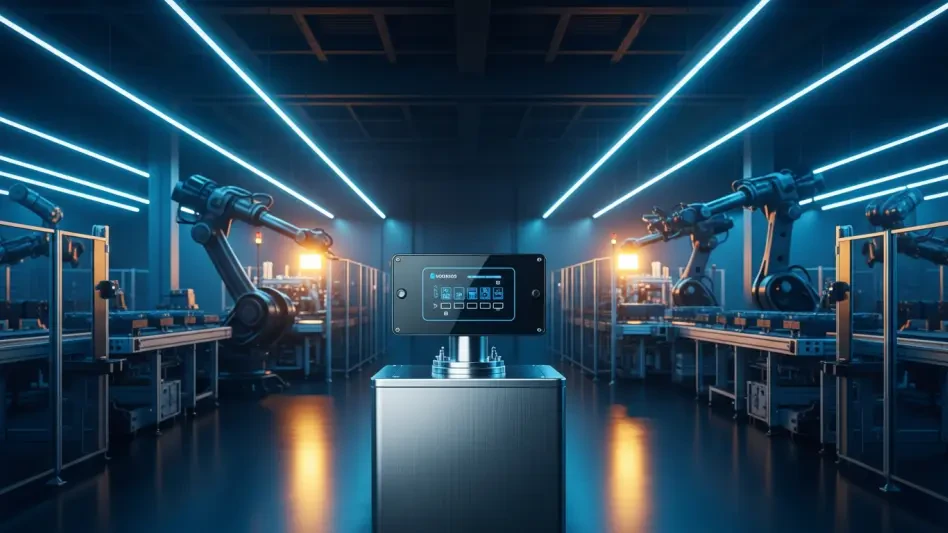
The rapid proliferation of interconnected industrial devices across global supply chains has created a massive surface area for sophisticated cyberattacks that threaten the operational integrity of critical infrastructure. As regulatory frameworks like the European Union’s Cyber Resilience Act and the United States’ Executive Order on Improving the Nation’s Cybersecurity become more stringent, manufacturers face immense pressure to demonstrate robust defensive measures. Security is no longer an optional feature but a core architectural requirement that spans the entire lifecycle of an embedded system. Organizations must navigate a complex landscape of hardware vulnerabilities and software exploits that can lead to significant financial loss or physical danger. By integrating advanced hardware platforms with sophisticated software management ecosystems, companies can establish a foundation that satisfies global compliance mandates while ensuring continuous operational uptime at the edge.
Security Compliance: Strengthening the Software Supply Chain
Maintaining a transparent view of the software supply chain has emerged as a fundamental pillar of modern cybersecurity compliance for industrial equipment manufacturers. The Cyber Resilience Act requires detailed documentation of every software component, including open-source libraries and third-party drivers, to facilitate rapid vulnerability assessment and remediation. Avalue leverages the Torizon platform to generate comprehensive Software Bill of Materials reports that offer granular visibility into the operating system and application layers. This systematic approach allows developers to identify exactly which version of a library is running on a fleet of devices, reducing the time required to respond to newly discovered security flaws. By automating the creation and management of these digital manifests, enterprises can maintain a continuous state of audit readiness. This level of transparency is essential for building trust with end users in sensitive sectors.
Remote Maintenance: Implementing Secure Deployment Protocols
The ability to deploy security patches remotely without physical intervention is a non-negotiable requirement for maintaining global security standards in the current industrial landscape. Torizon provides a robust Over-the-Air update mechanism that utilizes cryptographically signed packages to ensure that only authorized software can be installed on the hardware. This prevents man-in-the-middle attacks where an adversary might attempt to inject malicious code during the transmission process. Avalue systems are engineered to support these secure update cycles, providing the necessary processing power and storage reliability to handle frequent firmware refreshes. The system employs a dual-bank update strategy, where the new software is written to a secondary partition while the primary system remains operational. This ensures that the device stays online during the download and verification stages, minimizing downtime in critical production environments and factories.
Operational Resilience: Establishing Hardware Root of Trust
Establishing a hardware root of trust provided the final layer of defense by ensuring that the software running on an industrial computer was not tampered with by unauthorized entities. Avalue incorporated dedicated security chips, such as Trusted Platform Modules version 2.0, into its industrial gateways to provide a secure foundation for cryptographic operations. These modules worked in conjunction with the Torizon platform’s secure boot process, which verified the digital signature of the bootloader before initialization. This chain of trust ensured that the device only executed vetted code, effectively blocking low-level persistent threats. Organizations that adopted these integrated solutions achieved higher levels of operational resilience and successfully met international certifications. For future deployments, stakeholders should prioritize the automation of incident response protocols. Implementing these multi-layered strategies proved to be the most effective way to secure the industrial edge.