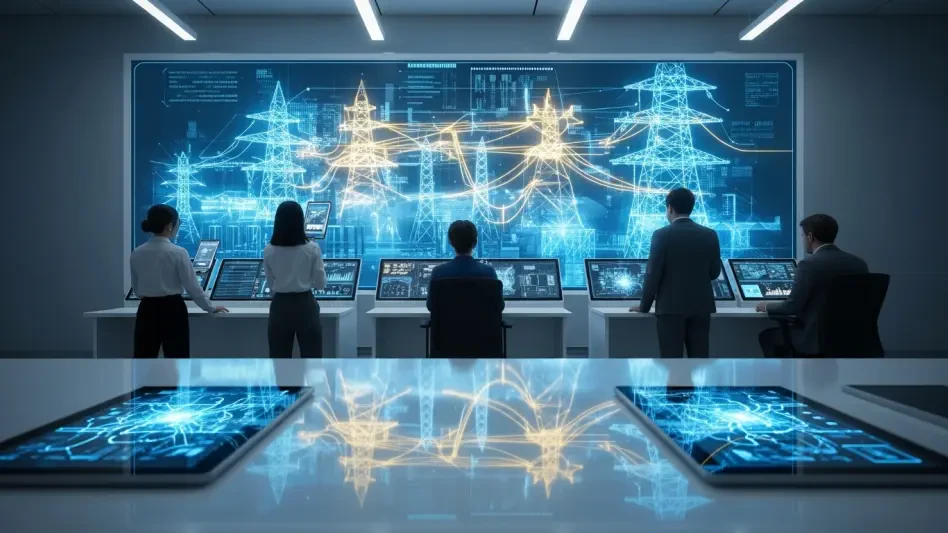
The global power grid is no longer a collection of isolated mechanical switches and copper wires but a hyper-connected digital organism that breathes data in real time. This evolution from centralized mechanical systems to decentralized digital ecosystems has fundamentally altered the security landscape for utilities. Traditional security perimeters, once defined by physical fences and air-gapped networks, are proving inadequate against modern, sophisticated threats that exploit the very connectivity that makes the modern grid efficient. Relying on an isolated defense strategy is a relic of a bygone era, as the surface area for potential attacks expands exponentially with every smart meter and connected sensor added to the network.
Moving beyond a “compliance-first” mindset is now a necessity rather than a suggestion for the energy sector. While regulatory frameworks provide a baseline for safety, they often lag behind the rapid pace of cyber-adversaries who iterate their tactics in days, not years. A transition to a “threat-informed” reality allows utilities to prioritize defenses based on actual observed actor behavior rather than checking boxes on a static list. This shift is central to the “Shared Fate” model, a philosophy where utilities and technology providers recognize that their security postures are inextricably linked. If the cloud infrastructure fails, the grid suffers; if the grid falters, the digital economy grinds to a halt.
The End of Solo Defense in the Age of Digital Power
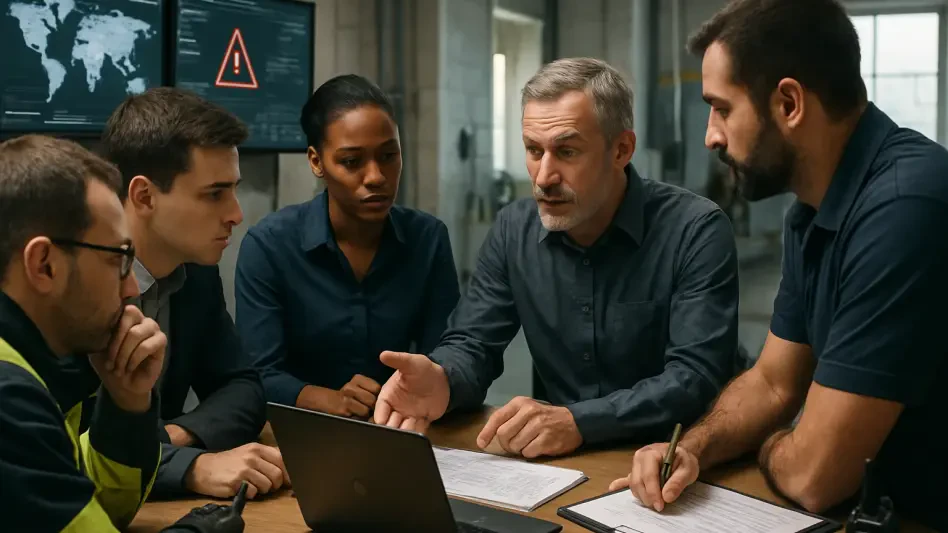
The modern utility sector is witnessing the sunset of the lone-wolf approach to security as the complexity of the grid outpaces the capacity of any single organization to defend it. As power generation shifts toward a mix of centralized plants and millions of distributed residential solar and battery systems, the network has become a massive, interconnected software project. This digital transformation means that a vulnerability in a single consumer application could theoretically provide a gateway to critical transmission controls. Consequently, the industry is moving toward a model where collective intelligence and shared visibility are the primary deterrents against large-scale disruption.
The transition to this collaborative framework requires a fundamental cultural shift within utility boardrooms. Instead of viewing security as a proprietary secret, companies are beginning to see the value in a unified defense posture that shares anonymized threat data across the entire ecosystem. This approach recognizes that a threat to one utility is a threat to all, and by pooling resources with cloud providers, energy companies can benefit from a scale of protection that was previously unaffordable. This “Shared Fate” philosophy transforms the relationship between vendor and client into a strategic alliance focused on the survival of the critical infrastructure.
Navigating the Perfect Storm of Grid Vulnerabilities
The energy sector is currently navigating a perfect storm where skyrocketing demand for electricity meets a rapid expansion of data centers and digital services. As society electrifies everything from transportation to heating, the pressure on the existing infrastructure reaches critical levels. This demand surge is further complicated by the proliferation of distributed renewable energy assets, which introduce thousands of new, often poorly secured, entry points into the grid. Managing these disparate sources requires a level of digital orchestration that legacy systems were never designed to handle, creating a friction point between innovation and safety.
A hidden danger lies in the connection of decades-old legacy hardware to the modern web. Many transformers and circuit breakers still in operation today were built long before the concept of a cyberattack existed, yet they are now being retrofitted with communication modules to enable remote monitoring. This marriage of the old and the new creates vulnerabilities that adversaries are eager to exploit. Furthermore, an AI arms race is currently unfolding, where malicious actors use automation to weaponize malware and craft highly convincing social engineering campaigns. These automated attacks can overwhelm human operators, making traditional manual response protocols obsolete.
Lessons from the Frontlines: Real-World Impacts and Strategic Responses
Examining the frontlines of hybrid warfare reveals the true stakes of grid security, as seen in the targeted attacks by the Sandworm group. These adversaries have demonstrated the ability to cross the threshold from the digital realm to physical destruction by hijacking control tools within power substations. By coordinating cyber-intrusions with physical kinetic actions and then deploying specialized malware to erase forensic evidence, they attempt to leave utility operators blind to the source and extent of the tampering. This level of sophistication necessitates a move from basic forensics to proactive prevention, ensuring that every anomaly is caught before it translates into a blackout.
To counter these threats, the role of the security engineer is undergoing a radical transformation from manual data analysis to the orchestration of AI agents. Instead of sifting through millions of log entries, engineers now oversee autonomous systems that can reverse-engineer malware in seconds. This shift supports the creation of a “Digital Immune System,” a concept where the grid itself anticipates infections rather than simply reacting to them. By building resilience into the architecture, the infrastructure can maintain core functions even while under active assault, effectively neutralizing the impact of an intrusion before it spreads through the network.
Integrating Google’s Security Ecosystem into Energy Infrastructure
Integrating advanced security ecosystems into energy infrastructure involves leveraging deep visibility into threat actor movements. Google Threat Intelligence and Mandiant provide the frontline insights necessary to predict where an adversary might strike next, turning reactive defense into a strategic advantage. By utilizing integrated SIEM and SOAR platforms, utility providers can streamline the detection of incidents, reducing the time from discovery to mitigation from hours to milliseconds. This integration ensures that security operations are not just fast, but also highly accurate, minimizing the risk of false positives that could disrupt service.
Applying Site Reliability Engineering (SRE) principles to the energy sector brings a disciplined, fact-based approach to high-stakes physical environments. SRE focuses on ensuring that systems are not only operational but also resilient and scalable, prioritizing safety and reliability above all else. This methodology, combined with cloud-native resilience, allows energy companies to protect their physical assets with the same level of rigor used to secure global data networks. The result is a robust framework where digital and physical safety are treated as two sides of the same coin, ensuring continuous power delivery in an increasingly volatile world.
A Framework for Collective Resilience and Division of Labor
Achieving collective resilience required a clear division of labor based on core competencies. Energy companies prioritized their expertise in physical transmission, generation, and the complex physics of the power grid. Their focus remained on hardening the physical infrastructure and expanding the capacity needed to power a digital society. In contrast, the technology provider’s responsibility was to deliver secure-by-design infrastructure and the AI-driven tools necessary to defend it. This partnership ensured that each entity focused on what it did best, creating a more formidable defense than either could have achieved alone.
Transitioning from human-dependent protocols to “human-in-the-loop” AI augmentation was the final step in building a self-healing grid. This involved integrating advanced modeling and monitoring platforms that simulated thousands of threat scenarios and automatically adjusted grid parameters to maintain stability. Practical steps toward this future included the adoption of automated patch management and the deployment of sensors that provided real-time visibility into every corner of the network. By empowering human operators with AI-driven insights, the energy sector moved toward a state of constant readiness, ensuring the lights stayed on regardless of the digital storms brewing on the horizon.