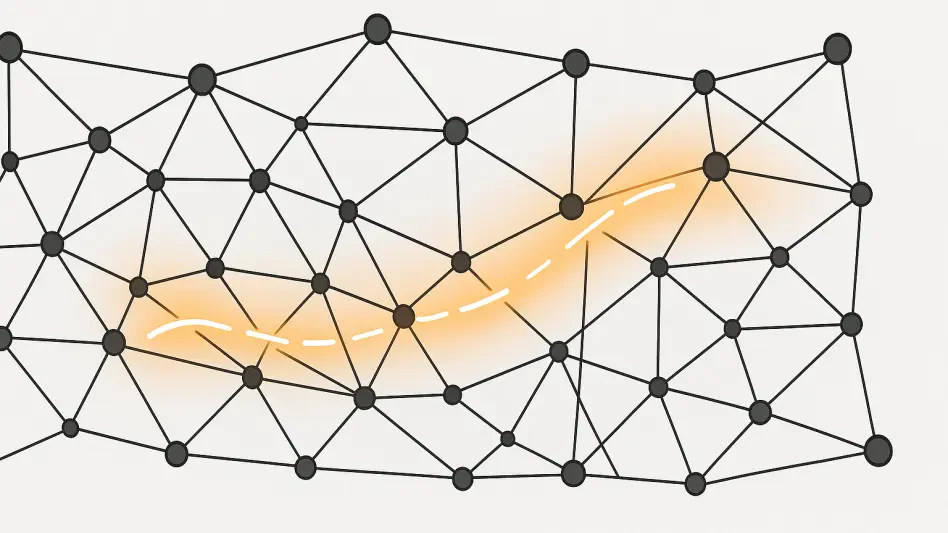

The velocity at which digital adversaries transition from discovering a flaw to launching a full-scale attack has surpassed the human capacity for manual verification and traditional patching cycles. This acceleration has birthed the exploitability gap, a dangerous window of time between the moment a vulnerability is weaponized by threat actors and the moment it is officially cataloged and scored by security authorities. In the current landscape, relying on reactive measures often means that a patch is applied long after the perimeter has been breached. This guide provides a strategic roadmap for security leaders to move beyond waiting for confirmation and instead adopt an evidence-based approach to risk remediation.
Navigating this environment requires understanding that the window for response has shrunk from weeks to mere hours. Modern hackers utilize sophisticated automation to scan for and exploit newly discovered flaws almost as soon as they are announced. Consequently, a defensive strategy that waits for official documentation is fundamentally flawed because it grants attackers the ultimate advantage. Transitioning to a proactive stance is the only viable method to protect critical infrastructure from machine-speed threats that thrive in the silence of administrative delays.
Why Traditional Security Frameworks Fall Behind Today’s Threat Actors
Current security models frequently rely on downstream signals, such as the Known Exploited Vulnerabilities catalog or the Exploit Prediction Scoring System, to trigger remediation actions. While these resources offer high-confidence data, they inherently function as historical records of what has already happened rather than early warning systems for what is about to occur. By the time a vulnerability appears on a public list, the exploitation phase is usually well underway, leaving an organization exposed during the most critical hours of the threat lifecycle.
Moreover, the structural delay built into these confirmation-based models favors the attacker’s agility over the defender’s caution. Organizations often find themselves trapped in a cycle of reactive patching where the goal is to check off a list of known issues rather than identifying emerging risks. This dependency creates a false sense of security, as many exploited vulnerabilities never reach these official catalogs until weeks after the initial damage is done. Moving toward an agile, evidence-based model is necessary to break this cycle and reclaim the initiative.
A Five-Step Framework for Proactive Risk Remediation
Step 1: Transitioning from Confirmation-Ready to Decision-Ready Status
To close the gap, a security team must learn to act when a risk is decision-ready rather than waiting for it to be confirmation-ready. This involves identifying specific indicators that suggest a vulnerability is likely to be exploited even if it has not yet been documented in a national database. The focus shifts from looking for a definitive proof of attack to evaluating the credibility of early signals within the context of the organizational environment.
Shifting Mindsets to Prioritize Early Risk Evidence Over Official Lists
Cultural change is the first hurdle in this transition, as teams must become comfortable acting on high-probability indicators. Rather than viewing an uncataloged vulnerability as a non-issue, it should be treated as a latent threat that requires immediate assessment. Prioritizing early evidence allows a department to deploy mitigations before a widespread campaign begins, effectively narrowing the window of opportunity for an adversary to gain a foothold.
Step 2: Monitoring Public Proof-of-Concept Code and Weaponization
The release of a public Proof-of-Concept code acts as a high-confidence signal that exploitation is either imminent or already occurring. When an exploit script is published on a repository or integrated into a common hacking framework, the barrier to entry for lower-skilled attackers vanishes. Monitoring these developments provides a clear look at the technical feasibility of an attack and serves as an early warning that the vulnerability is no longer theoretical.
Treating Public Exploit Code as a Mandate for Immediate Patching
Once exploit code is available in the public domain, the risk level should be elevated to the highest priority regardless of whether a vendor has issued an official alert. This signal indicates that the weaponization phase is complete, and the time for debating the theoretical impact has ended. Organizations that treat these moments as a mandate for immediate action find they can mitigate threats well before they appear in common security scanners or regulatory lists.
Step 3: Establishing Consistent Internal Response Thresholds
Consistency and speed are achieved by removing the guesswork from the response process through pre-defined rules. These thresholds dictate exactly which signals, such as a specific severity level combined with the existence of a public exploit, will trigger an emergency remediation workflow. By establishing these rules in advance, an organization can bypass the bureaucratic delays that often stall critical patching during a crisis.
Creating Automated Workflows for Rapid Escalation and Remediation
Automation should be used to bridge the gap between detection and action, ensuring that once a threshold is met, the right teams are alerted immediately. These workflows can automatically open tickets, notify asset owners, and even initiate pre-approved isolation protocols if necessary. Removing human hesitation from the initial response stages ensures that the remediation process begins as soon as the evidence justifies the intervention.
Step 4: Layering Threat Intelligence with Business Environment Context
Effective risk management requires a synthesis of external threat data and internal business intelligence. Not every vulnerability poses an equal threat; a minor flaw on a public-facing server might be more dangerous than a critical flaw on an isolated, non-critical machine. By layering external intelligence with a deep understanding of internal asset criticality, security teams can focus their limited resources on the areas that could cause the most significant business impact.
Prioritizing Crown Jewel Assets to Prevent Existential Business Impact
Focusing on crown jewel assets ensures that the most vital parts of the business remain protected even when the overall volume of vulnerabilities is high. This targeted approach prevents the security team from being overwhelmed by a sea of alerts and ensures that remediation efforts are concentrated where they are most needed. Protecting the core functions of the organization first minimizes the risk of a catastrophic failure that could threaten the viability of the entire enterprise.
Step 5: Implementing Automated Signal Aggregation and Analysis
Defenders must utilize automation and data analysis tools to match the speed at which modern attackers operate. Collecting and synthesizing data from disparate sources—such as research papers, social media, code repositories, and vendor alerts—manually is an impossible task for a human team. Implementing a system that aggregates these signals in real-time allows for a more holistic view of the threat landscape and provides the necessary speed to counter automated attack tools.
Eliminating Manual Data Bottlenecks to Match Attacker Velocity
By eliminating manual bottlenecks, a security program can transition from a state of constant catch-up to a proactive, forward-looking stance. Technology should be used to filter out noise and highlight only the most relevant signals that meet the decision-ready criteria established in earlier steps. This allows human analysts to spend their time on complex problem-solving and strategic oversight rather than tedious data entry and manual cross-referencing.
Essential Takeaways for Effective Modern Vulnerability Management
- Move Upstream: Do not wait for CISA KEV or EPSS scores to reach a specific threshold if credible evidence of exploitation exists.
- Prioritize Proofs-of-Concept: Treat the public release of exploit code as a critical signal that the exploitation window has opened.
- Define Clear Policies: Use pre-set action thresholds to ensure the organization reacts with speed and consistency.
- Integrate Context: Always balance technical severity with the business value of the affected asset.
- Leverage Automation: Use technology to gather and synthesize disparate signals in real-time.
Adapting Security Strategies to the Future of Machine-Speed Cyber Warfare
As technology continues to shrink exploitation timelines, the gap between a flaw’s discovery and its abuse will only become more compressed. The strategies outlined here are quickly becoming the industry standard for organizations that wish to remain resilient against increasingly sophisticated adversaries. This trend toward exploitation-informed defense highlights a shift in the role of security teams from mere administrators of patches to active hunters of risk and facilitators of rapid organizational response.
Companies that fail to modernize their workflows and continue to rely on manual, confirmation-based processes will find themselves increasingly unable to manage the sheer volume and speed of N-day threats. The shift toward automated signal detection and evidence-based decision-making is not just an optimization but a fundamental requirement for survival in a digital ecosystem where attackers use the same tools to find flaws. Adapting now prepares the organization for a future where agility is the primary measure of defensive success.
Building a Resilient Defense by Closing the Remediation Gap
Closing the exploitability gap was ultimately achieved by acknowledging that traditional timelines were no longer sufficient. By prioritizing early indicators over official confirmation and integrating business context with external intelligence, the security apparatus successfully reclaimed the initiative. This proactive model transformed vulnerability management from a reactive chore into a strategic advantage that focused resources on high-impact threats before they could be fully realized by attackers.
Moving forward, the focus shifted toward continuous improvement of the automated aggregation systems and the refinement of response thresholds. Security professionals adopted a more holistic view of the threat landscape, treating every piece of early evidence as a potential turning point in the defense cycle. By implementing these layered strategies, organizations established a robust and resilient framework capable of weathering the challenges of an accelerated cyber warfare environment and ensuring long-term operational stability.