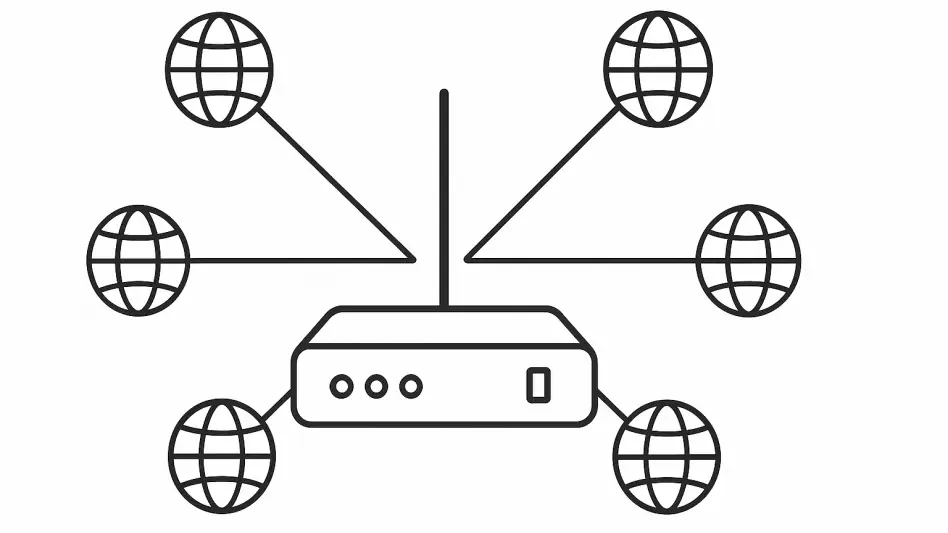

The emergence of the TuxBot v3 framework signifies a pivotal moment in the evolution of cyber threats targeting the vast ecosystem of Linux-based Internet of Things (IoT) devices. As observed by security researchers, this sophisticated modular threat has been specifically engineered to infiltrate and consolidate a massive network of hijacked hardware, including everything from household routers to complex industrial sensors, for use in large-scale Distributed Denial-of-Service attacks. Its remarkable architectural flexibility allows it to execute on seventeen different processor architectures, a level of versatility that ensures almost any vulnerable Linux system can be assimilated into its ranks regardless of the specific hardware manufacturer or the age of the device. This strategy creates a resilient and expansive botnet capable of causing significant disruption across the global digital infrastructure by leveraging the sheer volume of poorly secured endpoints. The sheer scale of this operation highlights the growing danger posed by botnets that are no longer limited by hardware constraints, making them a universal threat to the integrity of the internet. By focusing on such a wide array of systems, the operators of TuxBot v3 have demonstrated a clear intent to maximize their reach and impact, turning common consumer electronics into powerful tools for digital disruption. This development marks a shift toward more inclusive and adaptable malware designs that can easily navigate the fragmented landscape of the modern connected world.
AI Integration: The Role of Large Language Models in Malware Creation
A defining characteristic of this malware is the heavy integration of artificial intelligence in its creation, which has drastically accelerated the development cycle of its underlying source code. Developers utilized Large Language Models to draft significant portions of the botnet framework, leaving behind distinct markers such as unremoved AI safety warnings and internal reasoning comments that suggest a rapid, automated assembly process. While this approach enabled the creators to build a complex, modular design in a fraction of the time traditionally required, it also underscores a concerning trend where the barrier to entry for developing malicious software is being significantly lowered. The availability of powerful AI tools allows threat actors to generate functional code without needing deep expertise in every target architecture, facilitating the creation of polymorphic or highly adaptable threats. This democratization of cybercrime tools means that defensive teams are now facing an era where the speed of malware evolution can outpace traditional manual analysis and response. The presence of AI-generated content within the binary files serves as a clear indicator of how modern adversaries are leveraging machine learning to optimize their workflows and expand their capabilities.
Despite the speed of development afforded by these advanced tools, the reliance on AI-generated code resulted in several technical deficiencies that suggest a notable lack of human oversight during the final stages of implementation. Analysts discovered critical errors within the framework, such as a fundamentally flawed encryption-key handshake that effectively disabled key functions intended to secure the communication between infected nodes and the command structure. Furthermore, the malware featured a failed implementation of the Argon2id hashing algorithm, which was likely intended to protect internal data or credentials but instead rendered those components non-functional. Additionally, a custom virtual machine meant to execute exploits was found to be incomplete, making it unable to load necessary packages during its initial deployment period and hampering the botnet’s overall effectiveness. These technical oversights highlight the limitations of current AI-driven coding assistants, which can generate syntactically correct code that remains logically or contextually flawed without expert validation. This creates a paradox where the malware is simultaneously more widespread and versatile, yet potentially less stable than hand-crafted predecessors created by veteran developers.
Propagation Techniques: Exploiting Vulnerable IoT Entry Points
TuxBot v3 employs a multi-pronged strategy to infiltrate devices, primarily focusing on easily accessible targets with weak security configurations that remain prevalent in the global market. Its Telnet module is pre-loaded with a library of nearly fifteen hundred username and password combinations, targeting default manufacturer settings that users and administrators frequently fail to change upon deployment. This brute-force method allows the botnet to spread rapidly across the vast landscape of poorly secured consumer and industrial hardware that remains exposed to the public internet without adequate protection. By capitalizing on these basic security lapses, the botnet can quickly grow in size, consuming resources from thousands of devices that were never intended to face direct external threats. The systematic scanning of the internet for these weak points demonstrates a calculated effort to build a massive infrastructure by harvesting the most vulnerable endpoints available. This approach emphasizes that even in 2026, the persistence of default credentials remains one of the most significant risks to IoT security, providing an open door for automated malware frameworks to exploit.
Beyond simple password guessing, the framework utilizes various scanning techniques to identify potential targets across different protocols and communication layers. It probes for open Secure Shell ports and searches for Android-based IoT devices with exposed debug ports via the Android Debug Bridge interface, expanding its reach into mobile and smart home ecosystems. Furthermore, the malware conducts HTTP-based probing to identify specific firmware vulnerabilities, allowing it to bypass security on unpatched or legacy systems through the use of custom exploits tailored to known weaknesses. This multi-vector approach ensures that if one method of entry is blocked, the malware has several alternative pathways to achieve a successful compromise. By scanning for a wide variety of services and vulnerabilities, TuxBot v3 maintains a high success rate in different network environments, from residential neighborhoods to sophisticated industrial facilities. This proactive scanning capability allows the botnet to continuously discover new hosts, ensuring that its population remains stable even as individual devices are taken offline or patched by diligent administrators.
Infrastructure and Dominance: Persistence Mechanisms in Hostile Environments
Once a device is compromised, TuxBot prioritizes maintaining its foothold through several persistence techniques designed to survive reboots or manual cleanup attempts by security software. It disguises its presence by creating system services with names that mimic legitimate processes, making it difficult for casual observers to identify the infection among the standard operations of the host system. The malware also schedules recurring tasks via cron jobs to restart itself at specific intervals, ensuring that any temporary disruption to the malicious process is automatically corrected without manual intervention from the attackers. To ensure total control over the host’s resources, the malware also acts territorially by scanning for and removing competing malware families, such as those derived from the Mirai codebase. This aggressive behavior effectively turns the compromised device into a fortified position, where the malware eliminates rivals to ensure it has exclusive access to the processor and network bandwidth. This defensive posture indicates a sophisticated understanding of the botnet ecosystem, where different threat actors often compete for control over the same limited pool of vulnerable hardware.
The command-and-control infrastructure is built for high performance, utilizing a Go-based backend and a C-based client to ensure efficient cross-compilation across diverse hardware environments. Operators manage the botnet through an SSH-accessible control panel that supports various Distributed Denial-of-Service methods, such as TCP, UDP, and DNS floods, allowing them to tailor attacks to the specific weaknesses of their targets. To ensure long-term reliability and resilience against takedown attempts, the developers conducted extensive automated benchmarking and implemented fallback mechanisms like Domain Generation Algorithms and peer-to-peer communications. These features allow the botnet to find new servers automatically if the primary infrastructure is taken down by law enforcement or hosting providers, making the network incredibly difficult to dismantle. The integration of high-level programming languages like Go for the management layer suggests a move toward modern software development practices within the cybercriminal world, prioritizing scalability and ease of maintenance. This robust architecture ensures that the botnet remains a persistent threat, capable of delivering sustained traffic floods against any target selected by its operators.
Strategic Defense: Mitigating the Risks of Automated Botnet Proliferation
Research into the hosting infrastructure of the botnet linked its operations to established cybercriminal groups like Keksec and AISURU, suggesting a collaborative ecosystem where tools and servers are shared among different threat actors. This cooperation allowed the developers to iterate on the software rapidly, despite the initial technical flaws discovered in the AI-generated code. The democratization of malware through artificial intelligence means that even imperfect initial versions can be quickly improved through community feedback and automated testing within these criminal networks. This shift in the threat landscape underscored the need for constant vigilance, as the speed of malware development now matches the rapid growth and inherent vulnerabilities of the global IoT market. Organizations and individuals alike must recognize that the threat is no longer just from high-end state actors, but also from smaller groups empowered by automated tools that can generate complex malware with minimal effort. This evolution in the adversary’s capability necessitated a corresponding shift in defensive strategies to prioritize speed and automated detection over traditional, slow-moving security audits.
To mitigate the risk of infection, security experts recommended a proactive approach centered on fundamental security hygiene and the hardening of all internet-facing hardware. This included the immediate removal of default credentials in favor of unique, complex passwords and the disabling of unnecessary services like Telnet and remote SSH administration whenever they were not required for core functionality. Organizations were advised to prioritize regular firmware updates to close known vulnerabilities and to implement network segmentation to isolate IoT devices from sensitive data environments. Monitoring for unusual outbound traffic patterns became a critical component of defensive operations, as this was often the only visible sign that a device had been co-opted into a botnet. By treating IoT devices as high-risk endpoints rather than set-and-forget appliances, administrators were able to significantly reduce the attack surface available to TuxBot v3 and similar threats. These practical steps provided a necessary buffer against the increasing automation of cyberattacks, ensuring that the foundational elements of the network remained resilient in the face of rapidly evolving malicious software frameworks.