
The speed at which autonomous malicious agents can now compromise corporate environments has effectively rendered traditional perimeter defenses obsolete for modern enterprises. In the current operational climate, the delay between an initial entry by a threat actor and the full-scale exfiltration of sensitive data has collapsed from weeks to mere hours, forcing a fundamental shift in how organizations perceive digital security. It is no longer a matter of preventing an intrusion but of managing the inevitable fallout with surgical precision and extreme speed. Treating incident response as a secondary technical task is a catastrophic error; instead, it must be viewed as a high-stakes business risk that demands the attention of the entire executive suite. As global regulatory requirements become more stringent regarding disclosure timelines, companies are finding that their legal, operational, and technical responses must be synchronized perfectly to avoid crippling fines and reputational ruin in this high-pressure landscape.
Agile Response: Prioritizing Pragmatism over Documentation
Modern incident response requires a departure from the overly dense and academic manuals that characterized the previous decade of cybersecurity planning. In the heat of an active breach, no responder has the time to navigate a three-hundred-page document to find the correct escalation path or contact information for specialized forensic investigators. The shift toward checklists and actionable guides prioritizes streamlined decision-making hierarchies that can be executed under extreme psychological stress. These frameworks identify the specific individuals authorized to make critical calls, such as disconnecting production servers or initiating a global password reset, without waiting for committee approval. By focusing on high-level strategy and modular response steps, organizations can remain nimble enough to address the specific nuances of an attack rather than following a rigid script that may not apply to a novel AI-driven exploit. This ensures that the response remains dynamic even as the threat landscape shifts.
Maintaining this level of agility involves a continuous refinement of internal protocols to ensure they remain relevant as threat actor tactics evolve. While technical teams often focus on the minutiae of malware analysis, the strategic layer of the response must address the broader implications of an incident on the supply chain and customer trust. Pragmatic frameworks emphasize the need for pre-authorized service level agreements with external partners, ensuring that emergency support is available the moment an anomaly is detected. This approach prevents the administrative bottlenecks that often occur when legal teams must review contracts in the middle of a crisis. Furthermore, by keeping these response guides concise, companies ensure that they are actually read and understood by non-technical stakeholders, fostering a culture of preparedness that extends beyond the IT department. This clarity is essential when every second of downtime translates directly into substantial financial loss for the business.
Operational Coordination: Managing the Interdisciplinary Response Team
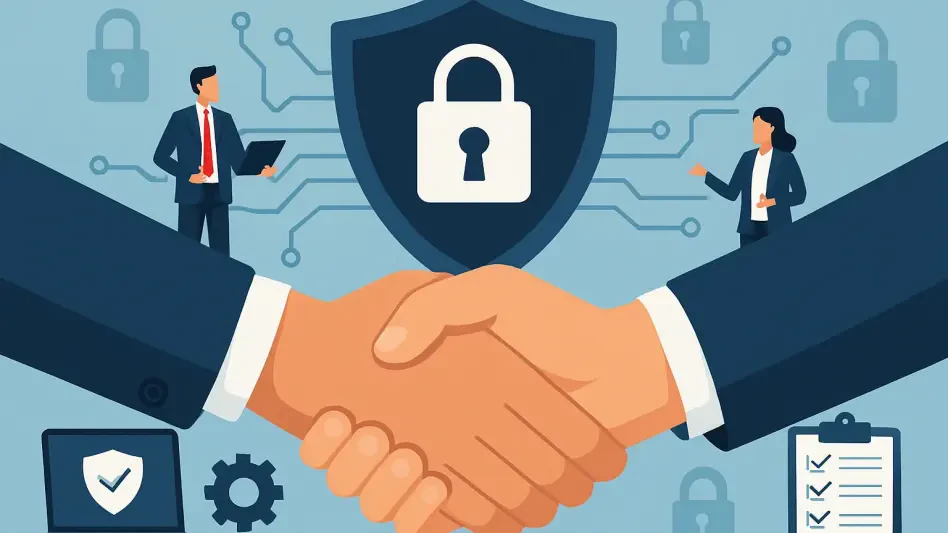
Effective incident response in the modern environment requires a high degree of interdisciplinary cooperation that extends far beyond the traditional boundaries of the IT department. Executive leaders take on the vital role of bridging the gap between technical forensic teams and the board of directors, ensuring that high-stakes decisions regarding system shutdowns and public disclosures are based on comprehensive risk assessments. Meanwhile, legal counsel assumes a central position from the earliest stages of an investigation to maintain attorney-client privilege and oversee the activities of third-party forensic specialists. This legal oversight is crucial for managing long-term liability and navigating the complex web of global data protection regulations that mandate rapid notification. Simultaneously, public relations experts are integrated into the core team to manage the narrative and counter the pressure tactics used by threat actors on public leak sites. This unified front ensures that communication remains consistent across all channels and stakeholders.
The logistical side of managing a crisis demanded the implementation of out-of-band communication tools to ensure that the response team could operate even when primary networks were compromised. Beyond these technical necessities, the most effective organizations focused on the delicate balance between restoring business operations and preserving the forensic evidence required for legal and insurance purposes. These firms realized that the haste to return to normal often erased the very digital footprints needed to understand the root cause of an attack. Consequently, leadership adopted a mindset of continuous improvement by analyzing near misses and minor security anomalies rather than waiting for a full-scale catastrophe to occur. This retrospective approach identified weaknesses in escalation paths and refined defensive strategies long before they were tested by a major breach. By treating every incident as a strategic lesson, these enterprises successfully transformed their response capabilities into a durable shield.