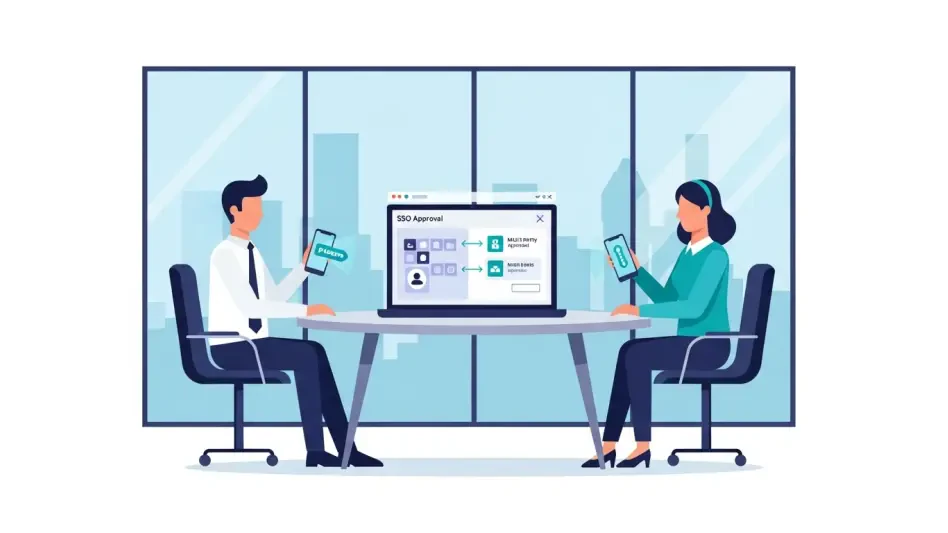
A stranger on the phone sounds like IT, knows an executive’s nickname, and asks for a quick SSO reset that unlocks the whole cloud, turning a friendly favor into an entry point for theft, coercion, and seven‑figure demands. That is the working pattern of BlackFile: voice-led social engineering that pivots from identity compromise to data exfiltration across SaaS.
Why executives and help desks? Executives amplify trust and privileges, while support teams hold the keys to resets and enrollments. Vishing becomes cloud-wide compromise via lookalike SSO pages, session token theft, and later abuse of Graph and Salesforce APIs. The hard parts to blunt are human-driven access, realistic portals, normal-seeming sessions, and sticky API permissions.
Background, Context, and Significance
Open-source and private reporting described a sustained, opportunistic campaign since February hitting retail, hospitality, healthcare, technology, transportation, logistics, and wholesale. Multiple vendors aligned this cluster with labels such as The Com, CL‑CRI‑1116, UNC6671, and Cordial Spider, signaling ecosystem overlap rather than a lone set.
This wave tracked with a broader move flagged by major identity and threat teams: intrusions now lean on voice and identity, not malware-first playbooks. Once executive identities fall, reach extends across Microsoft 365 and Graph, Salesforce, SharePoint, code repos, and sensitive datasets—fuel for public shaming, leak-site pressure, and even swatting.
Research Methodology, Findings, and Implications
Methodology
Analysts synthesized Unit 42 findings, RH‑ISAC indicators, and corroborating trends from identity and threat intelligence sources. Case studies, SSO and API telemetry, and phishing infrastructure mapping framed the operational picture.
The team reconstructed timelines since February, profiled TTPs, gauged sector exposure, and validated help-desk social engineering scripts. Cross-referencing actor names ensured continuity across fragmented labels.
Findings
Initial access flowed through voice phishing to help desks and employees, paired with convincing SSO clones that harvested credentials and cookies. Scraped directories guided tailored callback flows that targeted executives and senior staff.
Post-compromise, actors escalated rapidly into privileged cloud roles, consented risky scopes, and pulled data via Microsoft Graph and Salesforce APIs. Activity stayed steady, spanned industries, and culminated in seven‑figure extortion and leak-site pressure, with swatting as a coercion escalator.
Implications
Controls that matter now include verified callbacks and multi‑party checks for support requests, plus hard limits on changes in a single call. Phishing‑resistant MFA and step‑up reauthentication for privileged actions raise the cost of session theft.
Detection should focus on anomalous SSO paths, consent grants, and API usage. Baselines for executive accounts and rapid revocation of tokens, sessions, and OAuth consents reduce dwell time; RH‑ISAC indicators strengthen triage.
Reflection and Future Directions
Reflection
Multi-source corroboration helped map the help‑desk‑to‑cloud kill chain and showed actor continuity despite varied names. TTP clarity revealed how normal‑looking sessions masked exfiltration.
Challenges persisted around private voice infrastructure and real‑time coordination behind swatting. Telemetry gaps around OAuth consent abuse, token replay rhythms, and device enrollment flows constrained precision.
Future Directions
Priority research includes longitudinal studies of help-desk abuse, testing of callback and multi‑party controls, and automated spotting of risky API scopes. Broader RH‑ISAC sharing and standardized playbooks for swatting-linked extortion would improve readiness.
Technology opportunities lie in wider phishing‑resistant MFA coverage, adaptive reauthentication for sensitive SaaS actions, and least‑privilege defaults for executive roles to narrow blast radius.
Conclusion and Executive Action Plan
The investigation showed that BlackFile’s vishing‑led, identity‑centric campaign stayed active, cross‑industry, and extortion‑driven. Evidence tied social engineering at help desks to SaaS-scale exfiltration via consented APIs and hijacked sessions.
Immediate next steps prioritized verified callbacks, multi‑party approvals for support, elevated monitoring of SSO and API anomalies, and fast revocation of tokens and consents. Applying RH‑ISAC indicators across detection stacks and tightening executive privileges offered practical reductions in risk while the campaign persisted.