The security of a hardware wallet typically relies on the premise that private keys never leave the physical device, yet a sophisticated new wave of attacks is bypassing digital firewalls by appearing directly in the mailboxes of unsuspecting victims. These physical phishing campaigns leverage the psychological weight of a tangible, printed letter to convince Ledger users that their assets are at immediate risk from emerging technological threats. By masquerading as official corporate communications, these fraudulent documents create a false sense of urgency that can lead even seasoned crypto enthusiasts to compromise their own security protocols.
This guide explores the mechanisms behind these deceptive physical mailers and provides clarity on how to distinguish legitimate security notices from elaborate scams. Readers will learn about the specific tactics used to harvest seed phrases, the potential origins of the leaked data fueling these attacks, and the non-negotiable rules of hardware wallet safety. Understanding the anatomy of these fraudulent letters is the first step in ensuring that the ultimate control over one’s digital wealth remains firmly in the hands of the rightful owner.
Key Tactics and Protective Measures
Why are Ledger Users Receiving Physical Mail Regarding Security?
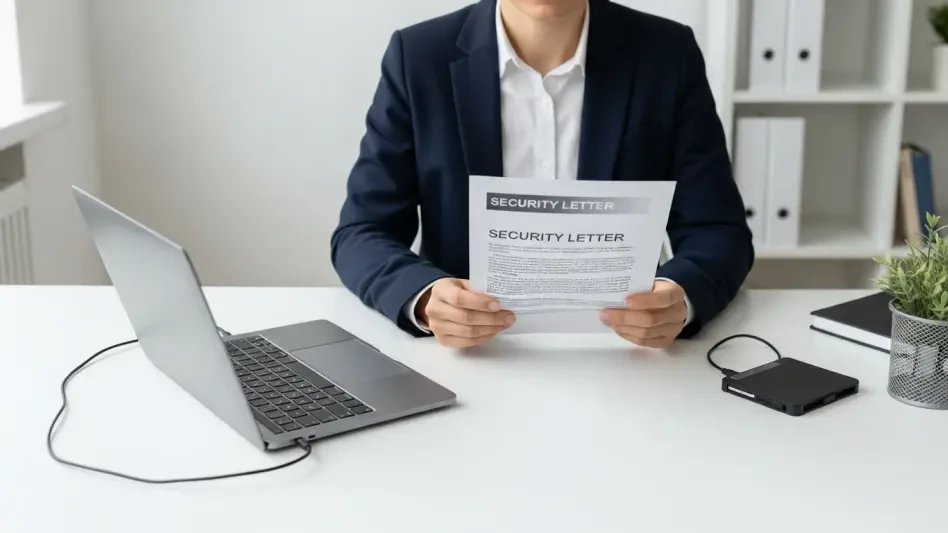
Scammers have shifted toward physical mail because traditional email filters have become increasingly effective at flagging digital phishing attempts before they reach a user. By sending a high-quality, branded letter to a physical address, attackers exploit the inherent trust people place in traditional postal correspondence. These letters often reference complex topics like quantum computing resistance to overwhelm the recipient with technical jargon, making the fake security “update” seem like a necessary evolution in asset protection.
The content of these letters is meticulously crafted to mimic the tone and aesthetic of professional fintech communications, often including specific reference numbers and the names of real company executives. This localized approach, where letters are translated into the recipient’s native language, suggests a high level of coordination and investment on the part of the criminals. Their goal is to move the user away from the secure environment of the hardware wallet and toward a malicious web interface designed for data harvesting.
How Does the Scam Attempt to Steal Digital Assets?
The primary mechanism of this theft involves a fraudulent QR code or a shortened URL printed within the letter, which directs the victim to a convincing replica of an official support page. Once on this site, the user is prompted to enter their 24-word recovery seed phrase under the guise of synchronizing their device or activating a new security protocol. In reality, as soon as those words are typed into a browser, the attackers gain the ability to recreate the wallet on their own software and drain all associated funds instantly.
Hardware wallets are designed to be a “cold” storage solution, meaning the seed phrase should never be entered into any device connected to the internet. The scammers rely on the user’s temporary lapse in judgment or lack of technical knowledge regarding the fundamental separation between the hardware device and the computer. Moreover, the letters often set a strict deadline for the supposed update, pressuring the victim to act quickly without consulting official support channels or community forums for verification.
What is the Source of the Personal Data Used by Scammers?
While no single source has been definitively proven for every campaign, evidence points toward historical data breaches involving third-party e-commerce partners and marketing databases. Because these letters are addressed to specific individuals at their home residences, it is clear that the attackers are utilizing lists containing names, physical addresses, and the fact that the individual is a crypto wallet owner. This targeted nature makes the scam far more effective than a generic blast, as it proves the sender knows the recipient’s purchase history.
The cryptocurrency industry has seen various data leaks over the years, and this information remains valuable to malicious actors long after the initial breach. Even if a user has tightened their security since a leak, their physical location and previous association with a hardware brand can remain in the hands of bad actors indefinitely. This persistent threat highlights the importance of remaining vigilant and treating any unexpected communication regarding private financial keys with extreme skepticism.
Summary of Defensive Strategies
The investigation into physical phishing campaigns revealed that the most effective defense was a strict adherence to the fundamental principles of self-custody. Users who recognized that a legitimate manufacturer would never request a seed phrase were able to identify the letters as fraudulent despite the high-quality presentation. It was observed that the attackers heavily utilized psychological pressure and localized language to bypass the natural skepticism of their targets. Ultimately, the safety of digital assets depended entirely on the user’s refusal to digitize their physical recovery words on any website or application.
Final Thoughts on Future Security
The evolution of phishing from digital screens to physical mailboxes demonstrates that as technology advances, the methods used to exploit human psychology also become more sophisticated. Moving forward, crypto holders should consider using a dedicated postal box or a secondary address for hardware purchases to minimize the risk of their primary residence being linked to their digital wealth. It is also beneficial to keep the recovery seed phrase strictly on physical media, such as stainless steel or paper, stored in a location that is disconnected from all digital interfaces. By maintaining a healthy level of paranoia regarding unsolicited advice and urgent security warnings, investors can successfully navigate the complexities of the modern security landscape.