
The rapid evolution of global security threats has rendered traditional, theory-based instruction increasingly obsolete, necessitating a radical shift toward immersive and technology-driven training paradigms. At the heart of this transformation is the newly inaugurated Security Operations Training Command (SOTC) at the Institute of Technical Education (ITE) College Central, a facility spanning 353 square meters that meticulously mirrors real-world security environments. By integrating high-fidelity simulations with hands-on operational scenarios, this center is designed to bridge the widening gap between classroom learning and the high-stakes realities of frontline duty. As the industry moves toward 2027 and beyond, the emphasis is no longer just on physical presence but on the ability to navigate complex digital and physical landscapes simultaneously. This facility represents a strategic investment in human capital, ensuring that the next generation of security professionals is not merely reactive but possesses the technical fluency required to manage modern crises with precision and analytical depth.
Advanced Simulation and Border Security Environments
Specialized Zones for Tactical Proficiency
The architectural layout of the SOTC is purposefully divided into specialized zones, each engineered to cultivate specific competencies that are essential for maintaining national and corporate safety. A cornerstone of this facility is the experiential training space developed through a landmark partnership with the Immigration and Checkpoints Authority (ICA). This zone serves as the first higher-education replication of border security operations, featuring functioning automated clearance gates, advanced X-ray scanning machines, and dedicated vehicular search areas. Trainees are placed in a controlled yet highly realistic setting where they must practice the identification of sophisticated contraband and the inspection of tampered vehicles. This practical exposure is critical because it allows students to develop the muscle memory and observational skills needed to spot anomalies that might be overlooked in a standard classroom setting, thereby reducing the margin for error when they eventually transition to active duty at major checkpoints.
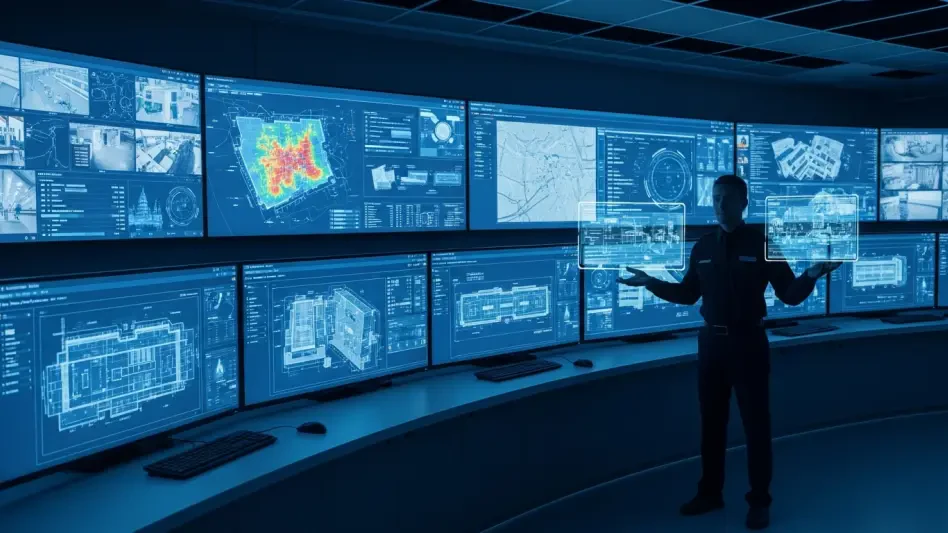
Beyond the physical mechanics of border control, the facility integrates a state-of-the-art Command Centre that serves as the nervous system for simulated security operations. This center is equipped with live information dashboards, smart building management systems, and Global Positioning System tracking capabilities, allowing trainees to assume the roles of security controllers. In this environment, the focus shifts from individual tasks to large-scale coordination, where students learn the intricacies of risk assessment and real-time incident management. They are tasked with interpreting data streams to make split-second decisions, such as redirecting personnel during a breach or coordinating with emergency services during a simulated fire. This level of systemic training ensures that graduates understand the broader operational context of their work, moving beyond isolated technical skills to a more holistic grasp of how technology and human intuition must work in tandem to secure a modern urban environment.
Immersive Technology and Behavioral Analysis
The integration of mixed reality and artificial intelligence within the training curriculum represents a significant leap forward in preparing personnel for high-pressure human interactions. These digital simulations are specifically designed to replicate volatile situations, such as managing unruly crowds or securing a crime scene under intense public scrutiny, which are difficult and expensive to stage physically. By using mixed reality headsets, trainees can interact with virtual entities that respond dynamically to their verbal commands and physical presence, providing a safe space to fail and learn. This technology enables the repetition of complex scenarios until a trainee demonstrates the necessary composure and analytical thinking required to de-escalate a situation. The objective is to foster a “mental readiness” that allows officers to remain calm and decisive even when faced with the unpredictable nature of human behavior in stressful or dangerous environments.
Furthermore, AI-driven analytics within the simulation platforms allow for a detailed review of trainee performance, providing insights that were previously impossible to quantify. The system can track a student’s eye movements, response times, and even the tone of their voice during a simulated confrontation to provide objective feedback on their situational awareness and communication efficacy. For instance, if a trainee fails to notice a suspicious behavioral trait in a virtual suspect, the system highlights this lapse during the debriefing session, allowing for targeted improvement. This data-centric approach to training ensures that every hour spent in the simulation translates into measurable gains in professional competence. By refining these “soft skills” through hard data, the facility ensures that security personnel are not just technically proficient but are also psychologically equipped to handle the nuances of suspect evasion and public safety management.
Integrating Education with Industry Experience
Collaborative Models for Workforce Development
The pedagogical foundation of the SOTC is built upon a robust Work-Study Diploma (WSDip) in security operations, a 30-month program that exemplifies the dual-track model of vocational education. Under this framework, approximately 300 trainees balance their academic requirements by spending one day in the classroom and four to five days gainfully employed with partner organizations. This structure ensures that the advanced techniques mastered within the SOTC are immediately tested and refined in the workplace, creating a continuous feedback loop between theoretical innovation and practical application. By aligning the curriculum with the actual needs of major agencies like the Singapore Prison Service and the ICA, the program creates a seamless transition for students, who often find themselves working in the same environments they practiced in during their studies. This model effectively eliminates the “onboarding lag” often seen in new hires, as graduates enter the workforce with a year or more of direct experience already under their belts.
Moreover, the success of this collaborative ecosystem is reflected in the strong recruitment pipelines established with key national agencies. Since the program’s recent expansion into the current cycle, the ICA has successfully onboarded over 200 officers through this specific pathway, while the Singapore Prison Service has begun integrating its first cohort to focus on crisis response and human-centric communication. These partnerships are not merely about filling vacancies; they represent a unified strategy to professionalize the entire security sector by setting higher standards for entry-level proficiency. As the industry continues to grapple with manpower constraints, this model offers a sustainable solution by producing “tech-lite” officers who can leverage automation and digital tools to amplify their impact. This strategic alignment between educational institutions and government bodies ensures that the training remains relevant to the evolving security landscape, providing a steady stream of highly skilled professionals who are ready to safeguard the nation.
Real-World Impact and Future Readiness
The tangible benefits of this high-tech training approach are perhaps best validated by the firsthand accounts of the trainees who navigate these simulated environments daily. For individuals who already hold operational roles at major checkpoints, the facility provides a vital “heads-up” regarding the sophisticated methods used by criminals to smuggle contraband or evade detection. The vehicular search area, in particular, has been cited as a game-changer for identifying hidden compartments in modern car frames, a skill that requires both tactile experience and spatial awareness. By practicing these inspections in a low-stakes environment, trainees can refine their techniques without the pressure of live traffic, leading to significantly higher detection rates once they return to their active duty stations. This hands-on experience transforms abstract security protocols into concrete, repeatable actions that save lives and protect borders.
Looking ahead, the role of the SOTC and similar institutions will be to serve as a laboratory for the future of security operations rather than just a training center. As new technologies like autonomous patrol robots and biometric surveillance become more prevalent between now and 2030, the facility must evolve to incorporate these tools into its curriculum. The actionable next step for the industry is the adoption of a “continuous learning” mindset, where even veteran officers return to these high-tech hubs to update their skills in response to emerging threats like cyber-physical attacks or AI-driven social engineering. Organizations should prioritize investments in these immersive environments to ensure their workforce remains resilient against the rapid pace of technological change. Ultimately, the future of the security sector lies in this synthesis of human intuition and machine intelligence, ensuring that the professionals on the frontline are always one step ahead of those who seek to disrupt public order.
The implementation of the Security Operations Training Command successfully moved vocational training from a passive experience to an active, immersive discipline. By bridging the gap between theoretical knowledge and practical execution, the facility ensured that graduates were prepared for the complexities of modern security work. The collaboration between academic institutions and national agencies created a streamlined pathway for professional development, addressing labor shortages while raising the bar for operational excellence. This transition established a new standard for the industry, emphasizing that technical literacy and psychological preparedness were just as critical as physical presence in safeguarding the community.