The rapid evolution of physical security has reached a critical juncture where traditional plastic keycards and heavy server racks are no longer the industry standard for modern facilities. With the official unveiling of the Solo system, the security sector is experiencing a fundamental departure from legacy access control methodologies that previously relied on cumbersome on-site infrastructure. This new solution integrates phone-based operations with cloud-hosted technology, effectively turning the user’s smartphone into both the primary management console and the physical credential. By leveraging the existing hardware capabilities of modern mobile devices, the system achieves a total decentralization of security management. This approach eliminates the historical complexities of networked systems while maintaining the high-security standards that facilities require in 2026. The shift toward a mobile-first environment reflects a broader trend in building management where efficiency and user convenience are prioritized without compromising the integrity of protected perimeters.
Rethinking Access Control: The Cloud Integration Model
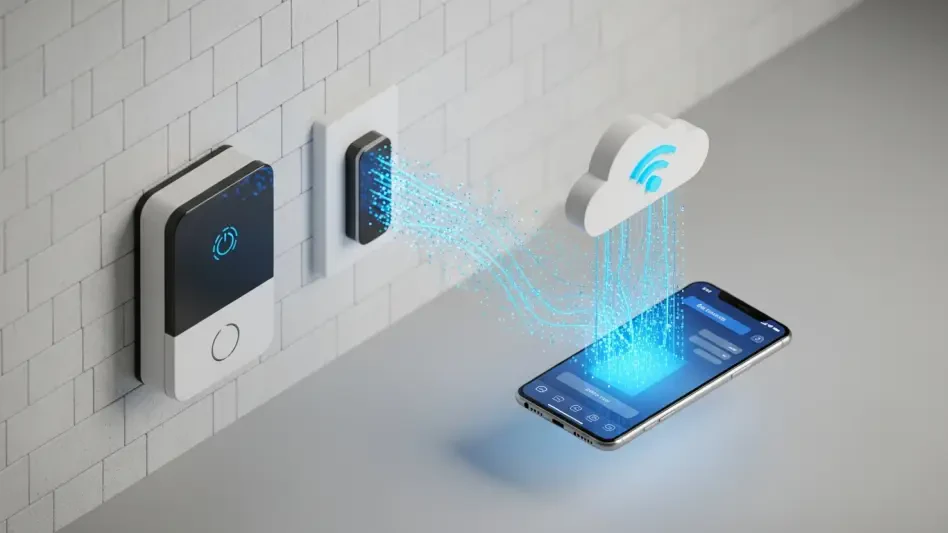
Traditional networked access control systems have long been defined by a heavy on-site footprint, requiring dedicated data networks, centralized servers, or localized PCs to manage permissions and logs. Solo renders these components largely obsolete by shifting the heavy lifting of data processing and storage to the cloud, representing a significant change in security architecture. Because the intelligence resides in the cloud and the interface is located on the user’s phone, the hardware installed at the door remains minimal. This allows for a streamlined installation process that mirrors the simplicity of a standalone, non-networked lock, yet it provides the robust functionality—such as real-time reporting and remote management—that was previously exclusive to expensive, hard-wired systems. By decoupling the security functions from the physical building infrastructure, installers can deploy professional-grade protection in a fraction of the time, making it easier to scale security across multiple locations without needing to establish complex local local area networks or server rooms for every site.
Beyond the physical architecture, the role of the smartphone has been elevated to a central administrative and functional tool. From an management perspective, the dedicated application allows for the creation and oversight of the entire system, including the immediate adjustment of access permissions and the monitoring of real-time activity logs. From the end-user perspective, the phone replaces traditional physical fobs or plastic cards by utilizing built-in biometric security, such as facial recognition and fingerprint scanning. This transition not only enhances convenience for the user but also significantly increases the overall security posture of the facility. Biometric identification is inherently more difficult to duplicate or share than a physical token, reducing the risk of unauthorized entry due to lost or stolen credentials. The integration of real-time visibility through the mobile app ensures that administrators have a live pulse on building security at all times, providing a level of responsiveness that traditional static systems simply cannot match.
Economic Impact: Market Opportunities and Cybersecurity Standards
One of the primary barriers to the adoption of professional access control has historically been the prohibitive cost of infrastructure and labor associated with complex wiring and server setup. The Solo system addresses this economic challenge by requiring only a few key hardware components, specifically a controller, a DoorTag, and a power supply linked to an electronic lock. This streamlined hardware requirement significantly lowers the entry cost for small and medium businesses that need professional security without the associated IT overhead. Furthermore, the system is designed to support recurring revenue opportunities for security professionals who can offer managed cloud hosting services to their clients. To catalyze the adoption of this technology, a massive promotional campaign has distributed thousands of starter kits to installers, allowing them to experience the efficiency of the “fit and forget” model firsthand. This shift in the economic landscape makes high-end security accessible to a much broader range of commercial and residential property managers.
The versatility of this cloud-based approach extends into environments where traditional data infrastructure is either absent or difficult to manage, such as temporary construction sites or remote facilities. Because the system operates independently of a customer’s local IT network, it is ideally suited for niche applications like student accommodation, private healthcare clinics, and short-term rentals. To mitigate the digital risks associated with Internet of Things devices, the system underwent rigorous testing by cybersecurity experts to achieve high-level certifications. It attained the UL IoT Cybersecurity Diamond certification, which is recognized as the highest possible accreditation for digital resilience in connected devices. This focus on cybersecurity ensures that while the system is easy to deploy and use, it remains resilient against sophisticated modern cyber threats. By combining infrastructure-light hardware with top-tier digital protection, the solution provides a cohesive narrative that satisfies the demands of both price-conscious installers and security-conscious facility managers.
Strategic Implementation: Future Directions for Security Integration
The deployment of these infrastructure-light security solutions provided a clear roadmap for organizations looking to modernize their physical defenses without undergoing expensive renovations. It became evident that the move toward cloud-based management allowed for more agile responses to security incidents, as administrators managed building access from any location. For facilities interested in adopting this model, the first step involved conducting a thorough audit of existing entry points to determine where mobile-first credentials could replace traditional keyways most effectively. Security teams prioritized high-traffic areas where biometric verification added the most value, while also considering the benefits of remote log monitoring for compliance and safety audits. This transition demonstrated that professional-grade protection did not require a heavy localized server presence, provided that the underlying cloud infrastructure was backed by industry-standard cybersecurity certifications. The result was a more flexible security environment that scaled effortlessly alongside organizational growth.
Integrating mobile-based access control also forced a re-evaluation of how physical and digital security departments collaborated within a single enterprise. Organizations that successfully transitioned to this cloud-based model focused on training staff to use biometric features correctly, ensuring that the convenience of the smartphone did not lead to lapses in general security awareness. Practical next steps for property managers included the implementation of service-based maintenance contracts with installers, which ensured that cloud firmware remained updated against emerging digital vulnerabilities. This proactive approach to system health proved more effective than the reactive maintenance cycles associated with legacy hardware. By shifting the focus from physical component upkeep to digital oversight, facilities reduced their long-term operational costs while gaining deeper insights into building utilization patterns. The adoption of these systems ultimately validated the idea that modern security should be as mobile and connected as the users it protects, setting a new benchmark for the industry moving forward.