Walking through a bustling international airport terminal or a sun-drenched city plaza, a traveler might find that a simple black-and-white square is no longer a helpful tool but a gateway to a sophisticated digital trap. This phenomenon, colloquially known as quishing, has evolved into a significant threat throughout 2026, marking a shift where cybercriminals move from the digital realm into the physical environments of major metropolitan hubs. While most individuals are now trained to identify fraudulent links within an email or a suspicious text message, the inherent trust placed in public infrastructure creates a unique vulnerability. Scammers are currently exploiting the rapid adoption of contactless technology by placing malicious QR codes in high-traffic areas such as transit stations, parking kiosks, and popular tourist attractions. This strategy relies on the assumption that a physical sign provided by a city or a reputable business is inherently safe. However, the surge in reported quishing incidents, which has seen a staggering 146% increase since the beginning of 2026, highlights a growing need for travelers to exercise extreme caution when scanning codes in any public space.
The Mechanics: Physical Tampering and Digital Exploitation
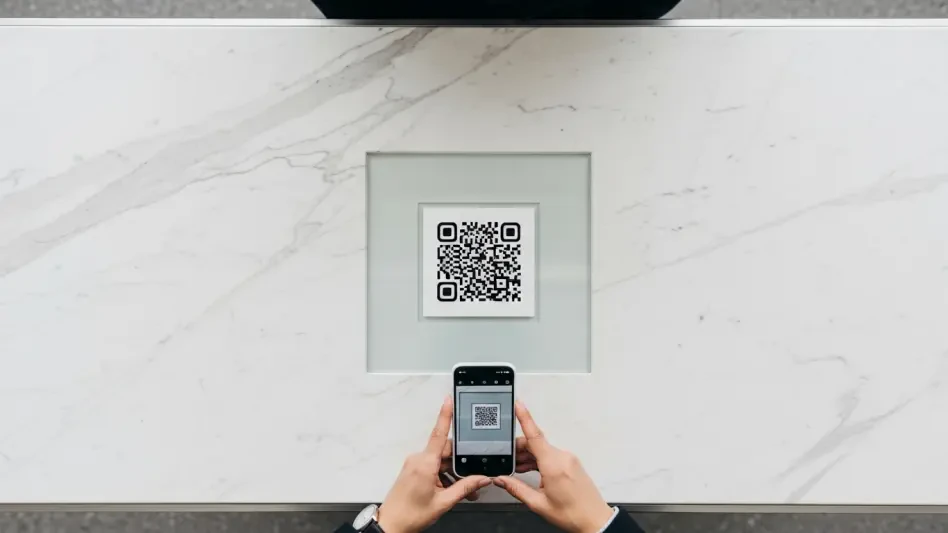
The technical execution of quishing is deceptively simple yet highly effective because it blends physical craftsmanship with traditional digital fraud. Criminals often manufacture high-quality adhesive overlays that are specifically designed to mimic the appearance, texture, and branding of legitimate signage found on parking meters or museum exhibits. These malicious stickers are placed directly over authentic QR codes, making them nearly impossible to detect with a casual glance. By hijacking the physical interface, attackers bypass almost all standard digital security layers, such as enterprise firewalls or email filtering systems. This occurs because the initial connection is not pushed to the user via a suspicious message; instead, it is the user who initiates the transaction by interacting with an object in the real world. This reversal of the traditional phishing model places the burden of security entirely on the individual, who may be less vigilant when interacting with a tangible, seemingly official piece of city infrastructure or local restaurant hardware.
Once a traveler scans the fraudulent code, the secondary phase of the attack begins by redirecting the mobile browser to a spoofed website designed to mirror a legitimate service provider. These portals are often indistinguishable from actual payment gateways or informational sites, complete with official logos and SSL certificates that provide a false sense of security. The primary goal of these campaigns is the harvesting of sensitive personal data, such as credit card numbers, home addresses, or login credentials for financial accounts. In more advanced scenarios, the malicious site may trigger a background download of mobile malware or zero-click exploits that compromise the entire operating system of the smartphone. This allows attackers to monitor future activity, steal two-factor authentication codes, or even access sensitive work data if the device is used for business travel. Because the interaction happens on a mobile device, which often lacks the heavy-duty antivirus protection found on desktop computers, the success rate for these fraudulent redirects remains alarmingly high throughout 2026.
Regional Risks: Vulnerabilities in Modern City Infrastructure
Geographical data from 2026 reveals that certain metropolitan areas have become primary targets for quishing, with specific cities exhibiting unique patterns based on their local infrastructure and tourism trends. In Miami, for instance, the threat is predominantly concentrated in the outdoor dining sectors, where scammers replace menu codes on café tables to intercept payment information from diners. Conversely, Dallas has seen a significant rise in tampered codes located on municipal parking kiosks, targeting both residents and visitors who are in a rush to secure a spot. In the Pacific Northwest, Seattle’s tech-forward culture has paradoxically created a security blind spot; users there are so accustomed to digital convenience that they often scan codes without hesitation. Meanwhile, Philadelphia has reported issues with malicious stickers being placed on informational signage throughout its historic district and museum corridors. These regional variations demonstrate that no high-traffic urban environment is immune, as attackers continuously adapt their placement strategies.
A primary reason these attacks have been so successful is the significant failure of traditional cybersecurity measures to address the widening gap between the physical and digital worlds. Because the point of entry is a physical scan, secure email gateways and automated link scanners are rendered entirely irrelevant to the threat model. Furthermore, travelers frequently operate outside of their protected home or office networks, relying instead on public Wi-Fi or cellular data connections that may lack the robust, real-time protection necessary to intercept mobile-specific exploits. Mobile browsers also present a challenge, as they often truncate long URLs, making it easier for a fraudulent domain to masquerade as a legitimate one. This combination of physical accessibility and digital isolation creates an environment where a simple piece of plastic or paper can compromise a sophisticated modern device. As long as the infrastructure for these interactions remains static and unmonitored, the physical-to-digital bridge will continue to be a preferred vector for criminals.
Psychological Tactics: Exploiting Distraction in the Urban Landscape
Cybercriminals increasingly leverage the psychology of travel to catch victims off guard, utilizing the high-stress environment of transit hubs to their advantage. People on the move are frequently dealing with significant cognitive load, which includes the mental strain of managing heavy luggage, adhering to tight schedules, and navigating unfamiliar streets. In this distracted or hurried state, the human brain naturally prioritizes speed and convenience over meticulous security verification, making the seamless, one-tap nature of a QR code the perfect tool for exploitation. Scammers understand that a traveler who is trying to pay for parking while their children are waiting or who is trying to view a train schedule in a foreign city is far less likely to scrutinize the legitimacy of a sign. This exploitation of urgency is a cornerstone of modern social engineering, as it bypasses the logical reasoning centers of the brain. By placing these traps in locations where a quick decision is required, attackers ensure that convenience remains an effective weapon.
To mitigate these psychological vulnerabilities, travelers must adopt a verify-then-trust mindset that begins with a thorough physical inspection of any code before it is scanned. A simple but effective tactic involves checking if the QR code feels like a raised sticker or if it appears slightly misaligned with the surrounding text and graphics on the sign. If the edges of a sticker are visible or if the color of the square does not perfectly match the underlying material, it is a strong indicator of tampering. Additionally, modern smartphone cameras now provide a URL preview at the bottom of the screen before the link is fully opened. Users should make it a habit to pause and inspect this web address to ensure it aligns perfectly with the official domain of the service they are attempting to use. Discrepancies such as a missing letter, an unusual top-level domain like .biz instead of .gov, or the use of a URL shortener should be treated as immediate red flags. Developing this momentary pause in the scanning process is the most effective way to counteract the click-first instinct.
Future Safeguards: Building Resilience Against Real-World Fraud
Recognizing the signs of a potential trap was essential for travelers, especially when a redirected website unexpectedly asked for sensitive information like passwords or credit card details. When any degree of doubt existed, the most prudent course of action was to bypass the scan entirely and utilize traditional, manual methods of interaction. This might have involved requesting a physical paper menu at a restaurant, which remained a reliable alternative despite the trend toward digitization. For transportation and parking services, using a dedicated app downloaded directly from an official app store often provided a much higher level of security than scanning a public sign. Another effective strategy was to manually type the business’s official web address into a mobile browser, ensuring that the connection was established through a known, secure path rather than a potentially compromised gateway. By choosing these manual alternatives, travelers effectively closed the physical-to-digital loop that attackers sought to exploit, maintaining control over their personal data.
Looking toward the stabilization of urban security, city governments and private businesses began implementing physical-world security upgrades to combat the quishing trend effectively. These institutional changes included the integration of security holograms on official signage and the widespread transition to dynamic digital display screens that were significantly harder to tamper with than static stickers. Furthermore, local authorities in major cities initiated awareness campaigns that taught the public how to report suspicious codes to local law enforcement or municipal maintenance departments. Law enforcement agencies also increased their presence in high-risk zones, conducting regular audits of parking kiosks and transit displays to identify and remove malicious overlays before they could cause harm. Travelers who remained vigilant and reported anomalies contributed significantly to the overall safety of the urban digital landscape. This proactive approach to physical security, combined with a commitment to using verified applications and manual data entry, ensured that the convenience of QR technology did not come at the cost of personal security.