A single deceptive text message known as a smishing attack can compromise a Veteran’s personal information by luring them into clicking a malicious link for benefit updates. The rise in sophisticated digital fraud has created a complex environment where those who have served the country are frequently viewed as high-value targets by global cybercrime syndicates. These malicious actors often invest significant time into researching their victims, ensuring that the fraudulent messages appear to originate from the Department of Veterans Affairs or other military-affiliated organizations. This form of social engineering exploits the trust Veterans place in government institutions, aiming to intercept healthcare records, financial data, and earned pension benefits. As digital communication remains the standard for service delivery in 2026, the necessity for heightened awareness has reached a critical point. The shift toward paperless updates and online portals has unfortunately provided a fertile ground for hackers to deploy advanced lures. Protecting one’s identity now requires a mix of skepticism and technical proficiency to ensure that the rewards of service are not diverted into the hands of criminals.
Recognizing the Diverse Methods Scammers Use
Specialized Tactics Beyond Standard Email
Cybercriminals have moved past the era of obvious, poorly written emails to embrace a strategy of precision and variety. Whaling, for example, is a highly refined version of phishing that targets specific individuals with tailored messages that contain details only an insider might seemingly know. This creates an atmosphere of false intimacy and authority, making the recipient more likely to bypass standard security protocols. Simultaneously, the emergence of vishing—or voice phishing—has introduced the use of sophisticated artificial intelligence to mimic the specific vocal patterns of trusted government representatives or colleagues. These AI-generated voices can sound indistinguishable from the real people they impersonate, leading a victim to believe they are speaking with a legitimate caseworker who requires immediate access to sensitive credentials. These methods are designed to overwhelm the senses and exploit the psychological desire to be helpful or compliant with official requests. By creating high-pressure scenarios through voice or targeted text, scammers seek to force a decision before a Veteran can properly verify the claim’s authenticity.
Mobile and Physical Threats to Security
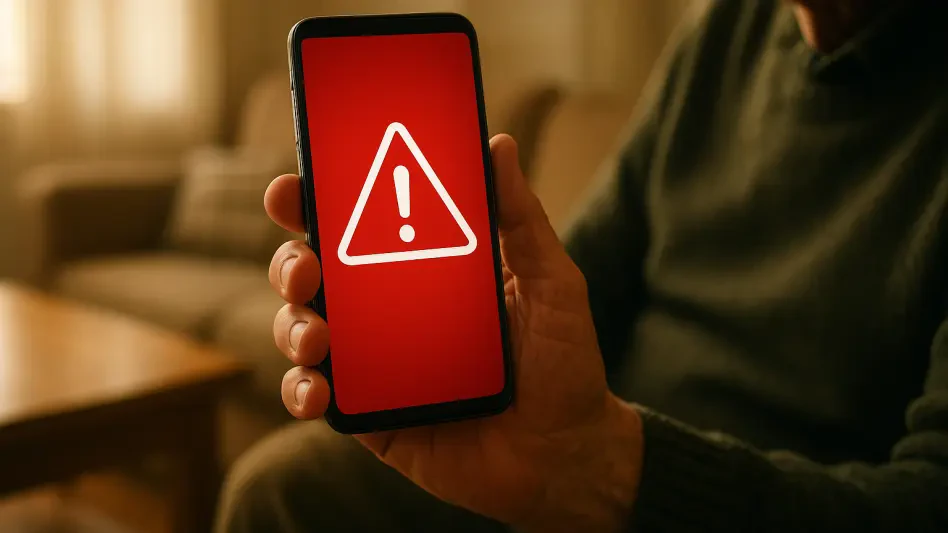
Modern mobile devices offer scammers direct access to their targets through text messaging and camera-enabled scanning. Smishing campaigns often utilize short, urgent messages regarding benefit increases or account security alerts to prompt an immediate reaction. When a Veteran clicks the included link, they are frequently directed to a site that looks identical to the official VA portal but is designed entirely to harvest login information. Similarly, the rise of quishing involves placing fraudulent QR codes on physical mail or in public areas like airports and transit hubs. Scanning these codes can trigger an automatic download of malware that monitors keystrokes and steals banking information. Furthermore, the “evil twin” tactic involves setting up rogue Wi-Fi hotspots that share a name with a legitimate public network. Once connected, every bit of data transmitted is visible to the attacker, including encrypted passwords and personal identifiers, making public connectivity a significant risk. These localized attacks demonstrate how cybercrime has moved from the digital world into physical spaces frequented by Veterans and their families.
Identifying and Neutralizing Digital Threats
Visual and Linguistic Indicators of a Scam
Identifying fraudulent communications requires a meticulous examination of the digital markers that scammers often fail to replicate perfectly. While a fraudulent email might feature the official seal of the Department of Veterans Affairs, the sender’s underlying email domain frequently tells a different story. Legitimate government correspondence always originates from a .gov address; therefore, any variation, such as .org, .net, or addresses containing extra characters like “va-gov.secure-info.com,” should be flagged as an immediate danger. Link manipulation is another common strategy where the visible text of a URL masks the true destination. Hovering a cursor over a hyperlink often reveals a string of random characters or a different website altogether. These subtle technical discrepancies are often the only visible clues that a message is malicious. By training the eye to look past the branding and focus on the technical origin of the message, Veterans can effectively filter out the vast majority of digital threats. Moreover, noticing generic greetings like “Dear Customer” instead of a personalized name can serve as a final warning that the communication is a bulk phishing attempt.
Behavioral Safeguards and Technical Security
Establishing a standard of digital hygiene is perhaps the most powerful tool a Veteran has to prevent identity theft and financial loss. The foundational rule of this approach is the necessity to pause before engaging with any digital prompt. This moment of deliberation allows an individual to evaluate the context of the message and decide whether the request makes sense. If any doubt exists, it is crucial to avoid the provided contact information and instead use a verified, independent source like the official VA website. Complementing this caution with technical fortifications provides a multi-layered defense. Multi-factor authentication (MFA) stands as a critical requirement for any sensitive account, as it requires a secondary code or biometric verification that a scammer cannot easily obtain. Additionally, software maintenance plays an equally important role; operating systems, browsers, and security applications must be kept up to date to close the security gaps that fraudsters frequently exploit. Many of these updates are designed specifically to counteract the latest phishing techniques and malware distributions, providing an automated shield for personal data.
Immediate Response Protocols for Potential Victims
Immediate response was the primary defense for those who encountered a breach of their personal or financial information. If a Veteran noticed a change in their direct deposit details or an unauthorized update to their health records, they contacted the VA immediately at 1-800-827-1000 to halt any further fraudulent activity. This proactive reporting was complemented by the use of centralized government resources like VSAFE.gov and the dedicated hotline at 1-833-38V-SAFE, which specialized in coordinating responses to scams targeting the military community. These organizations provided a clear path for recovery, helping individuals secure their accounts and restore their digital identities. By documenting every suspicious interaction and sharing that data with federal authorities, the Veteran community contributed to the eventual dismantling of the criminal networks responsible for these attacks. Reporting fraud became an essential action that served as a collective barrier that informed future security measures and helped ensure the long-term integrity of the benefits system. This systematic approach transformed individual vulnerability into a shared network of intelligence that protected all who served.