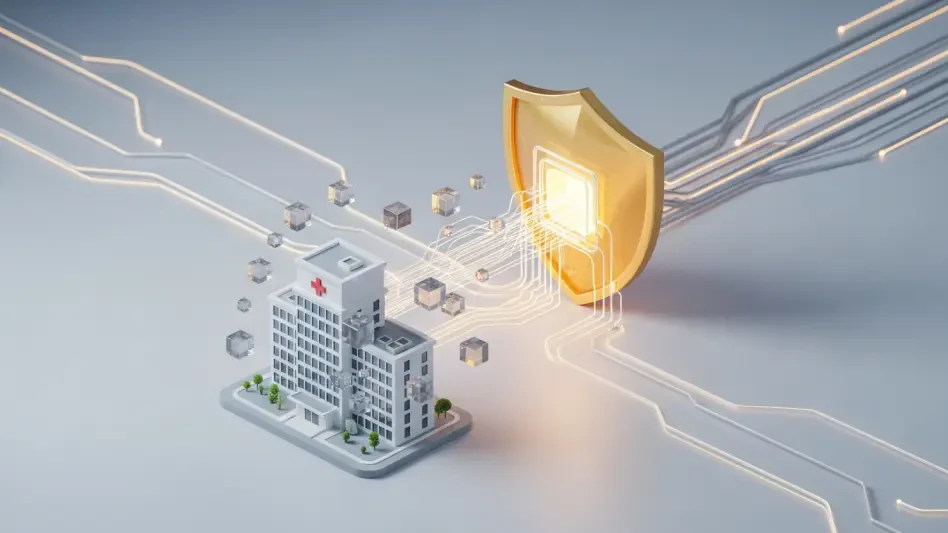
The profound transformation of medical institutions from sanctuaries of healing into high-stakes digital targets has fundamentally altered the global risk landscape for every patient and practitioner. For years, the primary concern of medical administrators remained the physical well-being of those under their care, yet the modern reality dictates that a hospital’s digital perimeter is now as vital as its surgical theater. The vulnerability of the healthcare sector is particularly significant because the consequences of a breach extend far beyond mere financial loss or the exposure of sensitive records. In this high-stakes environment, a successful cyberattack can paralyze emergency services, delay life-saving procedures, and directly endanger human lives.
Consequently, the industry finds itself at a crossroads, facing a multifaceted barrage of threats that include rampant ransomware growth, sophisticated nation-state espionage, and a fragile supply chain prone to cascading failures. Recent data indicates a alarming trajectory where criminal organizations and sovereign actors alike have refined their methods to exploit the unique pressures of the medical field. This analysis explores the current surge in ransomware statistics, the strategic motivations of global intelligence agencies, the inherent risks of service consolidation, and the projected transition toward increasingly destructive malware payloads that threaten the long-term integrity of global health systems.
Quantifying the Crisis: Statistical Growth and Victimology
Ransomware Proliferation and High-Yield Targeting Trends
Recent intelligence reports indicate that the healthcare industry has officially become the third most targeted global sector, representing over nine percent of all recorded ransomware activity worldwide. This surge is characterized by a persistent upward trend in victimology, with the most recent data showing an eight and a half percent increase in incidents compared to the previous quarter. A particularly severe spike occurred during the month of April, which saw ninety separate verified incidents, a figure that highlights the relentless pace at which criminal organizations are now operating against medical providers. This volume is not merely a product of automated scanning but reflects a deliberate focus on organizations where downtime is intolerable.
Furthermore, the diversity of the threat landscape is expanding as more criminal groups recognize the lucrative potential of the medical sector. Out of eighty-one active ransomware gangs currently being monitored by security researchers, fifty have successfully carried out attacks on healthcare institutions. This high participation rate suggests a consensus among the cyber-criminal underground that the sector is a high-yield target. Groups such as “The Gentlemen” and “Genesis” have been particularly aggressive, prioritizing medical organizations because their operational criticality increases the likelihood of a swift ransom payment. These actors leverage the desperation of hospital administrators who must restore systems quickly to maintain patient care, making healthcare one of the most consistently profitable segments of the digital extortion economy.
Notable Incidents and the Exploitation of Specialized Medical Infrastructure
The real-world impact of these statistics is best illustrated by recent high-profile breaches that have compromised millions of sensitive records and clinical datasets. For instance, the massive theft of two point six million records from DentaQuest served as a stark reminder of how vulnerable personal identifiable information remains within specialized medical networks. Similarly, the targeting of Novo Nordisk led to the theft of clinical trial data, demonstrating that even pre-publication pharmaceutical research is under constant threat. These incidents are rarely isolated events; they are often part of broader campaigns designed to exploit specific technological weaknesses shared across the industry.
Tactically, attackers are increasingly focusing on the legacy infrastructure and specialized software that hospitals rely on for daily operations. A recent zero-day campaign targeting Oracle PeopleSoft deployments, attributed to the group ShinyHunters, affected over one hundred organizations and hit healthcare systems particularly hard. These attacks frequently exploit web portals and access management platforms, using them as primary gateways for credential theft and unauthorized data exfiltration. Moreover, the fragility of the supply chain was highlighted by the Qilin attack on NHS blood transfusion services and the disruption at Dutch provider ChipSoft, where a single point of failure led to simultaneous outages across multiple hospitals. This consolidation of IT services creates a multiplier risk, where a single breach can effectively paralyze a regional healthcare network.
Industry Insights: The Interplay of State Actors and Global Espionage
The threat landscape is further complicated by the rising involvement of Advanced Persistent Threats, which are now present in thirty percent of all observed healthcare cyber campaigns. This figure represents nearly a doubling of previous rates, signaling that nation-states view the medical and pharmaceutical sectors as critical fronts for strategic competition. Unlike opportunistic criminals, these state-sponsored actors often have motivations rooted in national security and geopolitical advantage. For example, the North Korea-linked Lazarus Group has consistently targeted medical institutions to facilitate financial theft, a strategy used to bypass international sanctions and fund state programs. This blend of traditional espionage and cyber-criminality makes these actors particularly difficult to deter.
On the other hand, Russian and Chinese actors have shown a more strategic focus on the theft of intellectual property. Russian groups like APT29 have been observed targeting vaccine research and pharmaceutical intellectual property, while Chinese actors such as Mission2074 and Stone Panda continue to pursue a broad range of medical data to bolster their domestic industries. The geopolitical implications are clear; the medical sector is no longer just a target for extortion but a battlefield for scientific and economic dominance. Moreover, the expert assessment of “multiplier risk” suggests that as healthcare IT becomes more consolidated, these state actors only need to compromise a few key service providers to gain access to the data of hundreds of hospitals, creating a systemic vulnerability that is difficult to remediate without major structural reform.
Future Outlook: The Shift Toward Destructive Payloads and Supply Chain Fragility
Looking ahead, the nature of the threat is expected to evolve from simple data encryption toward the use of more aggressive “wiper” malware. This transition signifies a shift in intent, where the goal is no longer just to extort money but to cause permanent destruction of medical records and operational data. Such destructive payloads are often tied to geopolitical conflicts, where disrupting the healthcare infrastructure of an adversary serves as a method of social and psychological warfare. Current trajectories suggest that the industry could see between two hundred twenty and two hundred sixty new victims in the coming quarter, as criminal momentum continues to build and nation-state actors refine their destructive capabilities.
To counter these emerging threats, the healthcare industry must urgently prioritize the security of its web-facing applications and move away from its reliance on aging legacy software. The continued use of outdated Enterprise Resource Planning systems remains one of the most significant entry points for sophisticated attackers. Furthermore, the implementation of more rigorous third-party risk management protocols is essential to address the fragility of the consolidated supply chain. While the concentration of IT services offers operational efficiencies, it also creates a landscape where a single successful attack can have cascading systemic consequences. Future resilience will depend on the industry’s ability to treat cybersecurity as a fundamental component of patient safety, moving beyond reactive measures toward a proactive, structural reform of its digital architecture.
Conclusion: Strengthening Resilience in an Era of Persistent Threats
The comprehensive analysis of the medical sector’s digital environment identified a period of unprecedented volatility and aggression. The surge in ransomware participation among global criminal syndicates, combined with the doubling of nation-state espionage efforts, demonstrated that healthcare remained a primary target for those seeking both financial gain and strategic advantage. The data revealed that the industry faced a consistent increase in victimology, peaking with severe incidents that disrupted critical blood services and pharmaceutical research. It became evident that the traditional focus on data privacy was no longer sufficient, as the threat shifted toward the permanent destruction of records and the exploitation of concentrated supply chains.
Ultimately, the findings highlighted that cybersecurity must be viewed as an indispensable pillar of modern patient care. The strategic focus of North Korean, Russian, and Chinese actors on medical infrastructure proved that the sector was a central element of global geopolitical competition. The transition toward wiper malware and the continued vulnerability of legacy systems necessitated immediate and structural changes in how medical providers managed their digital risk. By recognizing the critical link between network integrity and public safety, the industry began the difficult process of securing its third-party dependencies and web-facing portals. These actions were essential to preventing the cascading systemic failures that once threatened to undermine the very foundation of the global healthcare system.