While high-stakes ransomware attacks capture headlines and dominate public fear, a surprising revelation from Federal Trade Commission (FTC) data shows they are merely a whisper in the storm of reported consumer fraud. The vast majority of threats facing the average person are far more deceptive and personal, a reality that reshapes our understanding of the digital threat landscape. Recognizing the true scope of cyber threats is critical, not just for protecting individual consumers from financial loss, but also for informing the security strategies of businesses that hold their sensitive data. This analysis will dissect the latest FTC findings, differentiate between the high-volume scams targeting consumers and the high-impact attacks aimed at businesses, and explore the future of defensive strategies on both corporate and legislative fronts.
The Reality of Cyber Threats a Data-Driven View
Unpacking the Numbers What Consumers Actually Report
A deep dive into the FTC’s recent data reveals a striking disconnect between perceived threats and reported incidents. Out of more than five million fraud complaints received, the most pervasive danger is not sophisticated malware but rather a simpler, more manipulative tactic: the imposter scam. This broad category, where criminals impersonate a trusted person or entity to solicit money or personal information, stands as the most common type of fraud reported by consumers.
In stark contrast, threats like ransomware and other malware-based attacks account for a surprisingly small portion of the total complaints. According to the FTC, reports of such incidents made up less than 3% of all fraud complaints filed. This data suggests that while the impact of a successful ransomware attack can be catastrophic, the average consumer is far more likely to encounter a scammer trying to trick them than a hacker trying to encrypt their files. This distinction is crucial for developing effective public awareness and protection campaigns.
Common Scams in Action from Impersonation to Infection
The prevalence of imposter scams is evident in their various forms, each designed to exploit trust. A common example involves a fraudster posing as a government official, a family member in distress, or a representative from a well-known company to convince a target to send money. A persistent variant of this is the tech-support scam, where criminals impersonate major U.S. technology companies, alarming users with fake virus warnings to gain remote access to their computers or secure a payment for bogus services.
However, the low volume of consumer-reported malware incidents should not lead to complacency, especially for businesses. While an individual might rarely encounter ransomware, corporations are prime targets for these attacks due to the immense financial and operational leverage they offer criminals. A single successful ransomware attack on a business can disrupt supply chains, compromise the data of millions of customers, and result in devastating financial losses, demonstrating that threat volume and threat severity are two very different metrics.
Business Imperatives Shifting from Reaction to Prevention
The FTC’s Guidance for Corporate Defense
In this complex environment, the FTC positions businesses as the “front-line defenses” in the fight against cybercrime. The agency emphasizes that companies bear a significant responsibility to implement reasonable practices to safeguard the vast amounts of consumer data they collect and store. An insecure business is not just a risk to itself but a gateway for criminals to access a much wider pool of victims.
To support this crucial role, the FTC has developed a robust business education program. This initiative offers a wealth of resources designed to help organizations move from a reactive to a proactive security posture. These materials include practical guides on preventing ransomware, informational videos, and even quizzes that allow companies to test their employees’ preparedness against common phishing and scam tactics, reinforcing the idea that defense is a continuous process of education and vigilance.
Actionable Strategies for Mitigating Risk
The FTC’s guidance translates into several actionable steps that businesses can take to fortify their defenses against cyber incidents. The foundation of a strong security posture begins with the human element. Thorough and regular employee training is essential to help staff recognize and report suspicious emails and other phishing attempts, which are often the initial entry point for more severe attacks.
Beyond training, technical controls are indispensable. The FTC recommends implementing stronger authentication requirements, such as multi-factor authentication, to make it significantly harder for unauthorized users to access critical systems. Furthermore, deploying modern intrusion-detection systems can help identify and neutralize threats before they cause significant damage. Crucially, maintaining regular, isolated data backups ensures that even if an attack is successful, a business can restore its operations without being forced to pay a ransom.
The Global and Legislative Battlefield
Challenges in International Enforcement
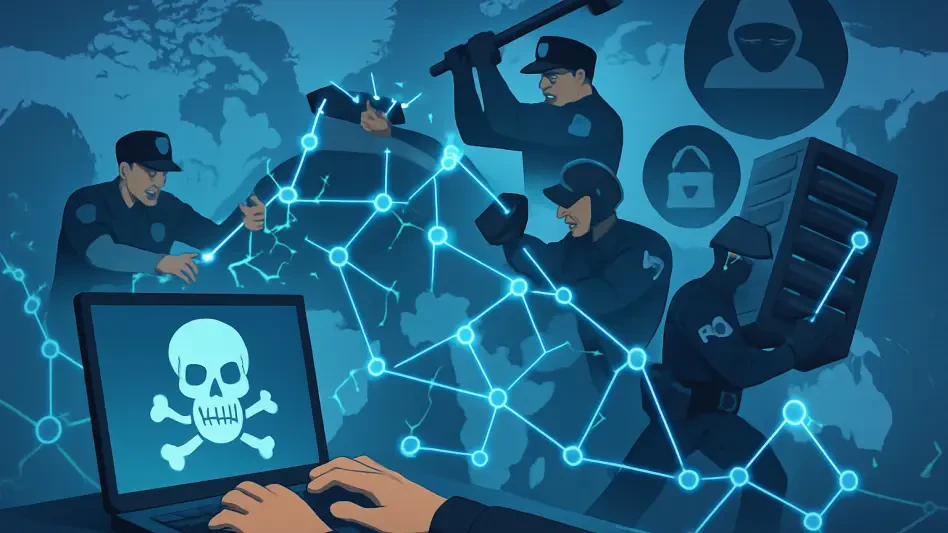
The fight against cybercrime is inherently a global one, yet international cooperation remains a significant challenge. The FTC reports limited or nonexistent enforcement collaboration with several key nations from which cyberattacks frequently originate, including Russia, China, Iran, and North Korea. This diplomatic impasse creates safe havens for cybercriminals, who can launch attacks against U.S. consumers and businesses with little fear of reprisal.
Despite some informal discussions, such as a meeting with Chinese consumer protection officials, tangible progress has been minimal. The FTC noted that while Chinese representatives proposed an agreement for voluntary investigative cooperation, no further engagement has occurred. These diplomatic hurdles underscore the difficulty of building a unified global front against cyber threats when geopolitical tensions and differing legal frameworks stand in the way.
The Legislative Push for Enhanced Cooperation
To overcome some of these international barriers, the FTC is urgently calling on Congress to permanently authorize the USA SAFE WEB Act. This critical piece of legislation provides the legal framework for the agency to share information and cooperate on investigations with foreign law enforcement partners. Without this authority, the FTC’s ability to combat cross-border fraudulent conduct would be severely hampered.
The potential lapse of this act poses a significant threat to consumer protection. In an increasingly interconnected world, where scammers and hackers operate across borders with ease, international cooperation is not a luxury but a necessity. The SAFE WEB Act empowers the FTC to pursue bad actors wherever they are located, and its continuation is vital for ensuring that American consumers and businesses are not left vulnerable to threats that originate beyond the nation’s borders.
Conclusion Navigating an Evolving Digital World
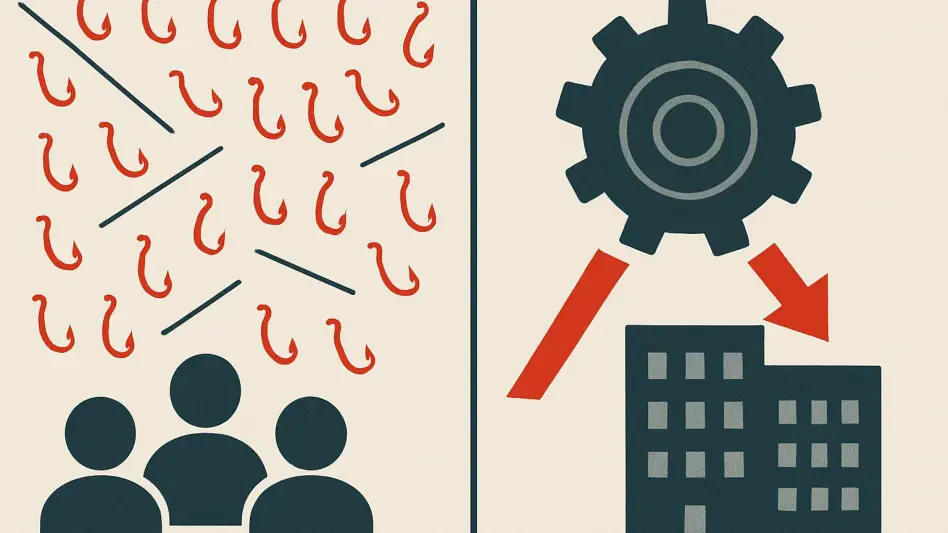
The data clearly indicated a digital threat landscape with two distinct fronts. For consumers, the primary battle was against a high volume of deceptive imposter scams designed to manipulate trust. For businesses, the more severe, albeit less frequent, threat came from targeted technical attacks like ransomware that aimed for maximum operational and financial disruption. This dual reality underscored the need for a multifaceted defensive strategy.
Ultimately, navigating this evolving world required a two-pronged approach. It was essential to continue educating the public on recognizing and avoiding the common scams that flooded their inboxes and phone lines. Simultaneously, it was imperative for businesses to move beyond basic compliance and build resilient, proactive security infrastructures capable of defending against sophisticated adversaries. The path forward demanded both individual vigilance and collective action, including the legislative support necessary to foster a global alliance against cybercrime and protect the digital ecosystem for everyone.