The convenience of skipping the registration process is often offset by the risk of ‘malicious hooks’ designed to forward sensitive communications to unauthorized third parties. In the high-stakes digital environment of 2026, the marketplace for aged Gmail accounts has expanded significantly, driven by a persistent desire for immediate online authority. Businesses and individual contractors often view these older profiles as a shortcut to bypassing the strict verification hurdles associated with brand-new registrations. This preference stems from the belief that longevity equates to a higher trust score within automated monitoring systems, supposedly reducing the likelihood of being flagged for legitimate outreach efforts. However, this perceived reliability is frequently a mirage, as the history of these accounts remains opaque to the purchaser. The fundamental tension between the convenience of acquiring a pre-existing identity and the substantial security liabilities it introduces remains a central concern for anyone operating in the modern digital landscape today.
Driving Factors: The Motivation Behind the Market
The motivation to acquire older accounts generally stems from a desire for an established professional presence in an increasingly crowded online marketplace. Freelancers and small businesses often worry that a brand-new email address looks ephemeral or untrustworthy to potential clients who are looking for indicators of stability. By using an account with a history that spans back several years, they hope to bypass the newcomer stigma and project an image of long-standing reliability from day one of their operations. This psychological edge is particularly valued in sectors like consulting or high-end retail, where the perceived age of a digital profile is mistakenly conflated with the actual experience of the service provider. For many, the risk of a temporary suspension is seen as a secondary concern compared to the immediate benefits of appearing as a seasoned veteran in their respective professional field through their communication channels.
Beyond the aesthetic benefits of a mature profile, users often seek aged accounts for organizational segmentation or various perceived technical advantages. There is a common belief that older accounts enjoy better email deliverability and are less prone to falling into spam filters, although this is largely a persistent myth in the current cybersecurity climate. In reality, deliverability depends on the specific behavior and ongoing reputation of the account rather than its original creation date, yet the demand remains high among those looking for a perceived head start. This trend is further fueled by the complexity of modern anti-spam algorithms, which can sometimes be more stringent with newly created accounts during their initial warm-up phase. Consequently, buyers are often willing to pay a premium for an older account, hoping to skip the meticulous process of building a sender reputation through standard, legitimate interactions over time.
Hidden Liabilities: Ownership and Shadow Access
The most significant danger of purchasing a Gmail account is the lack of true ownership that accompanies such transactions in 2026. While a buyer receives login credentials, the original creator often retains shadow ownership through pre-configured recovery information, such as backup emails or linked phone numbers that are difficult to fully decouple. Because the underlying infrastructure prioritizes these original recovery methods during a security dispute, a seller or a previous hacker can reclaim the account at any time. This leaves the buyer with no recourse after they have already invested significant time and potentially sensitive data into the profile. This dynamic creates a precarious situation where a business may build its entire communication strategy on a foundation that could be pulled out from under them without warning, highlighting the extreme volatility of using profiles that were not officially registered by the current user.
Furthermore, every aged account comes with a black box of previous activity that the buyer cannot see or fully investigate before the purchase is finalized. If the account was formerly used for spamming, phishing, or other activities that violated service policies, the new owner may face sudden suspensions or permanent bans regardless of their own conduct. This hidden history also poses significant privacy risks, as residual data from the previous owner could lead to legal complications or inadvertent access to sensitive information that the new user is now technically responsible for managing. In some cases, the account might even be part of a larger botnet or a previously compromised network, making it a target for ongoing surveillance by third parties. The lack of a clean chain of custody turns these accounts into potential liabilities that can compromise the integrity of any professional operation or personal communication.
Fraudulent Landscapes: Scams and Seller Tactics
The marketplace for established accounts is saturated with bad actors who offer meaningless guarantees of permanent access to entice unsuspecting buyers. No third-party seller has the authority to dictate how proprietary security filters will treat an account in the future, especially as automated systems become more sophisticated at identifying anomalous shifts in account ownership. Common fraudulent practices include selling the same credentials to multiple buyers simultaneously or using automated scripts to generate fake aged accounts that are quickly identified and purged by security systems. These vendors often operate from jurisdictions with little to no consumer protection, making it impossible for a buyer to recover their funds once the account is inevitably disabled. The illusion of a safe transaction is maintained through sophisticated websites and fake reviews that mask the high failure rate of these unauthorized acquisitions.
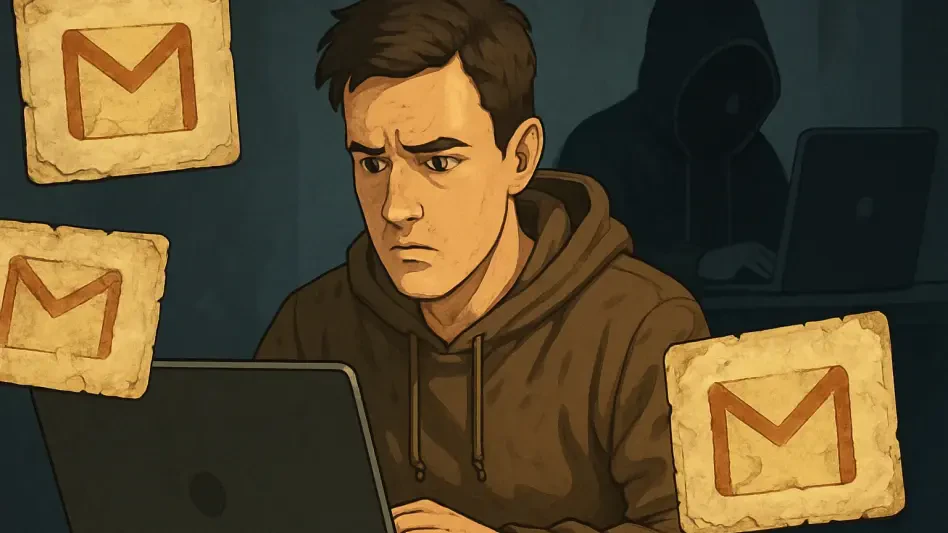
Engaging with unverified sellers also opens the door to identity theft and financial fraud on a much larger scale than the simple loss of an email account. Providing payment details or personal information to these vendors is inherently risky, as the transaction process itself can be a front for harvesting high-value financial data. Additionally, purchased accounts often contain malicious hooks, such as hidden forwarding rules or delegated access settings, which allow the seller to monitor the buyer’s incoming and outgoing communications long after the sale is complete. This type of silent interception is particularly dangerous for businesses that handle sensitive client information or proprietary data. The risk of being a victim of a secondary attack through the very account that was purchased for convenience makes the secondary market a hostile environment for anyone seeking to maintain a secure and private digital presence in 2026.
Security Realities: Moving Beyond Modern Myths
A prevalent misconception in the current digital landscape is that simply changing a password cleanses a purchased account of its previous risks. In reality, modern security signals involve much more than just a credential check, tracking primary device identifiers and original registration network addresses to ensure consistency. A decade-old account with weak security settings is far more vulnerable than a brand-new account protected by hardware-based authentication, proving that dynamic security practices always trump the mere age of a digital profile. Users who rely on the perceived strength of an old account often neglect the rigorous hardening required to prevent unauthorized access. This false sense of security is exactly what attackers exploit, as they look for accounts with a long history but outdated protection mechanisms. True safety is achieved through active management and modern protocols rather than chronological longevity.
To maintain a truly secure digital identity, experts recommend sticking to official account creation and rigorous hardening from the moment of inception. This includes using unique, high-entropy credentials that are managed through encrypted systems and enabling app-based or physical two-step verification. By managing recovery information personally and auditing account activity regularly, users can ensure they have absolute control over their professional communications, a level of certainty that is impossible to achieve when buying an account from an untrusted third party. Furthermore, focusing on building a legitimate sender reputation through consistent and high-quality interactions is the only way to ensure long-term deliverability. The transition to a security-first mindset involves recognizing that a clean and verifiable account history is the most valuable asset any digital professional can possess, regardless of how long the account has existed.
Future Strategies: Building a Sustainable Identity
The shift toward secure, officially registered accounts was driven by a growing awareness of the inherent instabilities in the secondary market. Digital professionals recognized that the temporary benefit of an aged profile did not justify the long-term risk of catastrophic data loss. As the ecosystem matured throughout 2026, the adoption of managed enterprise solutions became the standard for those requiring high-volume or high-authority communication channels. These platforms provided the necessary oversight and administrative control that purchased accounts lacked, ensuring that every interaction remained within the user’s authorized domain. The transition away from unverified vendors reflected a broader trend toward digital sovereignty, where ownership was not merely a matter of having a password but having a clear, verifiable chain of custody from the very first moment of creation. This realization fundamentally changed how agencies and freelancers approached their digital infrastructure.
Implementing a strict verification framework became the most effective solution for those who previously considered buying accounts. Users who successfully protected their reputations utilized hardware-based security keys and dedicated mobile authenticators to lock down their primary identities. The most successful strategies involved a proactive audit of all recovery information, ensuring that no legacy email addresses or phone numbers remained linked to their profiles. Furthermore, the integration of multi-layered authentication protocols proved more effective at maintaining deliverability than the chronological age of any specific account. Moving forward, the emphasis remained on building an authentic history through consistent, policy-compliant behavior rather than attempting to acquire a pre-existing reputation. This approach ensured that professional communications remained resilient against unauthorized access, providing a foundation for long-term growth and digital reliability in an increasingly scrutinized environment.