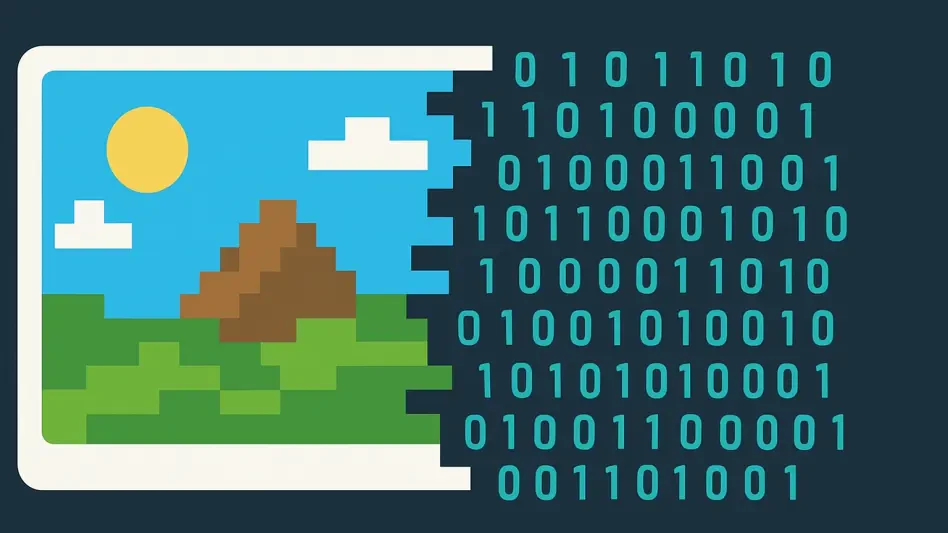
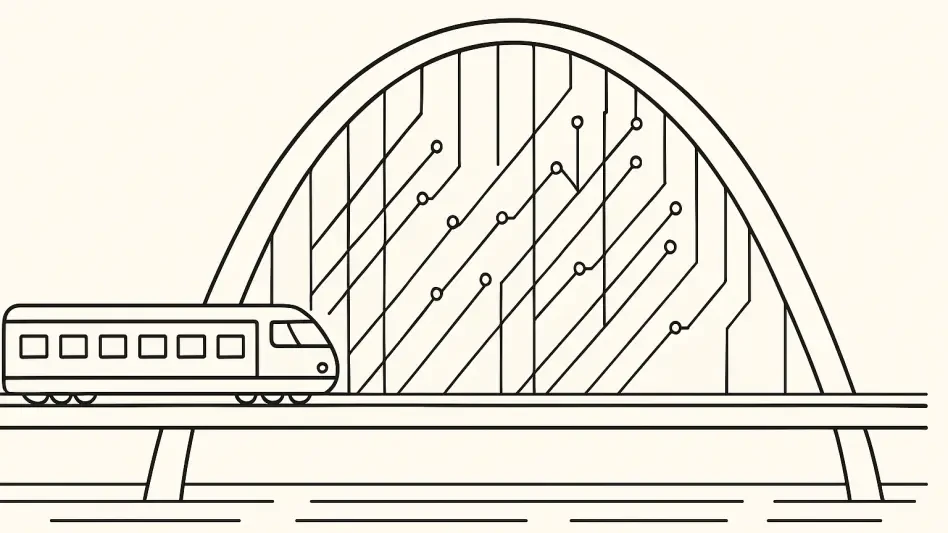
The silent hum of Tokyo’s automated rail systems often masks a complex digital battlefield where the invisible lines of code are now just as critical as the physical tracks beneath the trains. As Japan further integrates its transportation hubs with cloud computing and seamless payment ecosystems, the surface area for cyberattacks has expanded. This roundup examines how recent breaches at major transit entities have shifted the national conversation from physical safety toward digital fortification.
The High-Stakes Intersection: Digital Mobility and National Security
Japan’s transit networks are a marvel of surgical precision, yet their reliance on interconnected data ecosystems makes them attractive targets for global threat actors. The shift from physical sabotage to data exfiltration represents a turning point in how infrastructure resilience is defined by the state.
While passengers expect trains to arrive on time, they now must also trust that their digital footprints remain secure during every journey. This intersection of mobility and security requires a new paradigm where the protection of a commuter’s identity is as vital as the maintenance of the rails.
Unpacking the Modern Threat Landscape for Japanese Transportation
The modern threat landscape reveals that the periphery of a transit system is often its weakest point. Security experts note that hackers rarely attack locomotive controls directly because those systems are often air-gapped or heavily shielded from public networks.
Instead, attackers exploit the customer-facing applications and corporate intranets that are more easily accessible. This strategy allows them to bypass primary defenses and gain a foothold within the broader corporate ecosystem of the transit operator.
The Vulnerability of Loyalty: Lessons From the Tokyo Metro Breach
The breach of the “Metpo” loyalty program is a prime example of how secondary digital services can become primary entry points for attackers. By compromising 59,000 email addresses, hackers bypassed the walls of train signaling systems to target the users themselves.
This incident highlights a growing debate regarding the vulnerability of “soft” infrastructure. While the “iron” of train operations remains secure, the digital profile of the commuter is increasingly porous, creating risks of long-term phishing campaigns.
Ransomware and the Domino Effect: The Keio Corporation Incident
When the Keio Corporation was hit by ransomware, the immediate response was to sever internet connections to prevent further spread. This move successfully shielded train schedules but simultaneously crippled subsidiary operations like the Keio Plaza Hotel.
This illustrates the complex interdependencies within Japanese conglomerates where a single point of failure triggers a wide-scale blackout. It underscores the need for better isolation between critical transit controls and general administrative networks.
The Scale of Identity Risk: Assessing the Times Car Data Leak
The massive breach at Times Car, affecting up to 6.6 million individuals, shifts the focus toward the permanent threat of identity theft. The exfiltration of driver’s licenses represents a gold mine for social engineering that transcends simple financial fraud.
This event challenges the assumption that encrypted passwords provide sufficient defense. The loss of static personal identifiers creates a lifetime of vulnerability for the population and necessitates a radical rethink of how private transit firms store sensitive data.
Shifting Motives: Why Data Is the New Frontier of Sabotage
Emerging trends suggest that cybercriminals are prioritizing high-volume personal data over the direct sabotage of physical machinery. While stopping a train causes chaos, stealing the identities of millions provides a recurring revenue stream on the dark web.
This regional dynamic shows that Japanese infrastructure is being tested through a “slow-burn” erosion of digital trust. Future-proofing the sector requires moving toward a zero-trust architecture that assumes the network is already compromised.
Building Resilient Pathways: Strategic Defenses for Critical Systems
To secure the future of Japanese mobility, organizations must implement multi-layered defense strategies that prioritize the isolation of operational technology from information technology. This ensures that a breach in the office doesn’t affect the rails.
Key recommendations include the adoption of rigorous data minimization practices and AI-driven anomaly detection. Collaborative transparency and rapid public notification must also become industry standards to mitigate follow-on social engineering attacks.
Navigating the Future of Secure Transit in an Era of Persistent Threats
The recent attacks on Tokyo Metro, Keio, and Times Car served as a clarion call that physical safety must be matched by digital integrity. While the trains continued to run on time, the sanctity of passenger information remained in a precarious balance.
The evolution of these threats suggested that the next decade would be defined by the strength of encryption rather than the speed of the rails. Achieving true safety required a proactive, national strategy that treated data protection as a fundamental component of public transport safety.