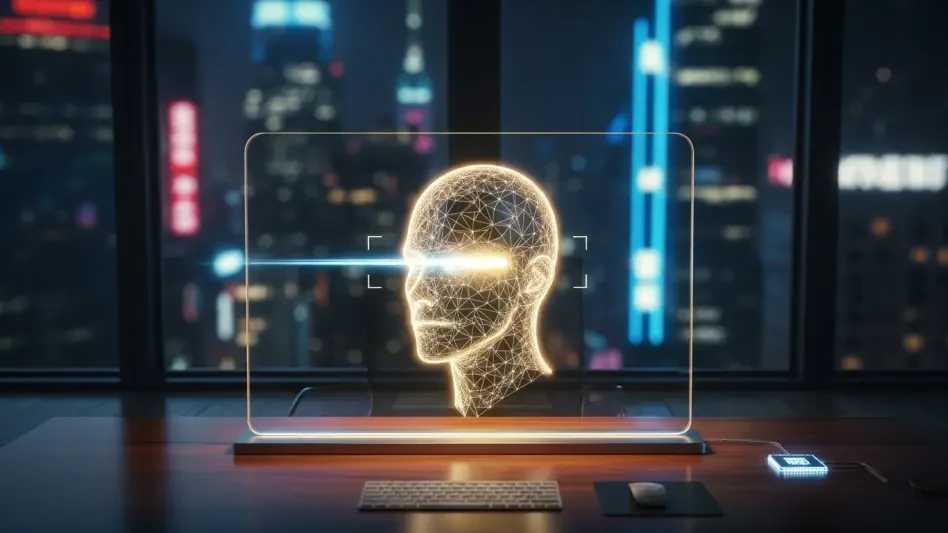
The digital landscape is currently witnessing a transformative shift where an individual’s voice and likeness are no longer merely personal traits but have become volatile assets vulnerable to high-speed algorithmic duplication. This evolution necessitates the Senate Judiciary Committee’s recent advancement of the “Nurture Originals, Foster Art, and Keep Entertainment Safe Act,” or NO FAKES Act. As generative artificial intelligence reaches a level of sophistication that challenges the very concept of authenticity, this bipartisan legislation seeks to anchor the volatile world of synthetic media within a predictable federal framework. By establishing a national standard for digital identity protection, the bill attempts to mitigate the risks of unauthorized exploitation while providing a foundation for the burgeoning digital twin economy. This move represents a critical juncture in how the legal system interprets human identity as a quantifiable and protectable resource in an age dominated by automation.
The Historical Trajectory: From Practical Effects to Algorithmic Replication
The journey toward federal intervention began as the decentralized nature of state-level “right of publicity” laws proved inadequate against the borderless reach of modern AI platforms. Historically, creating a realistic digital double was a labor-intensive process reserved for major cinematic productions with significant budgets and professional expertise. However, the democratization of high-fidelity generative tools has allowed almost anyone with basic internet access to generate professional-quality deepfakes in a matter of seconds. This technological shift has created a regulatory vacuum where creators and public figures find themselves increasingly defenseless against a new breed of identity theft that is both pervasive and difficult to trace.
Understanding this transition is essential for recognizing why a unified federal mandate is being prioritized over the fragmented legislative approach of the past. For decades, the legal protections for a person’s image and voice varied wildly from one jurisdiction to another, leading to confusion for both tech developers and performers. The recent explosion in consumer-grade AI tools has effectively ended that era of ambiguity, forcing a reckoning between the freedom to innovate and the right to maintain control over one’s own persona. As the industry moves further into a reality where synthetic media is indistinguishable from live-action footage, the need for a cohesive national policy has become a cornerstone of the modern digital economy.
Structural Analysis: Evaluating the Legal and Socioeconomic Framework
Digital Likeness: A New Frontier for Property Rights
At the core of the NO FAKES Act is the formalization of digital likeness as a robust property right, moving it beyond the realm of simple privacy concerns. The bill proposes that an individual’s digital persona be treated as a form of intellectual property that can be passed down to heirs and managed by estates for up to 70 years after their death. This alignment with traditional copyright durations ensures that a person’s legacy cannot be exploited by unauthorized AI-generated performances long after they have passed. For the entertainment industry, this creates a predictable market for posthumous appearances, though it also raises complex questions regarding the ethics of commercializing a human likeness in perpetuity.
Furthermore, the legislation introduces specific time-limited licensing structures designed to protect living performers from predatory contracts. Adults would be allowed to license their digital likeness for periods of up to 10 years, while minors would be restricted to 5-year agreements, ensuring that young talent is not permanently bound to digital likeness deals signed early in their development. By imposing high statutory damages, the bill seeks to create a significant financial deterrent against infringement, signaling to the tech sector that unauthorized replication carries a heavy price tag. This property-centric approach aims to stabilize the market by providing a clear legal path for legitimate licensing and monetization.
Constitutional Boundaries: Free Speech versus Identity Theft
While the bill has garnered support from major labor unions and medical associations, it has also sparked a rigorous debate regarding its impact on the First Amendment. Critics from the civil liberties sector warn that the legislation could inadvertently create a “Heckler’s veto,” where platforms over-censor content to avoid the risk of massive litigation. There is a concern that the threat of high financial penalties will lead technology companies to remove parody, satire, or news reporting that happens to use AI-generated likenesses. This tension highlights the difficulty of protecting an individual’s economic rights without stifling the creative freedom that has traditionally defined the American media landscape.
The debate centers on how to distinguish between malicious deepfakes and transformative artistic expression. Proponents argue that the bill includes necessary exemptions for documentaries, research, and parody, but legal experts remain divided on whether these safeguards are specific enough to prevent a chilling effect on speech. As the legislative process continues, the focus remains on refining these definitions to ensure that the law targets bad actors without inadvertently banning the next generation of digital satire. The outcome of this struggle will likely determine the boundaries of creative expression for the foreseeable future.
Regulatory Harmonization: Establishing a National Standard
The drive for federal legislation is also fueled by the need to resolve the complexities of regional regulatory disparities. States like Tennessee have already implemented local measures such as the “ELVIS Act” to protect vocal likenesses, and New York has introduced its own requirements for AI disclosures in advertising. However, because digital content moves instantly across state lines, these disparate rules create a logistical nightmare for national platforms and creators. The NO FAKES Act aims to replace this patchwork with a single, uniform standard that provides clarity for the entire country.
This move toward harmonization is seen as a way to provide the tech industry with the legal certainty required to invest in new media technologies. By establishing a federal floor for digital rights, the bill allows developers to build systems that are compliant with a single set of rules rather than 50 different ones. While some states may still seek to implement stricter protections, the federal framework provides the baseline necessary for the national market to function efficiently. Addressing these misconceptions about federal overreach is vital for securing the broad industry support needed to move the bill toward final passage.
Projecting the Technological and Regulatory Future
From late 2026 through the end of the decade, the market for digital replicas is expected to transition from a chaotic landscape into a highly regulated vertical of the global media sector. Technological trends suggest that cryptographic verification and mandatory AI watermarking will become standard features for any platform seeking to avoid the bill’s stiff penalties. We are likely to see the emergence of “likeness licensing” bureaus, which will function much like music royalty organizations, managing the rights and payments for digital doubles across various platforms. This infrastructure will be essential for ensuring that the economic benefits of AI stay with the individuals being replicated.
Economically, the legislation could catalyze the growth of a legitimate market for synthetic labor, where actors and influencers lease their “digital twins” for specific, high-value projects. Expert predictions suggest that as the United States formalizes these protections, other nations will likely follow suit to ensure their own creative industries remain competitive. This global shift will necessitate international cooperation on digital rights standards, eventually leading to trade agreements that treat digital likeness as a protected class of asset. The resulting environment will be one where authenticity is verified by code and protected by a robust federal mandate.
Operational Strategies: Adapting to a Regulated AI Environment
For enterprises and individual creators, the advancement of this legislation necessitates a proactive shift in how digital rights are managed. Organizations involved in marketing, film, or software development must begin auditing their AI usage to ensure that all generated content is backed by explicit consent and proper documentation. Implementing clear internal protocols for the verification of digital likenesses will be the most effective way to mitigate the risk of high-cost litigation. For individuals, particularly those in the public eye, the priority lies in securing their digital rights through professional management and clear contractual boundaries.
Best practices for navigating this new era include the use of blockchain-based attribution to track the usage of one’s digital twin and staying informed on the evolving case law surrounding “transformative use.” As federal courts begin to interpret the NO FAKES Act, the definitions of what constitutes an unauthorized replica will be refined, and businesses must be ready to pivot their strategies accordingly. For minors and their guardians, understanding the five-year licensing caps is essential for preventing the long-term loss of digital autonomy. Staying ahead of these regulatory changes will be the defining factor for success in the emerging synthetic media economy.
Establishing a Sustainable Framework for Digital Autonomy
The legislative push for the NO FAKES Act represented a critical milestone in the journey to define digital personhood in a rapidly evolving technological era. It offered a definitive blueprint for how modern societies balanced the protection of individual assets with the necessity of maintaining a free and open creative landscape. Stakeholders realized that the most effective path forward involved a combination of legal deterrents and technical watermarking standards to ensure transparency. These initiatives worked to keep the human element central to the creative economy as it transitioned into a primarily digital format.
Ultimately, the focus shifted toward developing universal technical standards that allowed for the real-time detection and labeling of AI-generated content. This systematic approach ensured that the marketplace for human creativity remained both vibrant and verifiable for consumers and professionals alike. By establishing these boundaries, the legal system provided the stability needed for innovation to flourish without sacrificing the fundamental rights of the individual. The legacy of this legislation was found in its ability to protect the authenticity of the human voice, ensuring that the future of communication remained grounded in genuine human expression. Throughout this transition, the emphasis remained on fostering an environment where technology served as a tool for empowerment rather than a mechanism for exploitation.