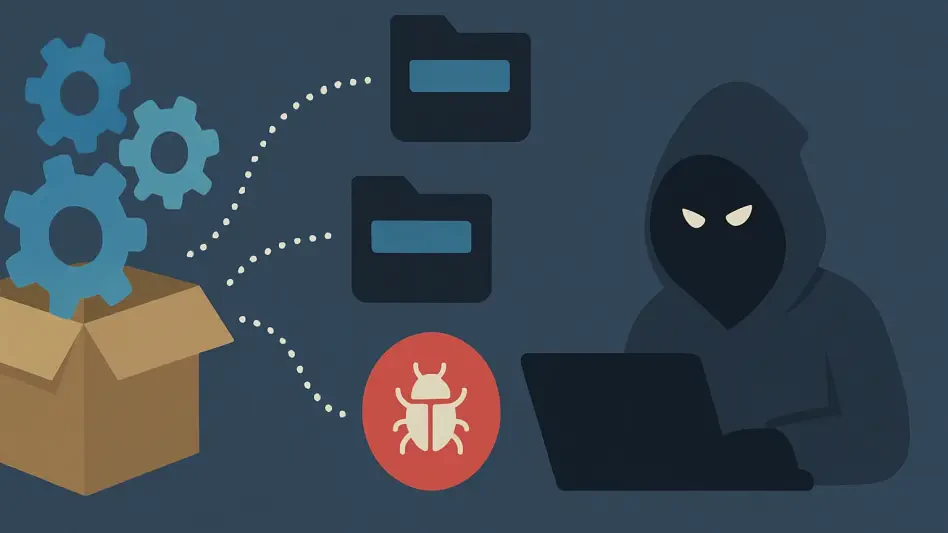

The modern cybercriminal underworld has transformed from a chaotic bazaar of independent hackers into a streamlined, corporate-style hierarchy where efficiency dictates survival above all other metrics. This transition marks a departure from the high-volume, low-skill fragmentation of previous years, moving instead toward a structured ecosystem dominated by a few elite syndicates. The core focus of recent research centers on this unexpected consolidation, exploring how market pressures and law enforcement actions have forced smaller players into obsolescence while empowering resilient titans. This study addresses the paradox of why the total number of ransomware groups is shrinking even as the severity and frequency of successful exploitations reach unprecedented levels.
Researchers have sought to identify the mechanisms behind this market monopolization, specifically looking at how talent migration and infrastructure stability drive the success of groups like Qilin and LockBit. The central challenge addressed by this investigation is the increasing difficulty of defending against an adversary that has industrialized its operations. By examining the shift from a decentralized “wild west” of cybercrime to a consolidated cartel-like structure, the study provides a roadmap for understanding the current threat. It asks whether this consolidation makes the threat landscape more predictable for defenders or if the concentration of power merely creates more formidable, well-funded opponents capable of bypassing advanced security frameworks.
Examining the Shift Toward Ransomware Market Monopolization
The current era is defined by a significant reversal of the long-standing trend of ransomware fragmentation that characterized the early part of the decade. Historically, the barrier to entry for ransomware-as-a-service (RaaS) was low, leading to a proliferation of hundreds of minor actors with varying levels of competence. However, the first half of 2026 has witnessed a sharp decline in the number of active groups, dropping from a peak of 85 down to 71. This shift indicates a maturing market where the “flight to quality” is the dominant force, as affiliates and initial access brokers seek out the most stable and reputable platforms to ensure their own illicit profitability.
This monopolization is most evident when examining the concentration of victim tallies. Currently, the top ten ransomware operations account for over 70% of all recorded victims globally, a level of dominance not seen since the height of the Conti syndicate’s power. This centralization is not accidental; it is a calculated response to a more hostile operating environment where small, unorganized groups struggle to maintain the necessary infrastructure to avoid detection. The consolidation allows for better resource allocation, more sophisticated encryption tools, and a professionalized approach to negotiation that smaller, more volatile groups simply cannot replicate.
Moreover, the consolidation of the market has led to a more disciplined approach to data extortion. When the market was fragmented, many “script kiddie” operations would inadvertently destroy victim data due to faulty encryption algorithms, which severely damaged the credibility of the ransomware business model. In contrast, the current leaders of the market prioritize operational integrity, ensuring that payment actually results in data recovery or the prevention of a leak. This professionalization has essentially created a “corporate” standard for cybercrime, where the reputation of the ransomware brand is as important as the malware itself.
Contextualizing the 2026 Cyber Threat Landscape
The importance of this research lies in its ability to highlight the changing nature of corporate risk in a world where data is the most valuable commodity. As ransomware groups move away from simple system disruption and toward deep data extortion, the stakes for organizations have shifted from operational downtime to long-term legal and reputational ruin. This research is vital for stakeholders and policymakers because it identifies the sectors that are most at risk under this new consolidated regime. The findings suggest that the threat is no longer a random occurrence but a targeted, industrialized process that exploits specific economic vulnerabilities within global supply chains.
The broader relevance of these findings to society cannot be overstated, particularly as critical infrastructure becomes a frequent target of specialized groups. While some operators claim to avoid healthcare or utility sectors to minimize law enforcement heat, others have leaned into these high-pressure targets, knowing that the urgency of the situation increases the likelihood of a payout. Understanding the strategic shifts in 2026 allows for a more proactive defense posture, moving beyond reactive patching toward a more holistic view of how cyber syndicates select their targets and manage their “portfolios” of victims.
Furthermore, the research provides context for the diminishing returns seen in traditional ransomware methods. As payment rates among victims continue to decline due to better backup strategies and legal restrictions, the surviving ransomware groups are forced to innovate. This evolution has led to a landscape where the theft of sensitive data is often more lucrative than the encryption of the systems themselves. By contextualizing these trends, the study provides a clear picture of an adversary that is not only persistent but also highly adaptive to the economic realities of the modern digital economy.
Research Methodology, Findings, and Implications
Methodology
The methodology for this investigation relied on a multi-layered approach to data collection, focusing primarily on the monitoring of data leak sites and underground communication channels. Analysts tracked the activity of 71 distinct ransomware groups over a six-month period, categorizing victims by industry, geography, and the specific strain of malware used. By scraping and analyzing the metadata from thousands of entries on these leak sites, the research team was able to reconstruct the operational volume of each group and identify patterns of growth or decline that would otherwise remain hidden behind the veil of the dark web.
In addition to leak site analysis, the research incorporated telemetry from incident response engagements and collaborative intelligence sharing with international cybersecurity organizations. This provided a “ground-truth” perspective that balanced the public claims made by ransomware groups on their blogs with the actual experiences of victimized organizations. Advanced statistical modeling was then used to adjust for anomalies, such as mass-exploitation events involving single-day vulnerabilities, which can often skew the data and create a false sense of activity volume for certain groups.
The study also utilized forensic analysis of the latest malware iterations, such as LockBit 5.0 and Nightspire’s cloud-encryption modules. By examining the code and the supporting infrastructure—such as command-and-control servers and negotiation portals—researchers could determine the level of technical sophistication and the degree of resource sharing occurring between supposedly rival groups. This comprehensive approach ensured that the findings were based on a holistic view of the ecosystem rather than isolated data points.
Findings
The most significant discovery of the research is the remarkable resilience of the ransomware sector despite intense international pressure. While the number of active groups decreased, the actual count of victims remains near record highs, with over 2,100 organizations compromised in the most recent quarter. This suggests that the remaining groups have significantly increased their operational efficiency. Qilin, for instance, has emerged as the undisputed leader, with an output that rivals the combined activity of dozens of smaller competitors, proving that scale is a decisive factor in the current market.
Another key finding involves the rise of “The Gentlemen,” a breakout group that saw a 315% increase in activity by focusing on a specific set of unpatched vulnerabilities in networking hardware. Their success highlights a shift toward technology-driven targeting, where geography is less important than the presence of specific, exploitable software versions. This strategy allowed them to rapidly penetrate markets in Southeast Asia and South America that were previously overlooked by larger, US-centric operations. It signals a move toward a more globalized threat where no region is safe from highly specialized exploitation.
The research also uncovered a growing trend of “closed-group” operations like Nightspire and Play, which shun the traditional affiliate model in favor of smaller, more tightly controlled teams. These groups have shown a high success rate by specializing in niche areas, such as cloud-native encryption and the exploitation of OneDrive environments. Their growth indicates that while the market is consolidating, there is still room for specialized players who can offer unique capabilities that the larger RaaS platforms might lack.
Implications
The practical implications of these findings for cybersecurity professionals are profound, necessitating a shift away from generic defense strategies toward intelligence-led security. Since a small number of groups are responsible for the vast majority of attacks, defenders can prioritize their resources by studying the specific tactics, techniques, and procedures (TTPs) of these dominant actors. Knowing that a group like Akira focuses heavily on sectors with high downtime costs, such as manufacturing, allows organizations in those industries to tailor their incident response plans to the most likely threat scenarios they will face.
Theoretically, the research challenges the notion that law enforcement “takedowns” are an effective long-term solution to the ransomware problem. Instead of eradicating the threat, these actions often accelerate the process of consolidation by weeding out the weakest players and forcing the survivors to improve their operational security. This suggests that the cybercrime ecosystem follows a biological model of evolution, where pressure leads to more resistant and more capable “super-strains” of criminal organizations. This realization should prompt a re-evaluation of how international authorities measure the success of their counter-cybercrime initiatives.
Societally, the findings suggest that the era of “pure” ransomware is ending, replaced by a more complex landscape of industrialized extortion. Organizations must now prepare for a reality where their data will likely be stolen before it is encrypted, making traditional backups only one part of a much larger defense strategy. The legal and regulatory implications are equally significant, as the professionalization of these groups makes it easier for them to navigate—and exploit—the reporting requirements and privacy laws of different jurisdictions, further complicating the recovery process for victims.
Reflection and Future Directions
Reflection
The process of conducting this research revealed the inherent difficulties in maintaining visibility within an increasingly opaque threat landscape. One of the primary challenges was the rise of private negotiations, where victims pay ransoms before they are ever listed on a data leak site. This means that while the recorded victim counts are high, they likely represent only a fraction of the total activity. Overcoming this required a heavy reliance on secondary indicators, such as shifts in cryptocurrency wallet activity and the movement of known initial access brokers between different group infrastructures.
Reflecting on the findings, it is clear that the study could have been expanded by including a deeper analysis of the financial flows behind these consolidated groups. While we understand who is attacking whom, the exact mechanisms by which these groups launder their proceeds and reinvest in new technology remain somewhat obscured. The resilience of LockBit, despite multiple attempts to dismantle its brand, serves as a sobering reminder that the infrastructure of cybercrime is much deeper and more decentralized than the public-facing websites suggest.
There is also a sense that the research has only scratched the surface of how artificial intelligence is being integrated into the ransomware lifecycle. While we observed more efficient targeting and faster exploitation, the degree to which these processes are fully automated is still a matter of debate. The study successfully mapped the structural changes in the market, but the underlying technological drivers of these changes will require even more granular investigation in the coming months to fully grasp the speed at which these groups are evolving.
Future Directions
Looking ahead, the next phase of research should focus on the intersection of ransomware and geopolitical influence. As groups become more consolidated and powerful, the potential for them to be used as proxies for state-sponsored activity increases. Investigating the links between dominant ransomware cartels and national intelligence services could provide critical insights into how cybercrime is being used as a tool of asymmetric warfare. This is a crucial area of inquiry that remains largely unexplored in current academic and industry literature.
Another fruitful area for future exploration is the development of predictive modeling for ransomware targets. By combining the technology-driven targeting data seen with groups like The Gentlemen with economic indicators of various industry sectors, it may be possible to forecast which industries will be the focus of the next mass-exploitation campaign. Moving from a reactive to a predictive posture is the ultimate goal for the cybersecurity community, and the consolidation of the threat landscape actually makes this more feasible by reducing the number of variables in the equation.
Finally, there is a need to study the long-term impact of the “extortion-only” model on corporate insurance and legal frameworks. As encryption becomes less common and data theft becomes the primary lever for payment, the way organizations value their data and insure against its loss must change. Future research should examine how these shifts in criminal strategy are influencing the business of risk management, potentially leading to new standards for data protection and incident reporting that are better suited for the 2026 threat environment.
The Future of Industrialized Extortion
The research concluded that the ransomware landscape has entered a phase of mature industrialization, characterized by a leaner, more efficient group of operators. The investigation showed that the reduction in the number of active syndicates did not result in a safer environment; instead, it produced a more concentrated and potent threat. The data confirmed that the top ten groups now command the vast majority of the market, using their significant resources to professionalize their operations and focus on high-value data theft. This shift represented a fundamental change in the “business model” of cybercrime, moving away from the chaotic fragmentation of previous years.
The findings highlighted how groups like Qilin and the resurgent LockBit 5.0 set new standards for operational consistency, making it harder for traditional defense mechanisms to keep pace. The study proved that geographical boundaries are becoming less relevant as groups increasingly target victims based on their software vulnerabilities rather than their physical location. This technological evolution allowed breakout groups to achieve massive growth in a very short period, demonstrating that agility remains a key asset even in a consolidated market. The research was successful in mapping these dynamics and providing a clear picture of an adversary that has become a permanent, industrialized fixture of the global economy.
Ultimately, the study provided a perspective that the future of defense lies in collaboration and the sharing of high-fidelity intelligence. It was established that the professionalization of ransomware requires an equally professionalized response from the global community. Organizations were encouraged to look beyond the immediate threat of encryption and address the broader risks associated with persistent data extortion. As the ecosystem continues to evolve, the insights gathered during this period served as a critical foundation for developing more resilient security architectures. The work performed has laid the groundwork for a more nuanced understanding of how power is concentrated and wielded in the digital underground, offering a path forward for those tasked with protecting the world’s most sensitive information.