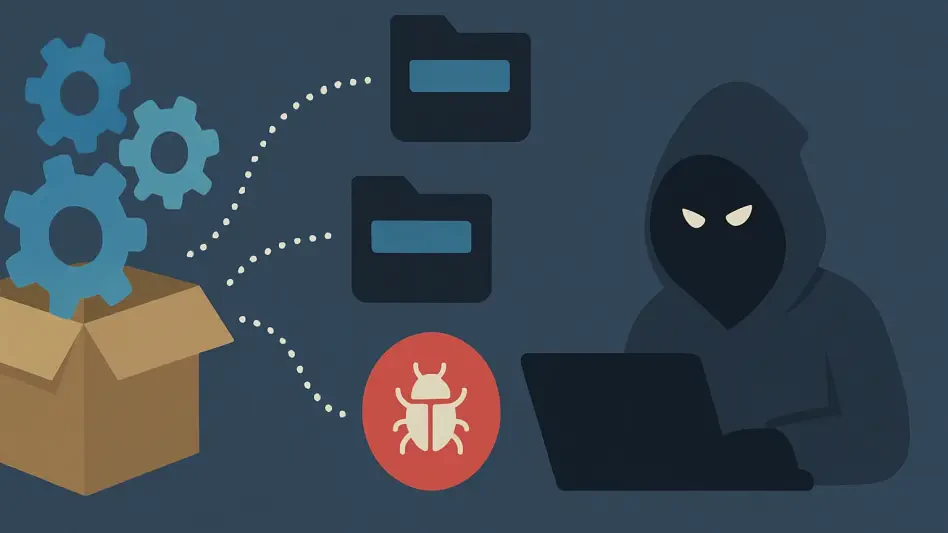

The digital corridors of corporate America have inadvertently become a clandestine playground for state-sponsored operatives who exploit the trust inherent in the modern remote work environment to fund forbidden activities. The rise of remote work has fundamentally transformed the global economy, offering unprecedented flexibility for both employers and staff. However, this digital shift has also opened a backdoor for sophisticated international espionage and financial fraud. National security agencies are currently sounding the alarm on a deceptive practice known as laptop farming, where domestic facilitators help foreign operatives infiltrate American companies. This investigation highlights how North Korean IT workers use these domestic proxies to bypass security protocols and funnel millions of dollars into sanctioned programs. Understanding this evolution is crucial for businesses that now face the reality of “malicious insiders” operating under the guise of legitimate domestic hires.
A Chronological Breakdown of the Laptop Farm Epidemic
2020 to 2023. The Rise of Taggcar and Initial Infiltration
During this period, the logistical framework for these schemes began to solidify through domestic intermediaries. Erick Ntekereze Prince, operating through his company Taggcar, established a pipeline that allowed North Korean operatives to appear as if they were working from New York. By hosting corporate laptops and installing remote desktop software, Prince enabled overseas workers to bypass geographic restrictions and security checks. This phase of the operation was characterized by its scale, as Prince successfully placed workers at dozens of American firms, demonstrating the vulnerability of traditional background checks in the remote era.
July 2022 to August 2023: The Nashville Node and Financial Siphoning
While other operations were already underway, Matthew Isaac Knoot launched a separate but similar scheme out of Nashville. Knoot utilized his residence to host hardware for North Korean IT workers, creating a digital smokescreen that made them appear to be local employees. This year-long stint was particularly focused on the financial extraction aspect of the fraud. During this time, Knoot facilitated the transfer of hundreds of thousands of dollars to accounts linked to North Korean and Chinese interests, illustrating how individual domestic facilitators serve as the critical infrastructure for the regime’s revenue generation.
August 2023 to Early 2024: Investigations and Evidence Destruction
As federal authorities intensified their scrutiny of suspicious remote work patterns, the facilitators moved into a defensive posture. Following the discovery of his activities, Matthew Knoot attempted to obstruct the Federal Bureau of Investigation by destroying physical evidence and providing false statements to agents. Meanwhile, the full scope of Erick Prince’s involvement became clear, revealing that his operation had touched sixty-four different U.S. companies. This period marked the transition from active fraud to federal apprehension as the Department of Justice began piecing together the network of laptop farms across the country.
Late 2024: Federal Sentencing and Policy Ramifications
The culmination of these investigations resulted in significant legal consequences for the American facilitators. In late 2024, both Knoot and Prince were sentenced to eighteen-month prison terms for their roles in compromising national security. The courts also mandated the forfeiture of illicit profits, such as the thousands of dollars Prince earned in commissions. These sentencings represent a pivotal moment in the government’s strategy to deter domestic citizens from participating in these schemes, signaling that the “laptop farm” model is now a primary target for federal law enforcement.
Analyzing the Patterns of Modern Corporate Infiltration
The cases of Knoot and Prince revealed several overarching themes in the evolution of cyber-enabled fraud. Most notably, these events highlighted a shift from purely external hacking to a “malicious insider” strategy where the attacker was a seemingly productive member of the corporate team. The success of these schemes relied on a combination of identity theft, forged documentation, and domestic technical support. A significant pattern identified by federal officials was the use of remote desktop software to mask IP addresses, which remains a primary gap in many corporate security frameworks. Furthermore, the sheer volume of companies affected—including Fortune 500 entities—suggested that no industry was immune to this type of state-sponsored infiltration.
Beyond the Fraud: Identifying Red Flags and Global Implications
The broader implications of these laptop farms extended far beyond simple employment fraud; they represented a direct pipeline for funding totalitarian military goals. Experts suggested that the revenue generated by these IT workers was a vital source of hard currency for North Korea, helping the regime evade international sanctions. To combat this, companies were encouraged to adopt more rigorous identity verification processes, such as requiring in-person equipment setup or using advanced biometric authentication. Common misconceptions often suggested that these threats only targeted tech giants, but regional differences showed that facilitators often set up shop in mid-sized cities to avoid the intense scrutiny found in major tech hubs. As the tactics of these operatives continued to emerge, the focus shifted from reactive prosecution to proactive detection within the hiring process itself.