The next major catastrophe threatening the stability of the American power grid might not arrive through a digital backdoor or a physical explosion but rather through the mundane stroke of a pen on a corporate merger agreement. This sobering reality has prompted the Idaho National Laboratory (INL) to develop a revolutionary analytical framework designed to uncover “blind spots” where boardroom decisions intersect with national security. In 2026, as infrastructure becomes increasingly digitized and globalized, the focus of defense is shifting from blocking code to scrutinizing the very entities that own the wires and pipes.
The High Stakes of the Signed Contract
Modern defense strategies often obsess over preventing malware or physical sabotage, yet a legal acquisition can grant an adversary more control than any virus ever could. This shift marks a transition where the primary security threat stems from strategic corporate maneuvers that bypass traditional digital perimeters entirely. When an overseas entity acquires a stake in a domestic utility provider, they often gain access to sensitive operational data or decision-making power under the guise of legitimate business operations.
Traditional infrastructure defense has long ignored these administrative pathways, focusing instead on hard-coded security patches and physical barriers. This oversight creates a vulnerability where a single signature can compromise a regional energy network as effectively as a coordinated cyberattack. By identifying these organizational weaknesses, security experts now recognize that the most sophisticated threat to resilience is sometimes the ownership structure of the service itself.
The Evolution of Risk in an Interconnected Global Economy
Cybersecurity remains essential, but the limitations of focusing solely on firewalls are becoming increasingly apparent in a globalized marketplace. Strategic appointments and foreign investments are now used as tools of statecraft, creating subtle vulnerabilities that accumulate over time across the energy sector. These influences are often too gradual to trigger standard security alarms, yet their cumulative effect on essential national services can be devastating if an external power decides to exert its leverage during a crisis.
The tension between pursuing economic growth and maintaining long-term national security has reached a critical boiling point in recent years. While foreign capital often fuels innovation and infrastructure modernization, it can also act as a conduit for unwanted external influence. Balancing these competing interests requires a deeper understanding of how economic interconnectedness might inadvertently strip a nation of its domestic sovereignty over critical utility sectors.
Inside TOPGEAR: A Multi-Layered Approach to Socio-Technical Mapping
The Technology, Organization and Person of Interest Graph Extraction, Analysis and Reporting tool, known as TOPGEAR, provides a unique vantage point for defense. By aggregating data from the Securities and Exchange Commission (SEC) and the Energy Information Administration (EIA), the system builds a comprehensive map of the corporate landscape. This data fusion allows analysts to see beyond simple balance sheets to identify who truly pulls the levers of power within a specific utility provider.
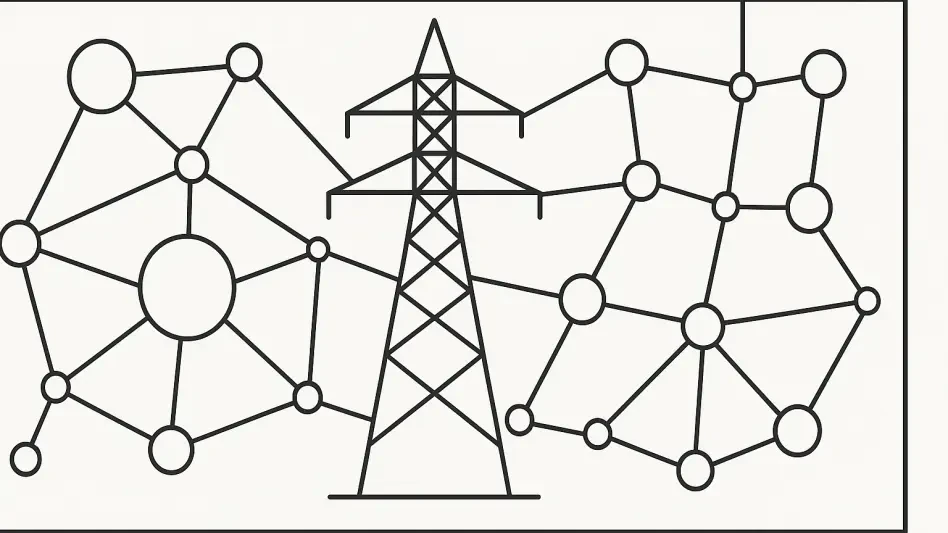
The system analyzes three distinct layers: the social layer, the infrastructure layer, and the cross-layer influence network. The true innovation lies in the ability to trace direct influence paths from a single individual or parent organization all the way down to physical assets like power substations. This capability exposes hidden correlations between corporate boardrooms and the hardware that keeps the lights on, providing a transparency that was previously impossible.
Collaborative Intelligence and Adversarial Perspectives
Distinguished researcher Gabriel Weaver and his team at INL collaborated with the Naval Postgraduate School to model how opponents exploit business relationships. This partnership shifted the focus from purely defensive research toward an adversarial mindset, allowing the team to anticipate how a rival power might weaponize a supply chain or an investment portfolio. Such insights were vital for moving the tool from a laboratory concept into a functional asset used by the Department of Homeland Security and the Department of Energy.
Support from the Department of Energy’s Energy I-Corps program further facilitated the expansion of this technology into commercial and state-level utility management. The transition ensured that regional energy offices could access the same sophisticated modeling used at the federal level to protect their local grids. By integrating diverse perspectives from military and civilian researchers, the project established a unified front against non-traditional threats to the domestic energy supply.
Strategies for Identifying and Mitigating Organizational Influence
Applying data-driven network analysis allows state energy offices to vet potential partners and investors with unprecedented precision. These offices now utilize technical assistance to identify suspicious patterns in regional sectors before they become entrenched vulnerabilities. Establishing transparency in the supply chain is particularly urgent as business decisions are accelerated by artificial intelligence, which can often obscure the true origin of capital and intent.
Decision-makers require a structured framework to evaluate the security implications of corporate influence without stifling necessary economic activity. By implementing these analytical tools, the energy sector has fostered a culture of vigilance regarding the identity of stakeholders and their long-term objectives. This approach ensures that transparency becomes a prerequisite for participation in the critical infrastructure market, effectively hardening the organizational perimeter against foreign interference.
The implementation of these advanced mapping tools provided a necessary shield against the quiet erosion of national control over vital systems. Authorities prioritized the integration of socio-technical analysis into every major infrastructure contract review to prevent hidden vulnerabilities from taking root. These efforts established a new standard for corporate transparency that successfully balanced the needs of a global economy with the imperatives of sovereign security. Through consistent monitoring and inter-agency cooperation, the nation secured its critical networks against the subtle influence of foreign entities.