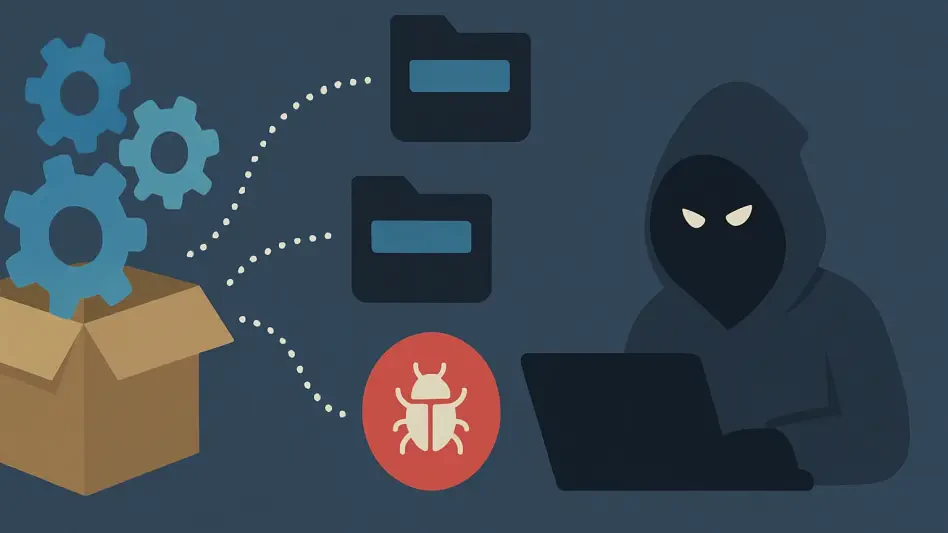
The traditional boundary separating digital networks from physical machinery has effectively evaporated, leaving global critical infrastructure vulnerable to a new breed of highly targeted operational sabotage. In the current industrial climate, the primary objective of many sophisticated threat actors has shifted from the quiet theft of intellectual property to the visible disruption of essential services that sustain modern society. This evolution marks a turning point where a single successful breach of a corporate network can manifest as a literal freeze in the food supply chain or a potential blackout at a power generation facility. As organizations integrate more sensors and remote monitoring tools into their physical assets, the attack surface expands, creating a complex web where software vulnerabilities directly translate into mechanical failures. This convergence demands a fundamental reassessment of what it means to be secure, moving beyond the protection of data to the preservation of physical continuity and public safety in an increasingly volatile landscape.
Case Studies in Operational Disruption
The Impact on Cold Chain Logistics and Supply Networks
The recent security event involving Japan’s Nichirei Corporation serves as a stark reminder of how digital containment strategies can trigger immediate physical consequences for the general public. When the organization detected a breach within its network, the decision was made to execute a total system shutdown to prevent the spread of the intrusion across its diverse operational segments. While this action was successful from a data protection standpoint, it resulted in an immediate and total freeze of vital food shipments throughout the nation. This proactive isolation strategy highlights the precarious balance that modern logistics providers must maintain between protecting their information and keeping the physical world moving. For refrigerated warehouses and delivery fleets, a digital emergency translates into a bottleneck that impacts every level of the supply chain, from the primary producer to the local retailer, demonstrating that a firewall breach is no longer just a virtual concern.
Moreover, this incident clarifies a developing trend where the loss of system availability is considered far more damaging to the economy than the potential theft of private corporate data. A major logistics hub functions as the circulatory system for modern commerce, and any interruption in its ability to process orders or manage inventory creates a ripple effect that touches nearly every sector. Restaurants, manufacturers, and grocery stores that rely on just-in-time delivery models find themselves paralyzed when the digital tools used to track and move goods are taken offline. Consequently, industrial organizations are being forced to rethink their internal risk assessments to prioritize operational resilience over traditional cybersecurity metrics. The ability to maintain physical functionality during a total network outage is becoming the new gold standard for infrastructure defense, requiring a shift in focus toward systems that can operate independently of a centralized digital brain.
The Cascading Effects of System Availability Failures
Transitioning from information theft to service interruption has become a primary tactic for those seeking to cause maximum societal impact with minimal digital effort. When a centralized management platform is compromised, the easiest way for an attacker to cause damage is simply to force a shutdown of the underlying control systems. In many industrial environments, the protocols for responding to a cyberattack are often rigid, leading to manual shutdowns that are just as disruptive as the attack itself. This tactical reality means that defenders must now design systems that can isolate compromised segments without bringing the entire operation to a halt. The challenge lies in the deep interconnectedness of modern industrial internet of things devices, which often lack the granularity required for surgical isolation. Without these capabilities, the response to a digital threat will continue to produce physical outcomes that are indistinguishable from a direct mechanical strike.
Furthermore, the economic consequences of these disruptions are prompting a shift in how insurance companies and government regulators view industrial security. It is no longer sufficient to secure the perimeter; there is an urgent need to ensure that the core physical processes can survive a breach of that perimeter. This has led to the adoption of segmented architectures where the most critical mechanical functions are separated by hardware-enforced unidirectional gateways. These devices allow data to flow out for monitoring but prevent any external digital signals from reaching the machinery itself. By implementing such rigorous physical barriers, companies are attempting to decouple their mechanical operations from the inherent risks of their administrative networks. This strategy aims to prevent a scenario where a simple phishing email in the accounting department could lead to the failure of a cooling system in a distant distribution center or a manufacturing plant.
The Rise of Physical Reconnaissance
Blueprint Leaks and the Threat to Energy Infrastructure
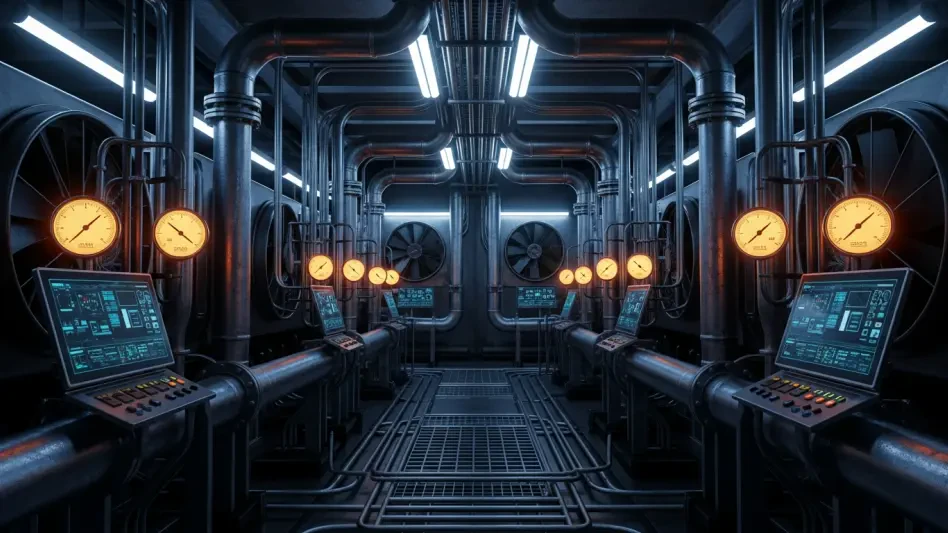
The exposure of facility blueprints and control room layouts at India’s Kudankulam Nuclear Power Plant highlights a sophisticated shift toward physical reconnaissance in the cyber domain. While the core reactor systems remained uncompromised in this instance, the leak of ventilation designs and cooling system layouts via a third-party contractor provided a detailed roadmap of the facility’s architecture. This type of information is invaluable to an adversary because it reveals the mechanical dependencies and physical vulnerabilities that are often invisible from a purely digital perspective. By studying the physical layout of a secure site, attackers can identify specific hardware components that, if manipulated, would lead to a catastrophic failure of the entire system. This leak underscores the reality that the extended supply chain remains a primary vulnerability for even the most secure industrial sites, as subcontractors often possess high-level access to sensitive structural data.
This specific incident signals a tactical pivot where threat actors act more like industrial engineers than traditional hackers, meticulously studying the physical environment before launching an attack. Instead of looking for software bugs in a vacuum, they are searching for ways to use the existing mechanical logic of a facility against itself. For example, understanding the precise location and function of a ventilation system allows an attacker to predict how heat will build up if certain fans are disabled, potentially leading to equipment failure without ever touching the primary control software. This “consequence-aware” approach to warfare makes it necessary for industrial defenders to adopt a new mindset focused on zero-impact validation. This involves using virtual twins to simulate physical failures in a safe environment, allowing engineers to predict how a digital breach might manifest in the physical world and to develop mechanical safeguards that can mitigate those specific risks.
Engineering-Centric Tactics in Modern Cyber Warfare
The rise of engineering-centric tactics has fundamentally changed the requirements for protecting critical infrastructure from remote interference and local sabotage. Traditional security teams are now being joined by mechanical and electrical engineers to create a unified defense that accounts for the laws of physics as much as the logic of computer code. This collaboration is essential because many industrial assets were designed with the assumption that physical access would be the only way to cause significant damage. Now that these systems are connected to global networks, the physical safeguards that once seemed adequate are being bypassed by attackers who understand the mechanical nuances of the equipment. This has led to a renewed interest in hardwired interlocks and analog gauges that provide a source of truth that cannot be falsified by a compromised digital interface, ensuring that operators always have an accurate view of the physical state.
In addition to physical safeguards, there is a growing emphasis on the use of behavioral analytics to detect when a machine is being forced to operate outside its normal parameters. Unlike traditional antivirus software that looks for known malicious code, these systems monitor things like vibration, temperature, and power consumption to identify anomalies that might indicate a cyber-physical attack. If a pump begins to operate at a frequency that is technically allowed by the software but is known to cause mechanical fatigue over time, the system can flag it as a potential security breach. This level of oversight requires a deep understanding of the specific industrial processes at play, as well as the ability to process vast amounts of sensor data in real time. By integrating these physical measurements into the broader security framework, organizations can build a more comprehensive defense that is capable of detecting the subtle signs of a consequence-aware adversary before damage occurs.
Synthesizing New Defensive Strategies
Addressing Third-Party Risks and Material Exposure
The industrial ecosystem is only as strong as its weakest link, which in the modern era is almost always a third-party contractor or service provider with access to sensitive data. As evidenced by recent infrastructure leaks, the security of a facility is no longer contained within its own walls but is spread across a vast network of partners who handle everything from maintenance to structural design. To combat this, security protocols must now extend beyond the internal network to include every partner that has access to logistical schedules or structural blueprints. This involves not only technical audits of their cybersecurity practices but also strict controls over how physical data is stored and shared. Identifying these material exposures before they can be exploited by an adversary has become the new standard for protecting global infrastructure, requiring a level of transparency and cooperation between companies that was previously unseen.
Furthermore, the focus on third-party risk has led to the implementation of more rigorous data lifecycle management policies that track who has access to specific architectural details at all times. Companies are increasingly using secure document management systems that can revoke access to blueprints or technical manuals once a contract is completed. This ensures that sensitive information does not sit on the poorly secured servers of a subcontractor indefinitely, where it could be harvested by a sophisticated threat actor. Additionally, many organizations are now requiring their partners to undergo regular security training that is specific to the industrial sector, emphasizing the physical consequences of a digital breach. By fostering a culture of security awareness throughout the entire supply chain, the industry can reduce the likelihood that a minor contractor will unknowingly become the entry point for a major attack on critical infrastructure.
Establishing Resilience Through Manual Process Intelligence
True resilience in the current environment depends on a holistic understanding of how digital disruptions impact physical services and the ability to maintain those services when technology fails. Organizations moved toward the development of manual workarounds and analog fallback procedures that allowed them to survive extended digital outages without losing core functionality. This strategy required a detailed inventory of every mechanical process and the creation of a secondary control layer that could be operated by human technicians in the absence of a computer network. By training personnel to operate machinery manually and maintaining the necessary physical tools on-site, facilities ensured that they were not entirely dependent on a vulnerable digital backbone. This approach transformed cybersecurity from a purely technical discipline into a comprehensive operational strategy that prioritized the continuity of service above all other considerations.
The industry recognized that true security required a move beyond simple firewall implementations toward deep integration of physical safeguards. Leaders prioritized the development of manual operational modes that functioned independently of the primary digital backbone. These steps ensured that even if a network was compromised, the physical delivery of services remained largely unaffected. Organizations also moved toward stricter verification of third-party architectural data handling. By treating mechanical blueprints with the same rigor as cryptographic keys, the risk of physical reconnaissance was significantly mitigated. This holistic approach eventually transformed the concept of resilience from a reactive recovery plan into a proactive strategy of survival. It became clear that the ability to operate in an offline or degraded state was the only certain defense against the rising tide of operational cyberattacks. This shift toward mechanical intelligence finally bridged the gap between cybersecurity and industrial engineering.