
Using messaging that makes a phone number appear disconnected or out of service can trick automated scam systems into believing a target is no longer a viable prospect. In the current landscape of 2026, the digital world has evolved from a space of connectivity into a complex battlefield where cybercriminals operate with the precision of legitimate corporations. These actors have refined their methods far beyond the primitive phishing emails of the past, leveraging data breaches and artificial intelligence to create highly convincing fraudulent schemes. The transition from random targeting to precision-guided social engineering means that every individual is a potential high-value mark. To remain safe, it is no longer sufficient to merely ignore suspicious links; one must understand the underlying mechanics of modern deception. Adopting a proactive mindset focused on early detection and strategic silence can effectively neutralize most threats before they cause harm.
Understanding the Landscape of Modern Fraud
The Industrialization: Targeted Data and Financial Impact
The financial toll of digital deception has reached unprecedented levels, with data from 2026 showing that consumer losses now approach the staggering figure of $16 billion annually. This surge is largely attributed to the death of generic, high-volume spam in favor of precision-targeted campaigns. Criminal organizations now function as data-driven enterprises, purchasing leaked information from the dark web to construct detailed profiles of their targets before a single message is ever sent. By knowing a person’s full name, current address, and even recent purchase history, scammers can impersonate bank officials or government representatives with chilling accuracy. These imposter scams are specifically designed to erode skepticism through familiarity, making them far more dangerous than the mass-distributed scams of previous years. The industrialization of fraud has turned the digital ecosystem into a high-stakes environment where the quality of information determines the success of the thief.
The Human Element: Emotional Exploitation and Recovery
Beyond the sophisticated technology utilized by modern criminals, the most potent weapon in their arsenal is the manipulation of human emotion. When a target receives a message claiming a security breach or an urgent legal issue, the immediate physiological response is panic, which the scammer exploits to prevent logical analysis. Many individuals fall into the trap of believing that a single moment of engagement or an accidental click signifies an irreversible loss of security. However, the outcome of any fraud attempt is determined by the defensive actions taken immediately after the contact occurs. Breaking the cycle of communication is the most critical step in de-escalating the situation and regaining control. Once the emotional connection is severed, the threat loses its momentum, allowing the target to transition from a reactive state into a tactical defense. Recognizing these patterns shifts the power dynamic back to the consumer, transforming a professional trap into a manageable incident.
Building a Comprehensive Defense Strategy
Strategic Action: The Power of Proactive Reporting
Reporting fraudulent activity serves as a foundational pillar in the collective effort to dismantle criminal networks operating across digital platforms. While individual victims often feel that submitting a report is a futile exercise, these submissions provide the essential raw intelligence required by federal agencies and telecommunications providers to map out criminal infrastructure. Systems like the National Spam Call Reporting Center and the Federal Trade Commission rely on this steady stream of data to identify emerging trends and high-frequency source numbers. When a significant volume of reports is filed against a specific tactic, it triggers automated defensive protocols within the cellular network, potentially blacklisting entire ranges of fraudulent numbers. This process turns a personal annoyance into a defensive asset for the entire community, as the information provided helps to shield other vulnerable individuals. Every reported incident contributes to a larger database that eventually leads to the seizure of illicit servers.
Structural Challenges: Reducing Friction in Support Channels
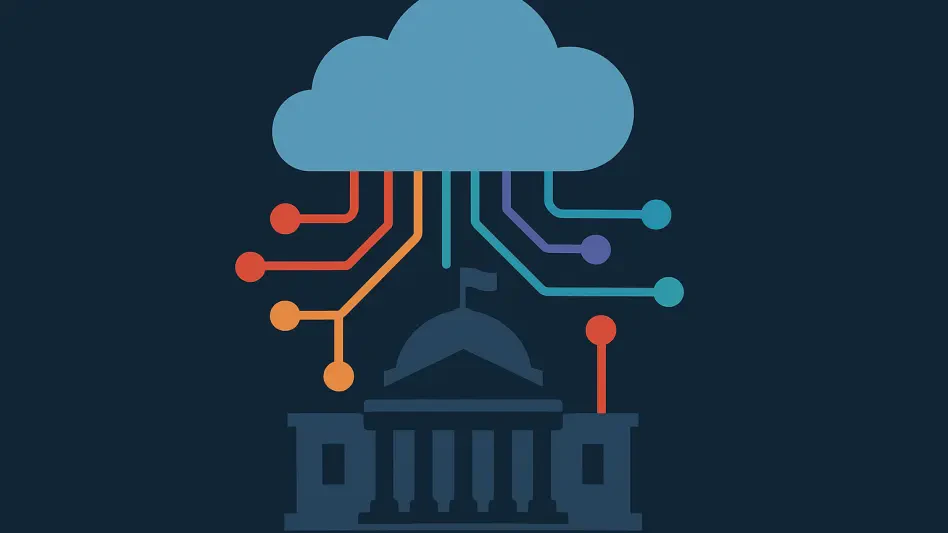
Despite the clear benefits of reporting, the current landscape is often hindered by systemic friction that discourages consumer participation. Scammers actively exploit the complexity of navigating multiple help channels, banking on the fact that victims will find the process of contacting carriers and government agencies too time-consuming to endure. There is a pressing need for a more integrated and streamlined reporting infrastructure that removes the guesswork from the post-scam recovery process. Ideally, a centralized platform would allow a user to alert their financial institutions, wireless service providers, and law enforcement through a single verified interface. By reducing the bureaucratic burden on the victim, the speed of response could be drastically increased, allowing for the freezing of fraudulent transactions in real-time. Shifting the responsibility of defense from the individual to a more robust, automated framework is the next necessary step in countering the agility of modern cybercrime syndicates.
Practical Defense: Technical Tools for Communication Security
On a practical level, immediate mitigation depends on the consistent use of technical tools that disrupt the automated dialing and messaging cycles used by scammers. Actively blocking suspicious numbers and configuring mobile devices to silence calls from unknown contacts creates a layer of friction that most criminal operations prefer to avoid. Furthermore, managing voicemail settings to prevent automated recordings from occupying space on a device ensures that the target remains insulated from further psychological pressure. For individuals whose contact information has been widely distributed on black-market lists, the use of specialized “out-of-service” responses remains a highly effective deterrent. These tools trick the predictive dialers used by offshore call centers into marking a number as inactive, effectively removing the target from future campaigns. Maintaining this posture of digital invisibility forces scammers to expend more resources for diminishing returns, eventually making the pursuit of that target unprofitable.
Future Resilience: Advancing Collective Security Standards
The fight against digital fraud necessitated a transition from passive avoidance to an active, data-driven defense strategy that prioritized quick intervention. Successful navigation of this threat landscape required individuals to leverage advanced reporting tools while maintaining strict control over their communication channels. It was discovered that by integrating automated blocking technology with a deep understanding of psychological manipulation, consumers could effectively insulate themselves from even the most sophisticated imposter schemes. The move toward a centralized reporting system significantly enhanced the ability of law enforcement to track global criminal networks, providing a roadmap for improved security protocols. Looking forward, the emphasis shifted toward preemptive digital hygiene and the implementation of zero-trust communication models as the primary standard for personal security. By adopting these methods, the public played a crucial role in reducing the overall profitability of cybercrime, ensuring that the integrity of digital communication was preserved.