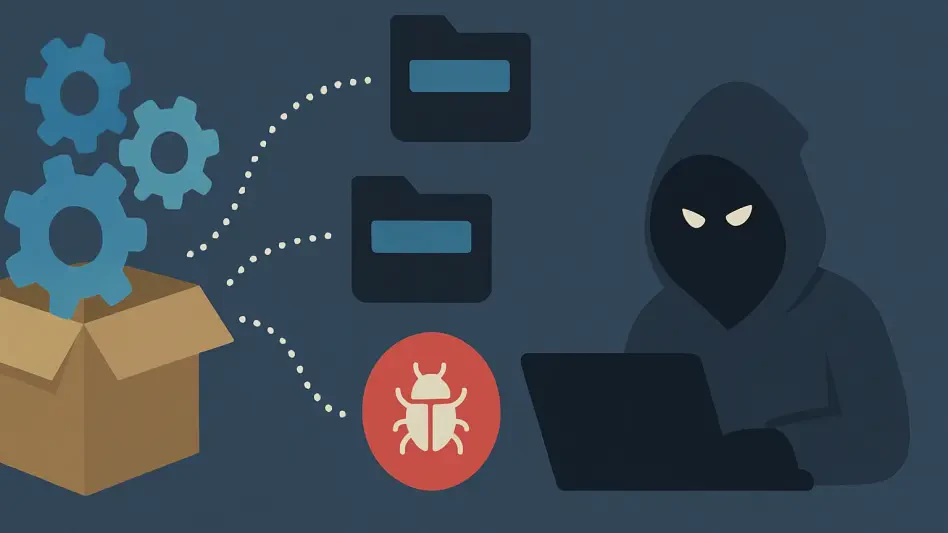

One common red flag involves requests for highly sensitive data like Social Security numbers or passwords to verify a simple delivery address. As the digital marketplace expands from 2026 to 2028, the sheer volume of logistics data being shared creates a massive attack surface for cybercriminals who specialize in identity theft. These bad actors carefully time their campaigns to coincide with major shipping surges, knowing that consumers are often distracted by a constant stream of legitimate notifications. Instead of relying on brute-force hacking, they use social engineering to trick individuals into handing over their credentials voluntarily. This phenomenon has turned the convenience of home delivery into a potential liability for many households. Understanding the mechanics of these seasonal threats is the first step toward building a robust defense against modern digital fraud. By focusing on the patterns of deceptive communication, shoppers can navigate the holiday season without compromising their long-term financial security or privacy.
1. Fraudulent Tactics: Common Types of Delivery Scams
Phishing and smishing remain the most prevalent methods for initiating delivery-related fraud due to their low cost and high success rates. Fraudsters send out automated text messages or emails that mimic the branding of major logistics firms, often claiming that a package is currently being held at a local warehouse. The pretext usually involves a supposed error in the shipping documentation, such as an incomplete street address or an unpaid customs fee. These messages are designed to provoke an immediate emotional reaction, urging the recipient to click a provided link to rectify the situation within a strict timeframe. Once a user clicks the link, they are redirected to a cloned website that looks nearly identical to the official portal of a service like FedEx or the United States Postal Service. Any information entered into these malicious forms, including credit card numbers and login credentials, is harvested by the attacker for immediate exploitation. By 2026, these clones have become so sophisticated that even careful users can be deceived.
Alternative tactics include brushing scams and mistaken delivery schemes, which leverage physical items to facilitate digital theft or reputational manipulation. In a brushing scam, a consumer receives an unsolicited package containing a low-value item, such as inexpensive jewelry or generic phone accessories. While this may seem harmless, the sender is actually using the recipient’s personal details to create fake verified purchaser accounts on global marketplaces to inflate their seller ratings artificially. More concerning is the mistaken delivery scam, where a criminal intentionally sends a package to a residence and then contacts the occupant claiming it was a shipping error. They may then request that the recipient wire money or provide gift card codes to cover rerouting fees to send the item to its supposedly rightful owner. These interactions often serve as a gateway for scammers to establish contact and probe for further vulnerabilities in digital defenses, often leading to more significant financial extortion later.
2. Detection and Mitigation: Warning Signs and Responses
Recognizing the psychological triggers used in fraudulent communications is essential for maintaining safety during high-volume shipping periods. One of the most prominent warning signs is an overt demand for immediate payment through non-traditional methods. Legitimate shipping companies almost never contact individual customers via text to demand a small redelivery fee using digital wallets or wire transfers for a package that is already in transit. These high-pressure tactics are specifically designed to bypass critical thinking by creating a sense of impending loss. Another indicator involves the use of suspicious web addresses in shipping notifications. Scammers register domains that look official but contain subtle variations, such as usps-delivery-support.com instead of the standard usps.com domain. These spoofed URLs are intended to deceive users who view messages on mobile screens where the full address might be truncated or obscured, making it difficult to distinguish from reality.
If a consumer realizes they have shared financial information or interacted with a malicious link, taking immediate action is necessary to contain the damage. The first priority must be contacting financial institutions to report that cards have been compromised. Banks can place a hold on accounts, cancel existing cards, and issue new numbers to prevent unauthorized transactions. It is also beneficial to place a fraud alert or a comprehensive credit freeze with organizations like Equifax or TransUnion to ensure that no one can open new lines of credit using stolen data. Once the threat is mitigated, filing a formal report with the FTC through their online portal provides authorities with the data needed to track and disrupt scam networks. Additionally, the FCC accepts complaints regarding deceptive texts, which helps identify and block malicious numbers. For scams involving postal impersonation, the U.S. Postal Inspection Service maintains a dedicated task force to investigate these specific crimes.
3. Long-Term Resolution: Proactive Security and Future Resilience
Building a long-term defense against delivery fraud requires a combination of technical safeguards and disciplined online behavior. Instead of clicking on links embedded in messages, it is safer to navigate directly to the retailer’s or courier’s official website by typing the address into the browser manually. This simple habit ensures that the user is interacting with an authentic platform rather than a sophisticated clone designed to capture data. Additionally, utilizing tools such as reverse phone lookups or email verification services can help confirm the legitimacy of a sender before any engagement takes place. Enabling two-factor authentication on all shopping and shipping accounts adds a vital layer of security that can stop an intruder even if they manage to obtain a password through a phishing attempt. By centralizing tracking information within official apps or account dashboards, shoppers can effectively ignore the noise of unsolicited messages and focus entirely on verified shipment updates.
The strategies implemented to secure personal data proved to be the most effective deterrent against the rising tide of holiday-related cybercrime. Those who prioritized direct verification and technical security measures successfully navigated the complexities of the 2026 shipping season without falling victim to the sophisticated lures of global fraud networks. The proactive steps taken by individuals to lock their credit files and utilize multi-factor authentication created a significant barrier that protected long-term financial health. Furthermore, the systematic reporting of deceptive messages to the FTC and FCC contributed to a broader effort that identified and dismantled several large-scale smishing operations. These collective actions demonstrated that while scammers continued to refine their tactics, a combination of awareness and rapid response remained the most powerful defense available. Moving forward, the integration of these security habits into daily digital routines provided a sustainable framework for resisting identity theft.