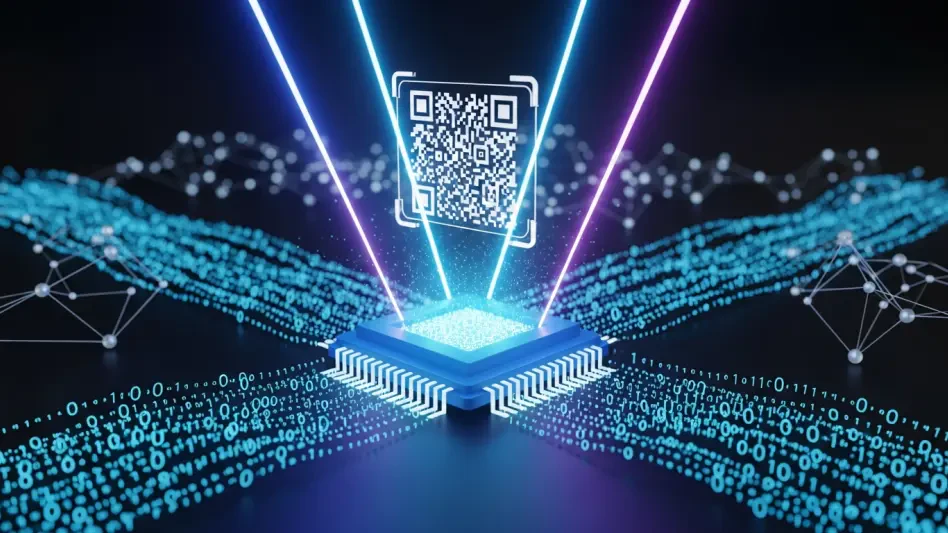
A sophisticated cyberattack no longer requires a suspicious link hidden in a poorly worded email; instead, it often arrives as a clean, high-resolution QR code that appears entirely legitimate to the average smartphone user. This specific evolution in social engineering, known as quishing, marks a significant departure from traditional phishing methods that relied on text-based deception and URL manipulation. As security software has become increasingly proficient at identifying and blocking malicious hyperlinks, threat actors have pivoted toward image-based vectors that bypass standard scanning algorithms. This shift capitalizes on the deep-rooted trust that modern consumers place in scan-to-pay and scan-to-order systems, which have become ubiquitous in daily life. By embedding malicious destinations within a visual matrix, attackers effectively hide their intent from both the user and automated defense systems. This strategy creates a massive security gap that relies on human curiosity and the inherent limitations of mobile security frameworks in a decentralized digital environment.
The Mechanics of Modern QR Deception
The effectiveness of quishing is largely driven by the shift toward a mobile-first lifestyle where personal devices are frequently used for professional tasks without the oversight of enterprise-grade security. When an individual scans a QR code, the interaction typically happens within a mobile browser that lacks the robust filtering tools found on corporate desktops. This isolation allows cybercriminals to deploy highly convincing clones of landing pages, such as banking portals or corporate login screens, with very little risk of immediate detection. One of the most dangerous applications of this technique involved the implementation of Adversary-in-the-Middle tactics to bypass multi-factor authentication. When a victim scanned the malicious code, they were directed to a cloned site that acted as a proxy, capturing login credentials and one-time passcodes in real-time. This allowed the attacker to seize the active session token, gaining full access to the account without needing to circumvent the secondary security layer again.
Furthermore, quishing campaigns have become increasingly sophisticated by integrating malicious codes within common file formats like PDFs or image attachments. By doing so, attackers ensure that the phishing attempt remains dormant and undetected by automated email scanners that typically prioritize searching for malicious code snippets or known-bad domains within the body of a message. Once a human recipient interacts with the attachment and scans the embedded image, the malicious journey begins, effectively bypassing the first line of defense. Current data suggests that nearly thirty percent of all phishing activity now utilizes some form of QR code integration, reflecting a rapid adoption rate among global threat actors. This tactical shift is not merely a trend but a fundamental redesign of the phishing landscape that focuses on the human-mobile interface. By exploiting the blind spots in mobile security, attackers can maintain a higher success rate while traditional security protocols struggle to adapt to the purely visual delivery of malicious instructions.
Real-World Vulnerabilities and Adaptive Strategies
Beyond the digital confines of an inbox, quishing has aggressively expanded into the physical world, turning everyday environments like parking meters and public transit stations into active threat zones. Attackers often place fraudulent stickers over legitimate QR codes, capitalizing on the fact that these codes do not allow for a hover-over preview of the destination URL. This lack of transparency is a critical vulnerability that distinguishes quishing from standard web-based phishing, as the user has no way of knowing where they are being directed until the scan is finalized. Psychological triggers, such as the urgency of a parking fine or the allure of a fake promotional offer, are frequently used to manipulate individuals into acting without hesitation. In high-traffic urban areas, these physical traps are particularly effective because they leverage the public’s general acceptance of scan-based convenience. This physical manifestation of cybercrime demonstrates how attackers are moving away from purely digital realms to exploit the trust people have in the physical infrastructure.
To address these emerging threats, organizations and individuals adopted more rigorous verification protocols that emphasized treating every QR code with the same suspicion as an unsolicited link. Security professionals successfully implemented specialized scanner applications that provided a mandatory URL preview before navigating to a website, which acted as a final barrier against malicious redirects. Training programs were overhauled to include simulated quishing exercises, ensuring that employees recognized the dangers of scanning codes from unverified physical or digital sources. Physical security teams also took a proactive stance by regularly inspecting public-facing QR codes for signs of tampering or unauthorized overlays. These combined efforts shifted the defensive focus from reactive technological solutions to a more comprehensive strategy centered on human awareness and verified interaction. By establishing these new standards of digital hygiene, the security community managed to mitigate the impact of quishing, turning what was once a significant blind spot into a robust defense.