
Stale accounts and default credentials remain primary entry points for Iranian-backed groups aiming to infiltrate financial services and telecommunications sectors. This operational vulnerability highlights a significant shift in the contemporary geopolitical landscape, where the fusion of kinetic military action and digital subversion has become a defining feature of modern statecraft. Over the past few years, Iran has rapidly matured its offensive cyber capabilities, transitioning from a secondary regional player to a top-tier global adversary. This evolution allows the regime to project power far beyond its borders, leveraging technology to bypass traditional military barriers and defensive lines. By integrating sophisticated digital tactics into its broader strategic objectives, Tehran now possesses the capacity to disrupt global supply chains and jeopardize the critical infrastructure of major world powers. Navigating this environment requires a deep understanding of how these digital and physical front lines have permanently blurred into a unified theater of conflict for nations.
Tactical Shifts: The Weaponization of Management Tools
The Evolution of Sabotage Methodologies
One of the most concerning trends in recent operations is the subversion of legitimate enterprise software to conduct large-scale sabotage against high-value targets. Rather than simply breaking into systems using traditional malware, Iranian actors are now weaponizing the very tools that businesses use for security and administration. A notable example involved the compromise of a cloud-based device management tool to trigger mass remote wipes across hundreds of thousands of devices in a single coordinated strike. This paradigm shift demonstrates a sophisticated move from simple data extraction to the manipulation of trusted infrastructure to cause maximum operational disruption. By turning administrative power against the host network, attackers can bypass standard detection mechanisms that are tuned to look for outside threats rather than internal commands. This approach turns a company’s own efficiency against itself, making the recovery process significantly more complex and resource-intensive for the affected IT teams.
Weaponizing Infrastructure and Administrative Tools
The move toward subverting management software represents a broader maturation of Iranian methodology, where the goal has transitioned from noise-making to actual functional destruction. In the past, many operations focused on website defacement or minor data leaks, but the current focus is on creating lasting damage to physical and digital assets. This shift is particularly evident in the way attackers now target the underlying mechanisms of cloud connectivity and remote device management. By gaining control over these centralized hubs, they can execute commands that propagate through an entire ecosystem within minutes, rendering thousands of workstations or industrial controllers unusable. This capability provides the regime with a strategic “kill switch” that can be activated during periods of heightened geopolitical tension. Such advancements suggest that the technical gap between Iran and other major cyber powers is closing, as they adopt refined techniques that focus on the exploitation of supply chain trusts.
The Growing Threat of Persistent Sleeper Cells
Security experts warn that the Iranian cyber ecosystem is characterized by a “long tail” of pre-planted access that remains dormant within Western networks for extended periods. Many vital systems in the healthcare, aviation, and energy sectors have likely been compromised for years by dormant malware or “sleeper” cells that wait for a specific signal to activate. These persistent footholds mean that the threat is decentralized and enduring, as the attackers do not need to launch a new intrusion every time they wish to conduct an operation. Instead, they maintain a library of access credentials and backdoors that can be utilized at a moment of their choosing, regardless of the immediate geopolitical climate. This long-term positioning allows the regime to maintain a steady pressure on its adversaries, ensuring that they are never truly safe from a sudden and devastating strike. The presence of these hidden assets complicates the work of security teams, as identifying a dormant threat requires much more intensive forensics.
Maintaining Access During Internal Connectivity Issues
This strategy of maintaining persistent footholds ensures that the threat remains viable even during domestic internet blackouts within Iran or other periods of internal instability. Because these sleeper cells and their proxy operators often function outside of traditional government networks, they can continue to operate independently of Tehran’s immediate connectivity status. This decentralization makes the Iranian threat particularly resilient and difficult to neutralize through standard diplomatic or economic sanctions. Furthermore, the use of automated scripts and pre-programmed triggers allows some malicious activities to continue even if the primary command structure is temporarily disrupted. The enduring nature of these digital assets means that a single breach today could have devastating consequences several years down the line, as the attackers wait for the most opportune moment to strike. Consequently, organizations must adopt a mindset of continuous compromise, assuming that their networks are already being watched and monitored.
Strategic Targeting: Critical Infrastructure and Global Resilience
Identifying High-Risk Critical Infrastructure Sectors
The scope of Iranian targeting is strategically focused on sectors that cause the most significant cascading failures and carry a heavy psychological impact on the general public. Primary targets include water treatment plants, ports, and railways, where even a minor disruption can create significant domestic pressure on Western governments to alter their foreign policies. By targeting the basic services that citizens rely on daily, the regime seeks to create a sense of vulnerability and mistrust in the government’s ability to protect its own people. This psychological warfare is just as important to Tehran as the physical damage caused by the attacks, as it amplifies the perceived power of the state. Furthermore, the disruption of critical infrastructure can have immediate economic consequences, as delays at ports ripple through the entire supply chain, leading to shortages and price increases for essential goods. This focus ensures that every successful operation provides the regime with maximum leverage.
Impact on Energy Logistics and Global Defense
In addition to public utilities, the energy and logistics sectors are under constant fire as Iran seeks to create market panic and disrupt the global flow of resources. By targeting oil refineries and power grids, the regime can exert significant influence over international energy prices and economic stability. The defense industrial base and financial services also face persistent scrutiny, as state-backed actors attempt to disrupt the flow of capital and gain access to sensitive security information. These sectors are chosen not only for their economic value but also for their role in national security, as a breach in a defense contractor’s network can compromise the safety of military personnel and the effectiveness of Western weapons systems. The strategic breadth of these operations shows that Iran is no longer content with localized disruptions; instead, it is pursuing a comprehensive campaign of global sabotage. This broad approach necessitates a unified defensive strategy that requires cooperation.
Geography and the Borderless Nature of Cloud Risks
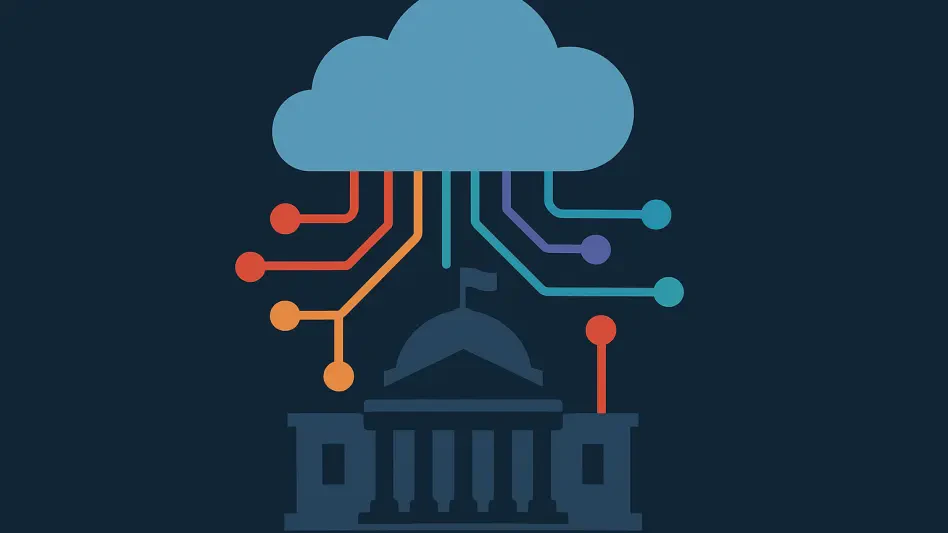
While the United States remains the primary target, the rise of identity-centric cloud intrusions makes geographic boundaries increasingly irrelevant in the digital age. A breach in a cloud provider’s infrastructure in one region can rapidly migrate across the globe, affecting partners and subsidiaries in every hemisphere within a matter of hours. The United Kingdom and other Western allies face significant indirect risk through these interconnected supply chains, making Iranian cyber warfare a borderless challenge. The move toward cloud-based environments has centralized data and access, creating “honey pots” for state-backed actors who achieve massive impact by compromising a single service provider. This reality means that a company in London or Tokyo is just as vulnerable to an Iranian operation as one located in Washington, D.C. As the world becomes more reliant on these systems, the ability of state actors to project power globally continues to grow, forcing a reassessment of security perimeters.
Building Resilience Through Hardened Identity Access
The hardening of identity and access management became the most urgent priority for organizations seeking to survive in this heightened threat environment. In the past year, security teams focused on implementing strict multi-factor authentication and conducting regular audits of privileged access to close the most common doors used by state-backed actors. Many enterprises successfully moved away from legacy systems that were vulnerable to automated attacks and prioritized the removal of stale accounts that once served as easy entry points. The transition toward building resilient, segmented architectures allowed businesses to withstand intrusions without suffering total system failures, while the maintenance of immutable backups provided a critical last line of defense. International cooperation between intelligence agencies and private security firms helped to identify and neutralize proxy networks before they could launch destructive strikes. These proactive measures ultimately transformed the digital landscape by emphasizing long-term resilience.