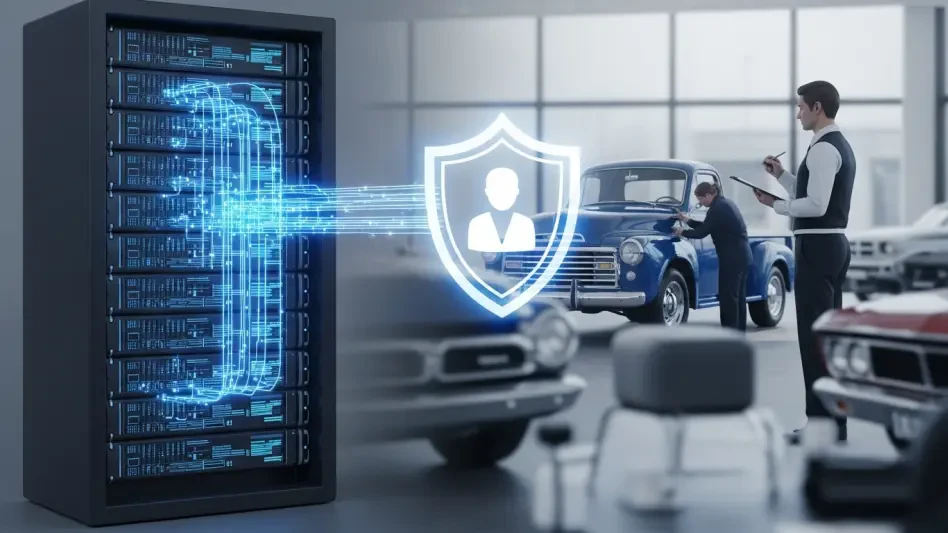
The landscape of the classic car market has undergone a dramatic and unsettling transformation as sophisticated criminal syndicates move away from amateurish tactics toward a highly organized form of corporate identity theft. In the current year of 2026, the traditional phantom listing—where a scammer creates a fictional persona to sell a nonexistent vehicle—has been largely superseded by a much more insidious method: the systematic hijacking of the names, addresses, and reputations of established automotive restoration shops. This evolution in fraudulent strategy targets the very foundation of the collector community, which has long relied on the integrity of niche experts and small, family-run businesses. By tethering their deceptive operations to legitimate entities found in official state business registries, these criminals effectively bypass the initial skepticism of even the most seasoned collectors. The result is a crisis of confidence that threatens the digital economy of the high-end vehicle market as scammers exploit the professional history of others.
The Mechanics of Modern Automotive Fraud
Exploiting Trust: The Psychology of Remote Transactions
The success of these fraudulent operations relies heavily on the specific cultural norms of the classic car market, where enthusiasts are often forced to search nationally to find rare models. Because these vehicles are unique and scattered across the country, buyers have grown accustomed to conducting high-value transactions sight-unseen, relying instead on digital high-resolution photographs and the presumed professional reputation of the seller. Scammers exploit this inherent vulnerability by engaging in lengthy, seemingly authentic communications through encrypted texts, professional emails, and voice calls to build a deep rapport with the potential victim. These criminals often possess significant technical knowledge about the cars they are supposedly selling, which allows them to answer complex questions and provide a false sense of security. By the time a buyer is asked to wire funds, they often feel they have established a genuine relationship with a professional.
Furthermore, the digital facade presented by these scammers is increasingly polished and difficult to distinguish from legitimate business platforms. Most of these deceptive journeys begin on social media platforms like Facebook, where fraudulent advertisements showcase highly desirable collector vehicles at prices that are attractive but not so low as to immediately trigger alarm bells. These advertisements funnel victims toward professionally designed websites that mirror the branding, history, and even the staff photos of real restoration shops located in states like Connecticut. These mirrored sites often include functional contact forms and local area code phone numbers, creating a comprehensive digital environment that validates the scam. Once the buyer is convinced and completes a wire transfer, the scammers immediately terminate all contact and erase their digital footprint, including the website and the temporary phone lines used to orchestrate the theft.
Case Studies: When Verification Fails the Buyer
The experiences of victims like Michael Purvis from Wilmington, North Carolina, illustrate the devastating efficiency of this multi-state fraud scheme. Purvis, an experienced enthusiast, lost $30,000 after engaging with a seller he believed was a legitimate restoration professional. Throughout the negotiation, the communication remained high-quality and consistent, mirroring the behavior of an honest business owner. The scammers provided detailed documentation and maintained a convincing online presence that successfully masked their criminal intent. This case highlights a critical shift in the nature of online theft; it is no longer just about the car itself, but about the theft of a business’s entire professional persona. For Purvis, the realization of the fraud only came after the funds were moved and the once-responsive seller vanished into the digital void, leaving no recourse for the recovery of the stolen capital.
Even more instructive is the case of Richard Eyon from Twin Falls, Idaho, whose experience proves that even diligent buyers can be deceived by these sophisticated methods. Eyon attempted to verify the legitimacy of the seller by researching the business through the Connecticut Secretary of the State’s website and requesting specific video footage of the vehicle, a 1949 truck. Despite taking these proactive steps to ensure his safety, he still lost $25,000 to the scam. His case demonstrates that the traditional markers of business legitimacy—such as a clean record in a government registry—are now being weaponized by criminals to provide a false sense of validation. Because the scammers use the names of actual businesses that are currently in good standing, a standard records search actually reinforces the deception rather than uncovering it. This gap in the verification process allows criminals to hide in plain sight behind the names of honest mechanics.
Consequences for Businesses and the Marketplace
Reputational Damage: The Victimization of Restoration Shops
A critical finding of recent investigations is that the damage of this crisis extends far beyond the financial losses suffered by buyers, as small restoration shops see their identities weaponized against them. For example, Liz Sapata of Classic Leyland Restorations in Prospect, Connecticut, discovered her business was being used as a front for these scams only after being contacted by legal authorities from Idaho. Paradoxically, her shop focuses exclusively on the restoration of British cars and does not engage in vehicle sales at all, nor does it maintain a website or social media presence. Nevertheless, scammers created a complex facade titled Classic Leyland Restorations Powered by Premier Motorsports, LLC. This forced the legitimate business to divert significant time and resources toward addressing fraud inquiries and defending its reputation, which significantly disrupted its actual restoration work and day-to-day operations.
Similarly, Brandon Zuccaro of Premier Motorsports LLC in Canton found his business name entangled in this fraudulent branding, highlighting the systemic nature of the threat to local entrepreneurs. Legitimate shop owners are now being placed in the impossible position of having to prove their innocence to angry victims who have lost tens of thousands of dollars. The administrative burden of responding to legal inquiries and managing the fallout of identity theft can be overwhelming for small, family-run operations that lack dedicated legal or public relations departments. This situation creates a secondary layer of victimization where the pillars of the automotive community are penalized for the actions of anonymous digital predators. As restoration shops spend more time on damage control, the quality and availability of their primary services may suffer, leading to a broader decline in the health of the collector car ecosystem.
Risk Mitigation: Identifying Red Flags and Rebuilding Trust
To combat these evolving tactics, the collector community must adopt a new set of verification standards that go beyond simple record searches and digital communication. The most obvious warning sign remains the issue of pricing; any vehicle listed significantly below its established market value should be viewed with extreme suspicion, as scammers use these deals to create a false sense of urgency. Furthermore, any resistance to a third-party inspection or a face-to-face meeting is a definitive red flag that should halt a transaction immediately. Legitimate sellers in the classic car world are generally supportive of inspections, as they protect both parties and confirm the condition of the asset. If a seller insists that an inspection is impossible due to logistical hurdles or excessive interest from other buyers, it is almost certain that the listing is fraudulent and designed to pressure the buyer into an impulsive decision.
The most damaging long-term effect of this trend was the systemic erosion of trust that occurred within the national collector car community. This industry thrived on a network of enthusiasts, restorers, and niche dealers who operated across state lines, but the hijacking of these identities poisoned the marketplace for honest participants. In response to these challenges, experts suggested that buyers should verify not just the existence of a business, but the specific identity and banking details of the person they were dealing with. Financial instructions that directed funds to an individual or a third-party account rather than a verified business entity served as the final warning for potential victims. By the time law enforcement agencies successfully shuttered several fraudulent domains, the market had already begun a visible shift toward more local, in-person transactions as a necessary defensive posture against the pervasive threat of digital identity theft.