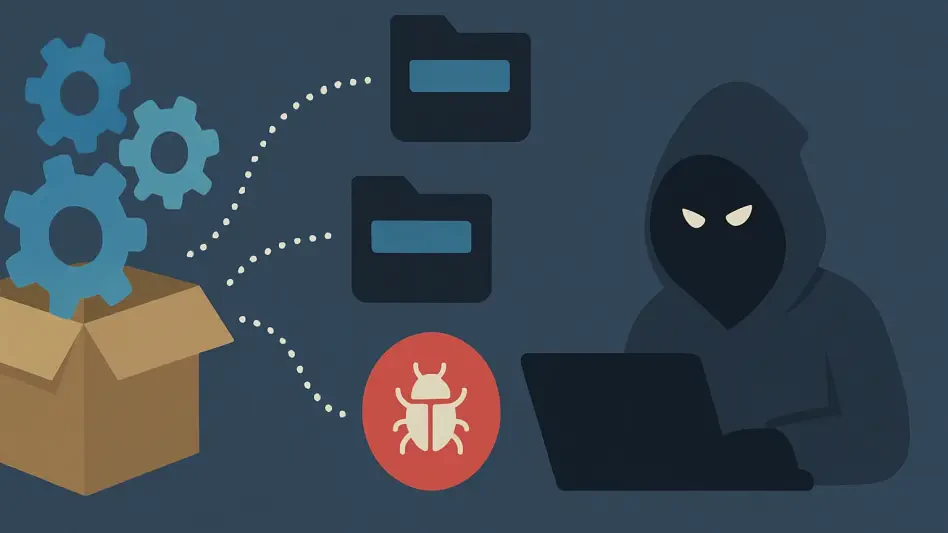
Digital defense has entered a phase where the speed of light is no longer a metaphor but a functional requirement for organizational survival in the face of automated aggression. This shift represents a fundamental change in how vulnerabilities are perceived and managed across the global infrastructure.
Analyzing the Shift Toward AI-Driven Exploitation and Systemic Risk
The transition from traditional data breaches to high-impact ransomware operations has altered the strategic landscape for corporate security. Modern attackers no longer seek mere data points; they aim for total operational paralysis to maximize extortion leverage.
Artificial intelligence has drastically accelerated the timeline between the discovery of a vulnerability and its active exploitation. This shrinking window leaves security teams with almost no time for traditional remediation, as automated scripts now identify and target flaws in mere seconds.
Securing rapidly deployed corporate AI services remains a primary challenge for modern enterprises. Many organizations integrate these powerful tools without established oversight, inadvertently creating vast new surfaces for sophisticated threat actors to penetrate.
The Evolution of the 2025 Digital Threat Environment
The surge in ransomware activity throughout the past year is closely tied to the proliferation of specialized dark-web leak sites. These platforms provide criminals with an industrial-scale infrastructure for publishing stolen data and managing ransom negotiations.
Hackers have performed a strategic pivot toward “domino-effect” targets such as critical infrastructure and defense utilities. By hitting these essential hubs, attackers can cause systemic failures that ripple through entire national economies and supply chains.
Understanding these shifts is vital for protecting sensitive personal information in a hyper-connected economy. As threat actors focus on systemic stability, the cost of a single breach is now measured in societal impact rather than just financial loss.
Research Methodology, Findings, and Implications
Methodology
Data collection relied on extensive monitoring of cybercrime forums and encrypted Telegram channels. Researchers tracked millions of mentions regarding AI platforms like Gemini and ChatGPT to understand how criminals weaponize large language models.
The study included an assessment of thousands of corporate networks to identify misconfigured AI tools and exposed web services. This empirical approach allowed for a precise mapping of current entry points used by modern threat actors.
Findings
Ransomware incidents increased by nearly 20% over the last year, with a staggering 58% of all claims traced back to only ten primary threat groups. This concentration shows that a small number of elite organizations are driving the majority of global risk.
While traditional data breaches appeared to decline by 41%, this drop was largely masked by reporting gaps. A massive 360% increase in publicly exposed and misconfigured services like Open WebUI provided a constant stream of new opportunities for infiltration.
Implications
Traditional, schedule-based patching is no longer an effective strategy for modern enterprise defense. The sheer speed of AI-assisted scanning means that vulnerabilities must be closed almost as soon as they are discovered to prevent compromise.
Cybersecurity teams must adopt a model of constant prioritization and faster response times. The concentration of attacks on manufacturing and government agencies demonstrates that critical supply chains are now the primary battlegrounds for digital sovereignty.
Reflection and Future Directions
Reflection
Interpreting breach statistics has become difficult due to changing reporting behaviors and tactical shifts toward quieter, high-impact operations. The dual-use nature of AI tools means the same technology used for productivity is simultaneously used to automate cyberattacks.
Securing rapidly adopted technologies remains a significant hurdle because these tools often lack established patching protocols. Organizations struggle to balance the competitive advantages of AI with the inherent risks of such an unvetted and fast-moving technological landscape.
Future Directions
Future research must prioritize the long-term impact of AI-on-AI warfare, where automated defense systems clash with sophisticated attack scripts. This technical arms race will determine the future of network autonomy and the role of human intervention in security.
Exploring the development of self-healing networks represents a promising path for real-time vulnerability management. Additionally, a global policy framework is needed to address the concentration of threat operations within specific geopolitical regions that provide safe havens for criminals.
Adapting Cybersecurity Strategies for an AI-Accelerated Era
The transformation of the threat landscape necessitated a fundamental departure from reactive security postures. Organizations that successfully adapted moved toward proactive, intelligence-led defense strategies, recognizing that systemic stability was the ultimate goal.
By prioritizing the protection of AI infrastructure and shrinking the time-to-remediate, these entities established a baseline of resilience. The final perspective emphasized that in an AI-accelerated era, the ability to maintain operations under pressure became the most critical metric of success.