The digital perimeter shielding our most essential life-sustaining resources is currently facing an unprecedented level of strain from sophisticated foreign adversaries. The recent compromise of California Water Service by a group known as Handala has sent shockwaves through the cybersecurity community, highlighting the precarious nature of our essential infrastructure. While physical security for reservoirs and treatment plants has long been a priority, the digital systems safeguarding these facilities are increasingly coming under fire from foreign state-sponsored actors. This specific breach underscores a growing trend where Iranian-linked hacking collectives are shifting their focus away from mere espionage toward activities that could potentially disrupt the daily lives of millions of citizens. By targeting a major utility, the Handala group has demonstrated that no system is too small or too isolated to be overlooked by those seeking to project influence through cyber means. The incident serves as a critical case study for understanding how the convergence of traditional information technology and specialized industrial control systems is creating new, often unmonitored pathways for infiltration that require immediate attention.
Uncovering the Attack Mechanics
Technical Exploitation and Lateral Movement
The collective operating under the moniker Handala has recently become a central focus for intelligence agencies tracking Iranian cyber operations because of its aggressive and highly public profile. While some hackers prefer to remain in the shadows, Handala frequently utilizes dark web forums to broadcast their successful intrusions, aiming to maximize the psychological impact of their activities. Cybersecurity research firms have identified significant overlaps between Handala’s tactics and those of previously documented groups such as Void Manticore and Storm-0842, both of which are believed to operate under the direction of the Iranian Ministry of Intelligence and Security. These associations suggest that the group is not a band of independent activists but rather a well-coordinated element of a state-led strategy to challenge Western security. By aligning their operations with the political goals of Tehran, these hackers ensure they have the resources and institutional support necessary to sustain prolonged and complex campaigns against vital infrastructure targets located deep within the United States.
The initial entry point for the California Water Service breach was not a traditional office computer, but rather a specialized piece of operational hardware used for high-precision mapping. Attackers focused their efforts on a GPS correction network known as RTKBase, which is a tool used by field technicians to ensure accurate maintenance of underground water lines and facility locations. Because these types of industrial support systems are often seen as secondary to the main network, they frequently run on lower-power hardware that lacks the robust security features found in modern servers. The hackers were able to identify this system as a vulnerable link in the utility’s digital chain, recognizing that its connection to the broader network was not as strictly guarded as other entry points. This focus on “edge” devices highlights a major blind spot for many infrastructure providers who may secure their main databases but leave specialized maintenance tools exposed to the open internet. The success of this tactic demonstrates that even the most niche industrial tools can serve as a massive gateway for a persistent adversary.
Network Infiltration and Information Disclosure
Once the hackers successfully compromised the RTKBase hardware, they exploited the fact that the system was running with default security settings and using common communication ports that were left wide open. This lack of basic security hygiene allowed the Handala operatives to intercept traffic and capture administrative credentials that were being used to manage the mapping network. In many industrial environments, the pressure to maintain uptime and ensure ease of use for field crews often leads to the implementation of weak passwords or the total absence of multi-factor authentication on support equipment. The attackers capitalized on these oversights, effectively walking through a digital front door that had been left unlocked for the sake of operational convenience. By obtaining administrative access through such a minor system, the hackers gained a foothold that allowed them to appear as legitimate users while they began to explore the more sensitive regions of the utility’s internal network architecture. This method of credential harvesting is becoming a signature move for state-sponsored groups.
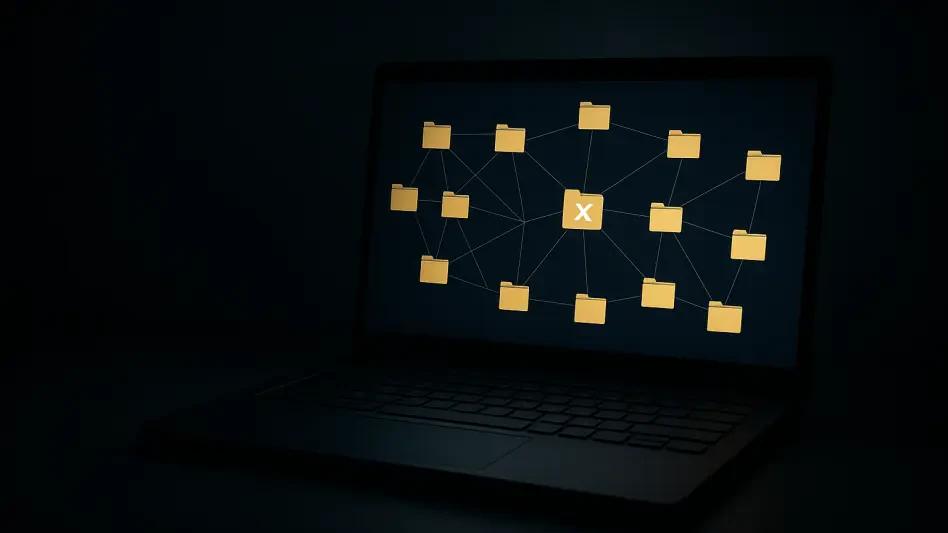
The most critical failure during the incident occurred when the attackers successfully moved from the GPS support network into the utility’s customer billing database. This movement was made possible by a lack of strict network segmentation, a security practice that is supposed to keep different parts of a company’s digital environment isolated from one another. Instead, the hackers found that the mapping tool and the financial systems were essentially on the same logical network, allowing them to traverse the gap with relative ease. This structural flaw transformed a minor technical compromise into a full-scale privacy disaster that exposed the personal information of millions of residents. The ability of the Iranian-linked group to navigate between these disparate systems suggests they spent considerable time studying the internal layout, looking for any bridge that would lead them to higher-value targets. This highlights a pervasive issue in the utility sector, where the push for digital integration has often outpaced the implementation of internal security barriers and defensive monitoring.
Strengthening Defenses Against Future Threats
Addressing the Convergence of IT and OT
The breach of California Water Service highlights the inherent dangers posed by the ongoing convergence of traditional information technology and operational technology in the utility sector. As providers move toward more efficient management models, they are connecting sensors and mapping tools to the same networks that handle business functions like email and billing. While this connectivity allows for real-time monitoring and faster response to physical infrastructure issues, it also creates a vast and complex attack surface that is difficult for even the best-funded security teams to defend. The specialized tools used by field crews often exist in a gray zone where they are not fully managed by IT departments but are still connected to the enterprise backbone. To address this, utilities must recognize that every connected device, regardless of its function, represents a potential entry point for a state-sponsored hacker. Bridging this gap requires a unified security strategy that applies the same rigorous standards of encryption to mapping tools as it does to the financial databases.
Immediate technical interventions are required to close the security gaps that allowed the Iranian hackers to succeed, starting with a comprehensive audit of all administrative credentials. Utility companies should implement mandatory, frequent password rotations and require multi-factor authentication for every single point of entry into their networks, including secondary support systems. Furthermore, industrial tools must be shielded behind robust firewalls or virtual private networks that strictly limit which users and devices can interact with them. It is no longer sufficient to rely on the obscurity of a system to keep it safe; instead, security teams must assume that an attacker will find every exposed port and unpatched piece of hardware. Enhanced logging and auditing processes are also vital, as they provide the visibility needed to detect unauthorized data transfers or suspicious lateral movement before they can result in a major breach. By focusing on these fundamental security pillars, organizations can significantly raise the cost and difficulty for attackers, potentially deterring them from future intrusions.
Establishing Resilient Security Architectures
Beyond the technical aspects of the breach, the utility sector must recognize that these cyberattacks are a form of psychological warfare designed to erode public trust in essential services. By successfully infiltrating a major water provider, Handala aimed to project an image of American vulnerability, suggesting that foreign powers can disrupt the most basic necessities of life at will. This realization should drive infrastructure leaders to adopt a more holistic approach to security that prioritizes resilience and rapid recovery as much as prevention. Communicating clearly with the public about the steps being taken to secure water supplies is essential for neutralizing the fear that these hackers hope to instill. At the same time, the industry must move toward a zero-trust architecture where no user or device is trusted by default, regardless of where they are connecting from. This model ensures that if one small component is compromised, the rest of the network remains isolated and protected, preventing the kind of cascading failure seen in recent incidents.
The response to this breach ultimately required a decisive shift in how national infrastructure was defended against persistent state-sponsored threats. In the period following the incident, many utility providers moved away from fragmented security management and toward a centralized, intelligence-driven model that prioritized the isolation of critical industrial controls. Government agencies and private sector partners collaborated to establish new standards for network segmentation, ensuring that operational support tools were no longer a bridge to sensitive customer data. These organizations prioritized the deployment of advanced threat detection systems that utilized behavioral analysis to catch lateral movement in its earliest stages. Technicians and engineers also underwent extensive training to recognize the signs of a digital compromise, fostering a culture of security that extended from the boardroom to the field crews. By treating the California Water Service incident as a catalyst for systemic change, the industry took the necessary steps to harden its defenses and ensure the safety of the public’s resources.