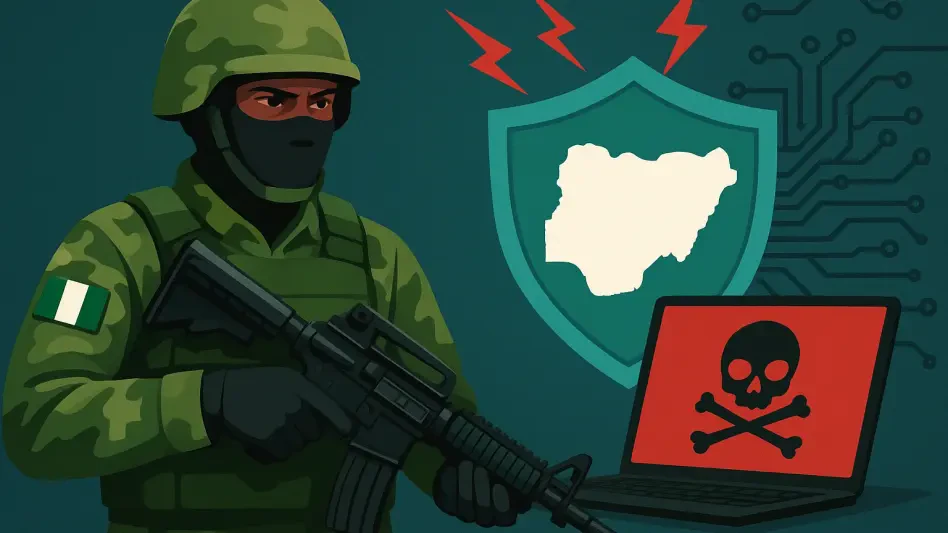
Malicious actors are shifting away from basic flooding methods toward more advanced techniques that exploit specific weaknesses in network infrastructure and protocols. Nigeria’s rapid transition into a digital-first economy, fueled by a booming fintech sector and widespread mobile connectivity, has inadvertently expanded the attack surface for distributed denial-of-service (DDoS) campaigns. As financial institutions in Lagos and government portals in Abuja experience increasingly sophisticated application-layer attacks, the urgency for a robust national defense strategy has never been greater. These disruptions do not merely slow down internet speeds; they threaten the very foundations of economic trust and digital inclusion for millions of citizens. The integration of 5G technologies across major urban centers has further complicated the security equation, as the proliferation of IoT devices provides a vast pool of potential bots for botnet operators to recruit. This environment necessitates a departure from traditional perimeter-based security toward a more holistic architecture that can dynamically respond to volumetric spikes before they overwhelm critical service gateways.
Strengthening National Network Resilience
Localized Mitigation Strategies and Traffic Scrubbing
The deployment of localized scrubbing centers represents a critical turning point in the nation’s ability to withstand high-volume traffic surges. Historically, Nigerian internet traffic was often rerouted to Europe or North America for cleaning, which introduced significant latency and often rendered time-sensitive financial transactions impossible. By establishing dedicated centers within Nigeria’s borders, local ISPs can filter malicious traffic while keeping legitimate data flows within the domestic ecosystem. This approach significantly reduces the time-to-mitigation and ensures that critical services like mobile banking and e-government platforms remain accessible even during sustained attacks. Furthermore, the collaboration between the Nigerian Communications Commission and local data center providers is paving the way for a more distributed filtering network. This decentralized model ensures that a single point of failure does not exist, thereby enhancing the overall stability of the national internet backbone through the years 2026 to 2028.
Advanced Behavioral Analytics and AI Integration
Beyond physical infrastructure, the adoption of advanced behavioral analytics is becoming the primary line of defense against sub-volumetric and application-layer DDoS attacks. Unlike traditional methods that rely on identifying known attack signatures, these AI-driven systems analyze traffic patterns in real-time to distinguish between a legitimate surge in users and a coordinated botnet assault. For instance, during major national events or e-commerce festivals, these systems can automatically adjust thresholds to prevent false positives that might otherwise block genuine customers. Nigerian cybersecurity firms are increasingly deploying these machine learning models to protect small and medium-sized enterprises that lack the resources for massive hardware investments. By leveraging cloud-native protection services, these businesses can benefit from the same level of security as large multinational corporations. This democratization of high-end security tools is essential for maintaining a competitive and secure digital marketplace that encourages local innovation.
Building a Unified Cybersecurity Front
Regulatory Evolution and Standardized Defense Mandates
The evolution of Nigeria’s regulatory landscape is playing a pivotal role in standardizing DDoS defense across various sectors. The National Information Technology Development Agency has been instrumental in updating the national cybersecurity strategy to emphasize proactive defense rather than reactive remediation. Moving from 2026 to 2028, new mandates are expected to require essential service providers to conduct regular stress tests and maintain comprehensive incident response plans. These regulations are not merely bureaucratic hurdles but serve as a framework for building a culture of security throughout the economy. By aligning domestic standards with international best practices, Nigeria is also making itself a more attractive destination for foreign tech investment, as companies seek environments where digital assets are protected by law. The synergy between government oversight and private sector agility is creating a feedback loop where policy informs technology, and technological breakthroughs shape effective requirements for all stakeholders.
Collaborative Threat Intelligence and Talent Development
To truly fortify the nation against large-scale cyber threats, the focus shifted toward real-time collaboration and information sharing between the public and private spheres. The establishment of a unified threat intelligence platform allowed banks, telecommunications companies, and government agencies to share data on emerging DDoS vectors as they were detected. This collective defense strategy ensured that an attack on one entity served as a warning for others, allowing them to preemptively block malicious IP ranges. Moreover, fostering a local talent pipeline through specialized training programs ensured that the next generation of tech professionals was equipped to handle the complexities of modern cyber warfare. Investment in specialized bootcamps and university partnerships became the cornerstone of this human-centric defense. Moving forward, the goal was to create an environment where security was integrated into the design phase of every new digital product, ensuring that resilience remained a feature rather than an afterthought, ultimately securing the digital future.