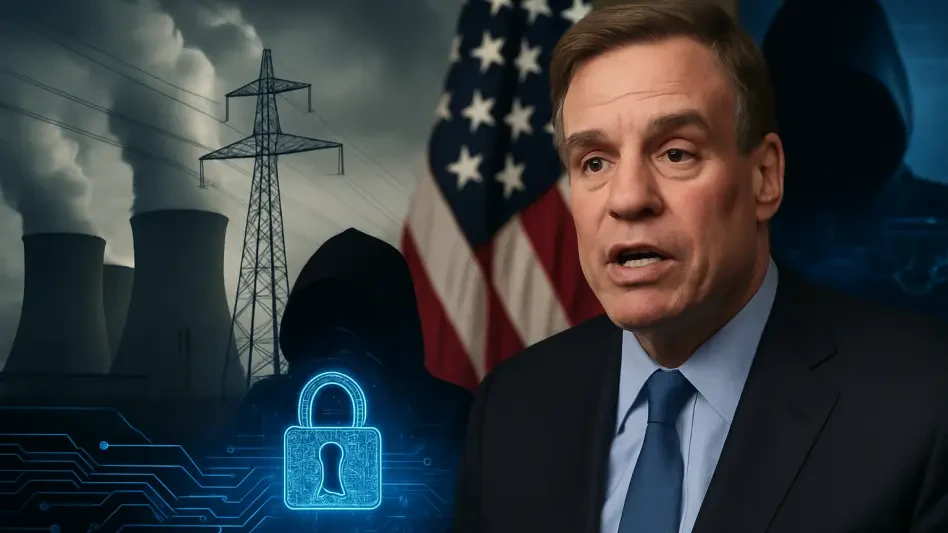
The increasing sophistication of digital adversaries has forced a critical reevaluation of how the United States safeguards its essential services, leading to the introduction of legislation designed to fortify the nation’s 16 critical infrastructure sectors against unprecedented technological risks. Senator Mark Warner’s proposed Combat Emerging Threats to Critical Infrastructure Act represents a pivotal shift in domestic security policy, mandating the Cybersecurity and Infrastructure Security Agency to perform a comprehensive overhaul of its existing protective frameworks. This legislative initiative is driven by the realization that current defense strategies are largely incapable of countering the rapid advancements in generative artificial intelligence and autonomous cyber tools. By requiring regular updates to security protocols, the bill seeks to replace static defense models with a dynamic system that can adapt to the shifting landscape of digital warfare. The objective is to ensure that services like power grids remain operational despite the rise of automated threats that target vulnerabilities with precision.
National Defense: Strengthening Resilience Against Artificial Intelligence
Modern cybersecurity challenges have transcended human-led intrusions, as malicious actors increasingly employ sophisticated artificial intelligence to automate and accelerate the exploitation of software vulnerabilities. The Combat Emerging Threats to Critical Infrastructure Act targets this escalation, recognizing that the window between the discovery of a flaw and its active exploitation has shrunk from weeks to mere seconds. When AI models are trained on massive datasets of code, they can identify weak points and generate tailored malware at a scale that overwhelms traditional defensive teams. This shift toward machine-speed aggression requires a fundamental change in how infrastructure providers monitor their networks and respond to anomalies. By directing federal resources toward the detection of AI-driven intrusion attempts, the legislation aims to level the playing field, ensuring that defensive systems are just as fast and intelligent as the tools used by adversaries seeking to disrupt stability and public safety.
Beyond the technical aspects of network intrusion, the legislation also prioritizes the psychological and social dimensions of cybersecurity, particularly regarding the use of AI-generated deepfakes. These advanced simulations are being utilized in complex social engineering campaigns that trick employees within critical sectors into granting unauthorized access or revealing sensitive operational data. Traditional security playbooks, which rely on manual verification and static training modules, are proving insufficient against synthetic media that can convincingly mimic the voices of high-ranking officials. The bill emphasizes that protecting infrastructure requires more than just better firewalls; it demands an understanding of how deceptive technology can manipulate human behavior. By integrating deepfake detection into safety guidelines, the act attempts to build a resilient workforce that is prepared to neutralize these sophisticated forms of digital deception before they result in a significant physical or economic catastrophe.
Federal Reform: Modernizing Policy and Accountability Standards
One of the most persistent obstacles to national security is the stagnation of federal policy, where many existing infrastructure protection plans have remained unchanged for over a decade. This lack of modernization has left vital sectors, such as emergency services and transportation, reliant on obsolete guidelines that do not account for the cloud-based and interconnected nature of modern operations. The proposed act seeks to eliminate this bureaucratic inertia by establishing a strict statutory timeline for the revision of all security frameworks. Within one year of the bill’s enactment, the Cybersecurity and Infrastructure Security Agency and its partner departments must finalize updated strategies that reflect the current threat environment. This requirement ensures that the federal government is no longer reacting to past crises but is instead actively anticipating the technological shifts that define the mid-2020s. By forcing these updates, the bill guarantees that safety protocols remain relevant in an era where the shelf life of technological dominance is short.
Accountability serves as the cornerstone of the new legislative framework, moving away from one-off policy updates toward a permanent cycle of assessment and reporting. The act mandates biennial reassessments of all 16 critical infrastructure sectors, requiring detailed reports to be submitted for congressional oversight to ensure that security measures are keeping pace with real-world developments. This cyclical approach prevents the re-emergence of policy gaps that have historically left American systems vulnerable to foreign interference or domestic failure. Furthermore, the legislation encourages a culture of continuous improvement within federal agencies, as they must now justify their defensive postures in the context of recent intelligence and technological breakthroughs. By institutionalizing this regular review process, the government creates a transparent mechanism for identifying deficiencies before they are exploited by hostile actors. This structured oversight strengthens the resilience of individual sectors and fosters a more unified national strategy for managing complex digital risks over the long term.
Technological Foresight: Navigating Quantum Risks and Financial Security
The threat horizon extends beyond artificial intelligence to encompass the looming challenges posed by quantum computing, particularly its potential to render current encryption methods obsolete. While large-scale quantum processors are still evolving, the ability of such machines to perform complex calculations could eventually bypass the cryptographic standards that currently protect everything from power plant controls to classified communications. The Combat Emerging Threats to Critical Infrastructure Act addresses this by directing specialized research into post-quantum cryptography, ensuring that the nation’s digital foundations are reinforced before these capabilities become widely available. This proactive stance is essential because data stolen today could be stored by adversaries and decrypted later once quantum technology matures. By prioritizing the transition to quantum-resistant algorithms, the bill aims to protect the long-term integrity of sensitive information. This strategic foresight reflects a consensus that waiting for a technological breakthrough to occur before implementing defenses is a recipe for catastrophic failure.
Specific attention is given to the financial services sector, where the stability of global digital assets depends entirely on the strength of underlying encryption. The bill mandates a collaborative effort between the Cybersecurity and Infrastructure Security Agency and the Department of the Treasury to evaluate how quantum-enabled decryption could destabilize the American economy. This partnership is designed to identify the most critical nodes within the financial network that require immediate upgrades to their security architecture. By focusing on the economic repercussions of quantum advancements, the legislation acknowledges that national security is inextricably linked to financial resilience. Protecting digital ledgers and banking transactions from next-generation decryption techniques is a prerequisite for maintaining public trust in the monetary system. This tailored approach ensures that the requirements for the financial sector are distinct and robust enough to handle the unique risks associated with the high-speed, high-value data transfers that define the modern economic landscape.
Strategic Partnerships: Integrating Private Sector Expertise for Long-Term Defense
Recognizing that the vast majority of critical infrastructure is privately owned, the success of the new legislation relies heavily on the active participation and support of industry leaders. Organizations like the National Electrical Manufacturers Association have voiced their approval, noting that a modernized security framework is essential for maintaining American competitiveness in the global market. Manufacturing and supply chains are the bedrock of the 16 critical sectors, and disruptions in these areas can have cascading effects that paralyze the entire nation. By synchronizing the efforts of federal agencies with the practical expertise of the private sector, the bill creates a more cohesive defense against sophisticated threats. Industry leaders emphasize that the transition to more resilient systems must be collaborative, allowing for the integration of cutting-edge technologies into existing operations. This unified front ensures that security upgrades do not hinder innovation but instead provide a stable platform for future growth, protecting public safety and the nation’s industrial capacity.
The passage of this legislative framework marked a decisive turning point in how the United States managed technological vulnerabilities, shifting the focus from reactive damage control to proactive risk mitigation. Stakeholders across the public and private sectors recognized that the only way to stay ahead of automated threats was to institutionalize a culture of constant adaptation and rigorous oversight. Moving forward, the implementation of these mandates required infrastructure operators to conduct immediate audits of their current encryption standards and AI integration policies. Agencies focused on developing standardized post-quantum protocols that could be rapidly deployed across all sectors to ensure a uniform level of protection. By establishing a clear statutory timeline, the government provided a roadmap for continuous improvement that balanced the need for security with the realities of technological change. This strategy served as a blueprint for nations seeking to protect their interests in an era where the boundaries between digital and physical security disappeared.