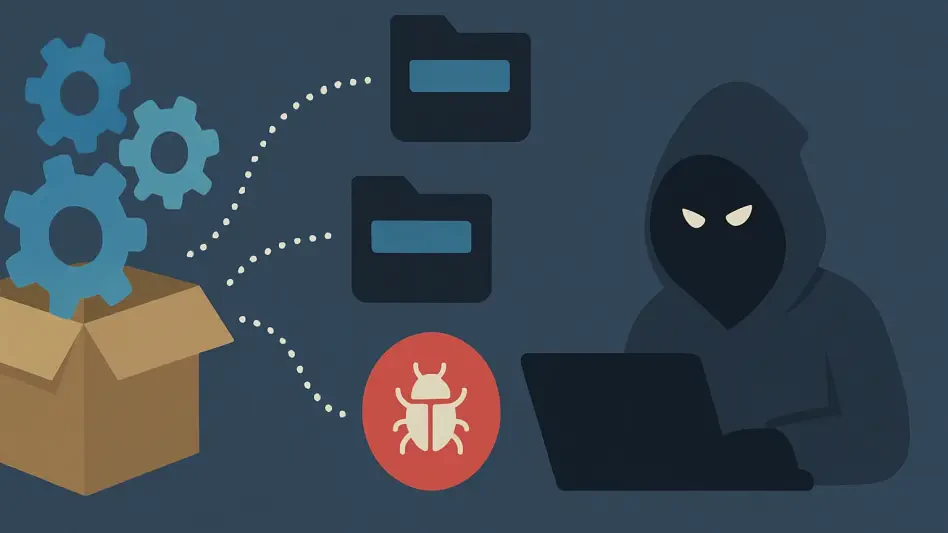

The once-distinct boundaries between technical hacking, financial fraud, and physical human exploitation have dissolved into a singular, predatory marketplace that functions with the efficiency of a global corporation. In 2026, the digital security landscape is undergoing a fundamental transformation as cybercrime transitions from isolated technical attacks into a sophisticated, highly integrated global economy. This shift is characterized by the “convergence” of formerly distinct activities—such as ransomware, money laundering, and human trafficking—into a singular, resilient ecosystem. Artificial intelligence acts as a primary catalyst in this evolution, enabling criminals to scale their operations with unprecedented speed and lower the technical barriers to entry for novice actors. This guide explores the mechanics of this converged economy and outlines the critical defensive practices necessary to mitigate these interconnected risks.
Understanding the Paradigm Shift Toward an Integrated Threat Ecosystem
To grasp the current threat landscape, one must recognize that modern cybercrime is no longer just about malicious code; it is about the professionalization of illicit services. Criminal syndicates now operate with complex supply chains, specialized divisions of labor, and shared infrastructure that mimics the efficiency of legitimate software providers. This industrialization allows a single vulnerability to be exploited across multiple criminal vectors, where an initial access broker sells entry points to a ransomware gang, which then relies on a separate money-laundering network to move illicit funds through decentralized finance platforms. The fluidity of this system ensures that stolen data is monetized multiple times, creating a self-sustaining cycle of reinvestment into more advanced attack technologies.
Artificial intelligence serves as the structural glue for this integration, providing the automation needed to manage these multifaceted operations at a global scale. By utilizing generative models and machine learning, threat actors can conduct sophisticated social engineering campaigns that are nearly indistinguishable from legitimate corporate communications, while simultaneously automating the scanning of millions of internet-connected devices for unpatched flaws. This capability has effectively democratized high-level cyberattacks, allowing even low-skilled perpetrators to participate in the converged economy by purchasing pre-configured, AI-driven tools that handle the complex technical heavy lifting of an intrusion. Consequently, the volume and velocity of attacks have reached levels that traditional, human-centric security models struggle to contain.
The result of this convergence is a heightened level of resilience within the criminal underground that challenges conventional law enforcement. When a single node of an operation is disrupted, the interconnected nature of the network allows other actors to quickly fill the void, sharing stolen data or rerouting traffic through redundant servers. This elasticity makes perimeter-focused defenses increasingly ineffective, as the threat is no longer a single spear but a shifting, multi-headed hydra that attacks from the digital, financial, and physical realms simultaneously. Organizations must therefore look beyond their own firewalls and understand the broader economic motivations that drive these sophisticated networks.
The Imperative for Adopting a Converged Defensive Strategy
Following modern best practices in cybersecurity is no longer optional; it is essential for survival in an era where AI-driven threats move faster than manual intervention. By adopting an integrated defensive posture, organizations can move beyond reactive measures and address the root causes of criminal success. This paradigm shift requires a move away from siloing security data within individual departments and instead fostering a culture of cross-functional transparency that treats every digital signal as part of a larger security narrative. When the defense is as integrated as the attack, the window of opportunity for a criminal actor to move laterally through a network is drastically reduced.
A converged response allows organizations to identify and block threats across multiple vectors simultaneously, preventing the cascading effects of professionalized attacks. For example, when a suspicious login is detected, a converged system should not just lock the account; it must trigger an immediate review of related financial transactions and alert the legal team to potential compliance risks. This holistic approach ensures that the defensive intelligence moves at the same speed as the criminal adaptation, neutralizing threats before they can escalate into full-scale crises that threaten the organization’s operational viability. Moreover, it prevents the same attacker from using the same tactics across different branches of the same enterprise.
Furthermore, the operational efficiency gained through automation and intelligence sharing reduces the manual burden on security teams, allowing them to focus on high-level strategy rather than chasing thousands of disconnected alerts. This strategic reallocation of resources is vital for cost mitigation, as disrupting the criminal economy early in the attack chain significantly lowers the financial impact of data breaches, fraud, and legal liabilities. In an era where the average cost of a breach continues to climb, the ability to preemptively dismantle a criminal campaign is a significant competitive advantage. Organizations that invest in converged defense are better positioned to maintain customer trust and regulatory compliance in a volatile digital environment.
Strategic Pillars for Disrupting the Converged Cybercrime Economy
To combat a professionalized criminal network, defenders must implement actionable steps that mirror the sophistication of their adversaries. This involves breaking down internal silos and participating in broader collective defense initiatives that extend beyond the walls of a single enterprise. The goal is to build a defense that is as interconnected and adaptive as the threats it seeks to neutralize, focusing on systemic disruption rather than individual mitigation. By aligning internal processes with global standards, organizations can contribute to a much larger effort to make the digital space hostile for illicit actors.
Organizations must prioritize the integration of their security stack to ensure that data flows seamlessly between detection, response, and recovery phases. This requires moving toward open architectures that support real-time data exchange between different security vendors and internal departments. By creating a unified defensive front, leaders can ensure that an insight gained in one area—such as a detected phishing pattern in a remote office—is immediately used to harden the defenses of the core financial systems and customer-facing applications. This internal synergy is the first line of defense against the coordinated efforts of the converged criminal economy.
Implementing a Shared Ecosystem View for Threat Intelligence
Organizations must move away from the isolated incident model and adopt a holistic view of the threat landscape to identify broader trends. This involves synthesizing data points from various sectors—such as finance, legal, and IT—to map the entire operating model of a criminal network. By identifying chokepoints in infrastructure or financial chains, the global community can collapse entire operations rather than just stopping a single attack. This shared visibility is the only way to counteract the anonymity and decentralization that criminals exploit to evade traditional law enforcement and corporate security teams.
The real-world implementation of this practice can be seen in initiatives like Singapore’s ScamShield program, which illustrates the power of an integrated ecosystem. By facilitating rapid information sharing and public education across government agencies and private partners, the initiative ensures that defensive intelligence stays ahead of criminal tactics. This model proves that when information is democratized and shared across boundaries, the speed of the criminal network is naturally throttled. For a private enterprise, this means contributing anonymized threat data to industry-specific sharing centers to help peers identify and block identical threats before they strike.
Moreover, adopting a shared ecosystem view allows for the identification of the human and physical components of digital crime that are often overlooked. By tracking the flow of illicit funds, investigators can often trace digital footprints back to physical operations, such as the scam compounds where human trafficking and forced labor occur. Understanding these connections enables a more ethical and comprehensive response, as it allows organizations to contribute to the broader mission of dismantling the infrastructure that sustains human suffering alongside financial theft. A business that secures its digital assets effectively also helps disrupt the funding for these tragic real-world atrocities.
Leveraging Global Cooperation to Create Operational Friction
The goal of modern defense is to shift the economics of cybercrime by making it less profitable and more difficult to execute. This requires active participation in cross-border law enforcement efforts and public-private partnerships that target the financial incentives of crime. Organizations contribute by reporting incidents promptly and sharing indicators of compromise, which allows authorities to target the underlying systems—such as fake loan platforms or mobile fraud apps—that sustain criminal enterprises. When the cost of doing business for a criminal gang exceeds their potential profit, the entire operation becomes unsustainable and eventually collapses under its own weight.
A prime example of this success is found in coordination efforts led by INTERPOL, such as Operation Red Card. Through late 2025 and into 2026, law enforcement across sixteen nations targeted the shared infrastructure used for mobile money fraud and digital theft. By focusing on the systemic nodes of the criminal economy—rather than just arresting low-level actors—the operation resulted in hundreds of arrests and the recovery of millions of dollars. This success demonstrates how global cooperation provides a significantly higher return on investment than pursuing isolated actors in a vacuum, proving that collective action is the most potent weapon in the defensive arsenal.
To sustain this friction, companies should participate in regional and global threat-sharing communities that provide early warnings about emerging AI-driven trends. These communities allow organizations to learn from the experiences of others, adopting proactive measures before a new wave of attacks reaches their own network. This collective vigilance creates a “neighborhood watch” for the digital world, where every member’s security is bolstered by the vigilance of the entire group. When an attacker realizes that their tools are being identified and blocked globally in real-time, their incentive to continue the campaign diminishes.
Conclusion: Shifting the Economics of Global Cyber Risk
The convergence of cybercrime, fueled by AI, represented a significant escalation in global risk where digital threats finally had direct, physical consequences. However, the interconnected nature of these criminal networks also provided a roadmap for their disruption. To succeed, the international community presented a unified front that leveraged shared intelligence and cross-sector collaboration. Enterprises, government agencies, and financial institutions stood to benefit the most from adopting these converged strategies, ensuring that every defensive action contributed to a larger, systemic impact. This era demanded that leaders looked beyond their individual organizations and recognized that their security was inextricably linked to the health of the entire digital ecosystem.
Before committing to new security investments, decision-makers prioritized platforms that supported open intelligence sharing and AI-driven automation. They focused on degrading the criminal ecosystem to a point where it was no longer scalable or profitable, ensuring a more secure digital and physical future for all stakeholders. This shift in perspective allowed the global community to move from a state of constant reaction to one of proactive deterrence. The industry fundamentally changed the cost-benefit analysis for cybercriminals, making it clear that the digital world was no longer a safe haven for illicit operations. Ultimately, the transition to a converged defense model successfully dismantled the financial foundations of the most predatory criminal networks.