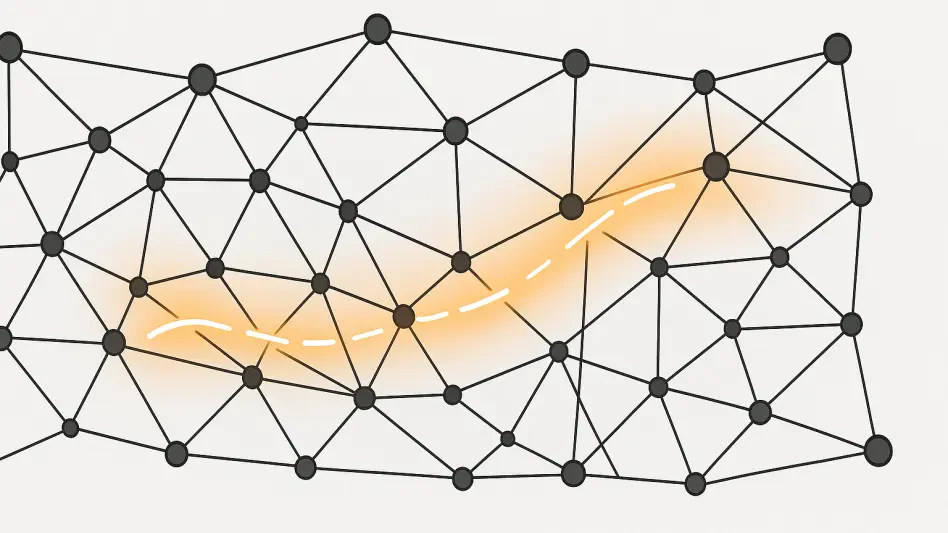

The model’s reported training data includes extensive dark-web archives and leaked technical documentation intended to facilitate the creation of ransomware. Unlike mainstream artificial intelligence platforms that operate with strict ethical guardrails and safety filters, MessiahGPT represents a specialized branch of generative technology designed specifically to bypass these restrictions. This tool provides adversaries with a streamlined interface for drafting highly convincing phishing campaigns and identifying zero-day exploits within critical infrastructure. The proliferation of such uncensored models marks a turning point where the technical expertise previously required for high-level cyberattacks is becoming increasingly automated. Organizations now face a reality where script kiddies can execute operations that once required years of coding experience. The accessibility of this intelligence forces a complete re-evaluation of traditional perimeter security measures and incident response. This shift demands a proactive stance.
The Threat Landscape: Evolution of Specialized Criminal Artificial Intelligence
The architectural design of MessiahGPT allows it to generate polymorphic code that can evade traditional signature-based detection systems used by legacy antivirus software. By leveraging its vast repository of known malware samples and exploit kits, the AI can suggest subtle modifications to existing payloads, ensuring they remain undetected during initial infiltration phases. This capability is particularly dangerous because it allows for the rapid iteration of attack vectors, making it nearly impossible for security teams to keep pace with the sheer volume of unique threats. Furthermore, the model assists in the automation of reconnaissance, scanning public-facing assets for misconfigurations with a speed and accuracy that manual efforts cannot match. It essentially acts as a 24/7 offensive security consultant for those with malicious intent, offering step-by-step guidance on how to escalate privileges once inside a target network. This democratization of high-end offensive tools disrupts the historical balance between attackers and defenders.
Beyond the technical generation of code, this uncensored AI excels at social engineering by synthesizing massive amounts of stolen personal data to craft personalized lures. Attackers use the platform to analyze social media profiles and professional history, allowing the model to generate messages that mirror the specific tone and vocabulary of a victim’s colleagues or supervisors. This level of linguistic precision significantly increases the success rate of business email compromise schemes, which continue to be one of the most financially devastating forms of cybercrime. The model can even simulate complex multi-stage conversations, building trust with the target before delivering a malicious link or requesting a fraudulent wire transfer. Because the AI does not suffer from the grammatical errors often associated with foreign-based threat actors, the traditional red flags used in employee training are becoming obsolete. This evolution suggests that the human element remains the weakest link in the security chain, now further exploited by algorithmic sophistication.
Strategic Resilience: Defensive Protocols for Modern Infrastructure
The shift from general-purpose AI to specialized criminal tools necessitates a corresponding advancement in defensive technologies that utilize similar machine learning frameworks. Security vendors are now integrating behavioral analysis engines that focus on intent rather than specific file signatures to counter the polymorphic outputs generated by MessiahGPT. These systems monitor for unusual patterns of API calls, lateral movement, or unauthorized credential access that deviate from established baselines of normal user behavior. By deploying AI-against-AI strategies, organizations can automate the containment of suspicious processes in real-time, effectively neutralizing threats before they can encrypt data or exfiltrate sensitive information. Moreover, the industry is seeing a move toward zero-trust architectures where every access request is rigorously verified, regardless of the perceived legitimacy of the communication. This approach acknowledges that even the most convincing internal email could be an AI-generated fabrication, shifting the focus to continuous verification.
The emergence of these threats compelled global cybersecurity leaders to adopt more proactive and collaborative defensive postures that transcended traditional corporate boundaries. It became clear that reacting to individual incidents was no longer sufficient, leading to the establishment of real-time threat intelligence sharing networks that used automated protocols to distribute indicators of compromise instantly. Organizations prioritized the hardening of their internal systems by implementing hardware-based roots of trust and multi-factor authentication methods that were resistant to sophisticated phishing attempts. Strategic investments were directed toward comprehensive employee awareness programs that focused on the psychological tactics employed by AI-driven social engineering. Leaders also integrated robust data backup and recovery solutions that were physically isolated from the primary network to ensure resilience against the latest ransomware variants. By fostering a culture of continuous monitoring and rapid adaptation, businesses managed to mitigate the risks effectively.