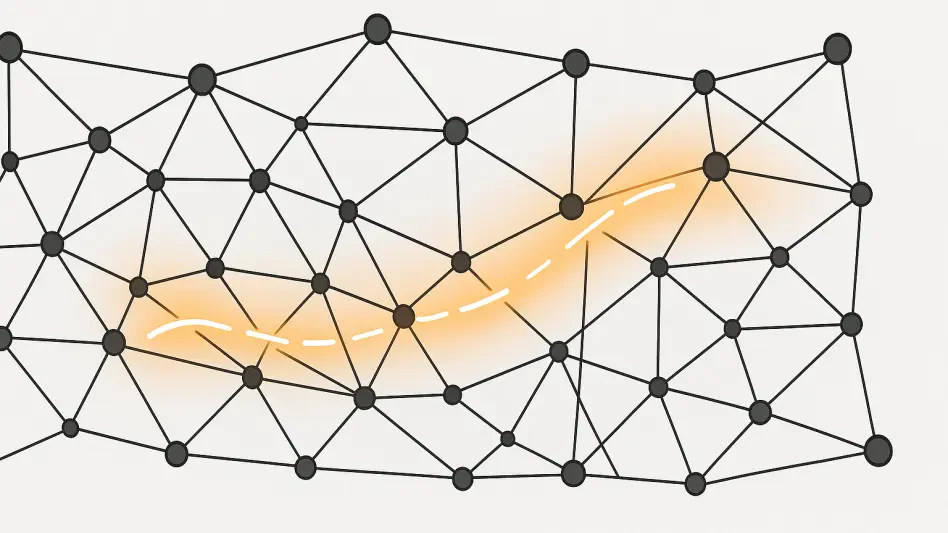

The sudden emergence of a sophisticated zero-day vulnerability, currently identified by security researchers as RoguePlanet, has sent shockwaves through the cybersecurity community by bypassing the core defenses of Windows Defender on fully patched systems. Unlike previous exploits that relied on user interaction or social engineering, this specific threat leverages a deep-seated flaw in the way Microsoft’s security engine processes fragmented file streams during real-time scans. The vulnerability allows an attacker to achieve remote code execution without triggering any of the heuristic alerts that usually protect millions of enterprise and consumer endpoints across the globe. By obfuscating malicious payloads within what appear to be benign system calls, the exploit effectively blinds the antivirus software at the very moment it should be most vigilant. This breach highlights a significant shift in the landscape of digital warfare, where even the most trusted security tools are being turned into conduits for compromise.
Mechanisms of the Exploit: Technical Underpinnings
The RoguePlanet exploit operates by exploiting a race condition within the Windows Defender Antimalware Service executable, which handles the initial assessment of incoming data packets. When a file is transferred over a local network or downloaded via an encrypted browser session, the malware splits its signature into multiple disparate fragments that are non-contiguous in the system memory. Under normal circumstances, the engine would reassemble these fragments for analysis, but the exploit injects a series of corrupted metadata headers that force the scanner into an infinite recursive loop. While the scanner is occupied with this artificial computational bottleneck, the primary payload executes in a separate, elevated process thread that inherits the permissions of the security service itself. This escalation of privilege is particularly dangerous because it bypasses the Windows User Account Control prompts, granting the attacker full administrative access to the underlying system.
Furthermore, the exploit demonstrates a high degree of environmental awareness by checking for the presence of sandboxed environments or virtualization layers before initiating its final sequence. If it detects a forensic analysis tool or a debugger, RoguePlanet remains dormant or mimics the behavior of a standard system update utility to evade detection. This level of sophistication suggests that the developers behind the exploit spent months studying the internal architecture of the Microsoft Malware Protection Engine to find this specific oversight. Once the environment is deemed safe for execution, the malware establishes a persistent presence by modifying the kernel-level boot configuration, ensuring it remains active even after a system reboot. This persistent nature, combined with the ability to disable subsequent security patches, makes remediation a complex process for IT administrators who must now manually verify the integrity of their system files.
Strategic Resilience: Moving Beyond Signature-Based Defense
To combat the long-term effects of exploits like RoguePlanet, IT departments must prioritize the implementation of comprehensive logging and auditing protocols that can trace the origin of unauthorized process executions. While the initial patch from the software vendor addressed the specific flaw in the scanning engine, the underlying methodology used by the attackers remains a potent threat to other system components. Implementing strict network segmentation and limiting the use of administrative accounts can significantly reduce the potential blast radius of such a compromise. Additionally, organizations should engage in regular threat hunting exercises to identify any latent indicators of compromise that may have been missed during the initial outbreak. By proactively searching for signs of unauthorized persistence, security teams can neutralize threats before they result in data exfiltration or catastrophic system failure. This proactive stance is essential for maintaining trust as system complexity grows.
The response to the RoguePlanet incident demonstrated that technical solutions alone were insufficient without a culture of constant vigilance and continuous improvement. Organizations that successfully navigated this crisis often utilized a combination of rapid patching cycles and advanced behavioral analytics to identify unusual patterns within their internal networks. They prioritized the training of their technical staff to recognize the subtle signs of a zero-day exploit, such as unexplained spikes in CPU usage or unexpected modifications to system registry keys. Moving forward, the focus shifted toward building inherently resilient systems that could function even when core security components were compromised. This involved the integration of automated response playbooks that could isolate infected nodes within milliseconds of detection, thereby preventing the spread of the infection. Ultimately, the lessons learned from this exploit provided a roadmap for developing more secure and adaptable defense mechanisms.