Imagine a digital fortress, built with the most trusted tools, suddenly breached in mere hours by adversaries wielding cutting-edge tactics. This isn’t a hypothetical scenario but the stark reality of the React2Shell bug, identified as CVE-2025-55182, a critical vulnerability in React Server Components that has sent shockwaves through the cybersecurity world. Disclosed earlier this year, this flaw, enabling unauthenticated remote code execution, has exposed glaring gaps in digital defense strategies. With threat actors exploiting it almost instantly and major players like Cloudflare forced to take drastic measures, the incident has sparked heated debates among experts. This roundup gathers diverse perspectives from across the industry, diving into the implications of this crisis, comparing opinions on response strategies, and exploring what it means for the future of cybersecurity.
Unraveling the Crisis: What Experts Are Saying About React2Shell
The React2Shell vulnerability has become a lightning rod for discussions on how prepared—or unprepared—organizations are for zero-day threats. Many in the field point to the bug’s severity, with its maximum CVSS score of 10.0, as a wake-up call. A critical flaw in the react-server package, it allows attackers to execute arbitrary code without authentication, putting countless web applications at risk. Industry analysts emphasize that the speed of exploitation, particularly by sophisticated threat groups, has shattered assumptions about response timelines. Some argue that traditional 30-day patching windows are obsolete, pushing for immediate action even at operational costs.
In contrast, a segment of security professionals cautions against overreacting with hasty updates that could introduce new issues. They advocate for a balanced approach, suggesting that while urgency is key, thorough testing of patches remains vital to avoid unintended consequences. This split in opinion highlights a broader tension in the community: the race to secure systems versus the risk of disrupting them. The consensus, however, leans toward reevaluating how vulnerabilities in widely used frameworks like React.js are managed, with many calling for more robust pre-release testing.
Threat Actor Agility: State-Sponsored Speed Under the Microscope
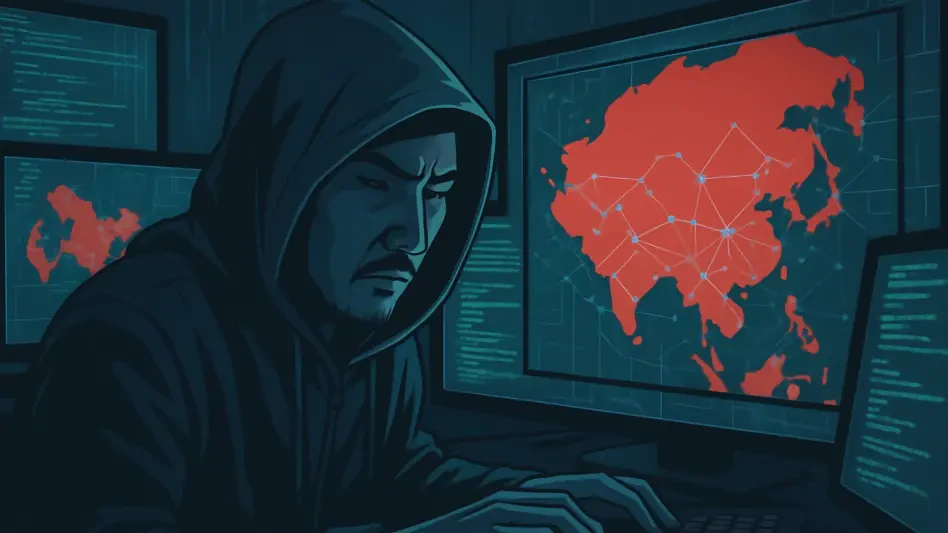
One of the most alarming takeaways from this incident is the rapid response by China-linked threat groups such as Earth Lamia and Jackpot Panda. Cybersecurity researchers note that these actors blended automated tools with manual debugging to exploit the bug within hours of its disclosure. This level of agility, described by some as akin to military precision, has left defenders scrambling. Experts in threat intelligence underscore that such sophistication signals a new era of professionalized cyberattacks, where adversaries monitor vulnerability disclosures as closely as security teams do.
Differing views emerge on how to counter this speed. Some specialists push for enhanced real-time monitoring and automated defense mechanisms to match the pace of attackers. Others, however, stress that technology alone isn’t enough, arguing for deeper international cooperation to address the geopolitical roots of state-sponsored threats. This divide reflects the complexity of the challenge—while tactical solutions are urgent, the strategic implications of nation-state involvement demand broader, systemic responses that aren’t easily implemented.
AI’s Role: Game-Changer or Double-Edged Sword?
The influence of artificial intelligence in the React2Shell saga has sparked intense discussion among tech and security circles. On one hand, AI is credited with accelerating attackers’ ability to craft and test exploits at unprecedented speeds, flooding the landscape with both genuine threats and distracting fake payloads. Many experts warn that this dual impact overwhelms defenders, who struggle to sift through noise while racing against time. The consensus here is clear: AI has tilted the battlefield, often favoring those on the offensive.
On the flip side, there’s growing concern about AI’s role in creating vulnerabilities in the first place. Some developers and analysts suggest that AI-assisted coding tools, designed to boost productivity, might introduce subtle flaws like serialization errors if not rigorously vetted. A smaller but vocal group counters that blaming AI is premature, emphasizing human oversight as the ultimate safeguard. This debate points to an emerging need for updated threat models that account for machine-generated risks, a perspective gaining traction as AI becomes integral to software development.
Cloudflare’s Bold Play: A New Standard for Crisis Response?
Cloudflare’s decision to enforce a deliberate 25-minute outage to mitigate React2Shell exploitation has divided opinions, yet many see it as a defining moment. Proponents within the infrastructure security space hail the move as a courageous pivot, prioritizing protection over uptime—a sacred tenet in the industry. They argue that this calculated risk sets a benchmark for handling critical threats, especially when global internet traffic is at stake. The message, according to these voices, is that waiting for scheduled maintenance is no longer viable in high-stakes scenarios.
Critics, however, question whether such drastic measures should become the norm, citing potential disruptions to users and businesses. They propose that better preemptive strategies, like layered defenses, could reduce the need for emergency outages. Despite the disagreement, there’s a shared recognition that Cloudflare’s action has reframed the conversation around risk management. It challenges organizations to rethink uptime as an absolute priority, pushing toward more dynamic, situation-based responses in the face of evolving threats.
Lessons Learned: Building Stronger Defenses Together
Synthesizing these varied insights reveals a few core lessons from the React2Shell incident. The collapse of traditional response windows stands out, with most experts agreeing that shorter patching cycles are non-negotiable. Additionally, the sophistication of state-sponsored actors underscores the need for proactive threat monitoring and agile countermeasures. AI’s disruptive presence, both as a tool for attackers and a potential source of flaws, calls for tighter scrutiny of automated development practices and enhanced filtering of misleading data.
Beyond these technical takeaways, there’s a broader push for cultural shifts within the industry. Many voices advocate for greater collaboration between developers, security teams, and even policymakers to address systemic vulnerabilities and geopolitical risks. While opinions differ on specific tactics—ranging from automated defenses to international frameworks—the underlying theme is unity. The incident has exposed shared weaknesses, prompting a collective drive toward fortifying the digital ecosystem against increasingly complex threats.
Reflecting on a Pivotal Moment
Looking back, the React2Shell crisis served as a critical turning point for cybersecurity, uniting disparate voices in recognition of an urgent need for change. It exposed the fragility of long-standing practices and the relentless pace of modern threats. Moving forward, organizations should focus on actionable strategies like integrating real-time threat intelligence into daily operations and investing in robust code auditing, especially for AI-driven development. Exploring partnerships across sectors to share insights and resources could also prove vital. As the dust settles, the industry stands at a crossroads, with an opportunity to build resilience by learning from this incident and anticipating the next challenge on the horizon.