As freezing temperatures and blizzards swept across Poland just before the New Year, a far more insidious storm was brewing in the nation’s cyberspace, threatening to plunge millions into darkness and cold. A sophisticated, multi-pronged cyberattack targeting critical energy infrastructure was underway, aimed not at theft but at pure destruction. The incident, which unfolded on December 29, 2025, represents a watershed moment in industrial cybersecurity, highlighting both the escalating threats to national power grids and the critical importance of a modern, resilient defense. While the attackers’ ultimate goal was to cause widespread disruption, their efforts were largely foiled by a combination of advanced technology and robust system design, offering crucial lessons for the global energy sector.
The New Battlefield Poland’s Digitally Integrated Energy Grid
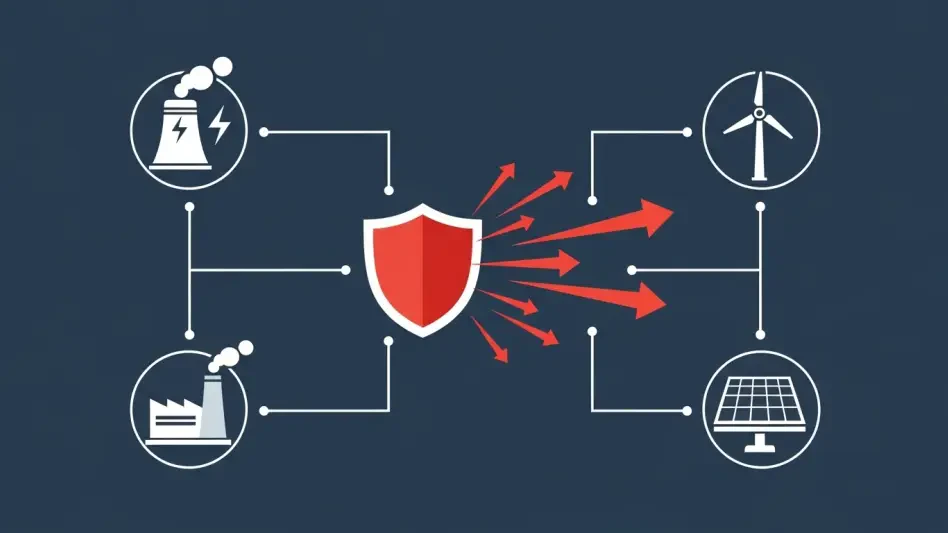
Poland’s contemporary energy infrastructure is a complex hybrid, skillfully balancing the steadfast output of traditional combined heat and power (CHP) plants with the variable nature of a rapidly expanding network of distributed renewable energy sources. This modern grid integrates thousands of wind turbines and solar farms, creating a decentralized system that enhances efficiency and sustainability. However, this integration also introduces an expanded digital attack surface, transforming the landscape of energy management into a new kind of battlefield.
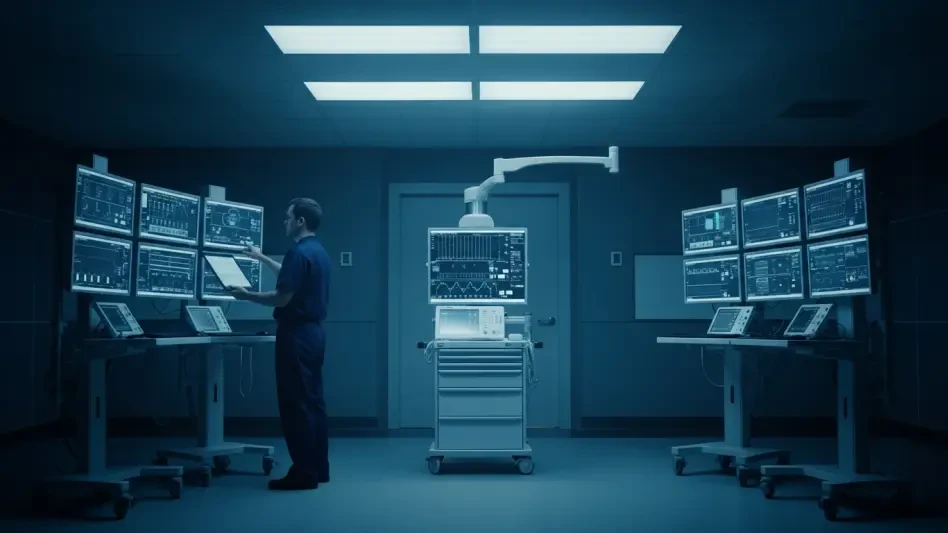
The seamless operation of this intricate network depends entirely on a vast web of Operational Technology (OT). Industrial automation systems, including Supervisory Control and Data Acquisition (SCADA), Human-Machine Interfaces (HMIs), and Remote Terminal Units (RTUs), function as the grid’s central nervous system. These technologies enable operators to monitor conditions, control power flow, and manage generation in real time. Their reliability is paramount for matching supply with demand and maintaining grid stability, a task that becomes exponentially more challenging with the inclusion of intermittent renewable sources.
This digitally controlled infrastructure is unequivocally a matter of national security. Its continuous function is vital for the economy, public services, and the well-being of citizens. During periods of high demand, such as the severe winter conditions experienced during the attack, the grid operates under maximum stress. Any disruption, whether from physical damage or a digital assault, carries the potential for catastrophic consequences, turning a targeted cyber event into a widespread societal crisis.
Anatomy of the Attack a Coordinated Assault on the Grid’s Edge
The Attacker’s Playbook From Infiltration to Destruction
The assault was a meticulously planned, multi-stage operation executed with patience and precision. The campaign began long before the final destructive act, with the attackers first achieving initial infiltration into the target networks. This was followed by a prolonged period of clandestine reconnaissance, during which the adversary moved silently through the systems, mapping the infrastructure and stealing sensitive operational data. This intelligence-gathering phase was crucial, allowing the attackers to understand the inner workings of the plants and identify key control points.
With a deep understanding of the environment, the adversary escalated their privileges, eventually gaining access to highly sensitive accounts with administrative rights. This level of access allowed them to navigate freely within the internal networks of both a major CHP plant and numerous renewable energy sites. The ultimate objective, however, was not espionage or financial extortion. The attacker’s sole intent was sabotage, aiming to deploy destructive wiper malware designed to irreversibly corrupt data and damage devices, effectively bricking critical operational systems.
The timing of the assault was a strategic masterstroke intended to amplify its impact. By launching the attacks as Poland grappled with blizzards and plummeting temperatures, the adversary sought to maximize societal disruption. An interruption in heat supply to half a million customers and instability in the power grid during such a vulnerable period would have caused immense public distress and chaos, demonstrating the attacker’s calculated and malevolent intent.
Shifting Tactics Targeting the Vulnerable Edge
This incident marks a significant evolution in cyber warfare tactics against the energy sector. Historically, adversaries have focused their efforts on centralized control systems and corporate IT networks. In contrast, this attack demonstrated a strategic pivot toward the distributed edge of the grid, with coordinated strikes against more than 30 separate renewable energy sites, including wind and photovoltaic farms. This shift reflects the changing nature of the grid itself and the new vulnerabilities created by decentralization.
The assault stands as the first publicly documented, large-scale cyberattack aimed directly at distributed energy resources (DERs). By targeting the power substations that act as collection points for wind and solar power, the attackers aimed to sever the limbs of the grid rather than striking at its heart. Their plan involved damaging the firmware of controllers, deleting system files, and deploying wiper malware to cripple the industrial automation devices managing these remote sites.
While the attack did not lead to a loss of power generation, it successfully achieved a significant intermediate objective: the loss of remote view and control. The damage to RTU controllers at the renewable sites broke the communication link with distribution network operators, rendering the stations invisible and unmanageable from a central location. This outcome demonstrates a potent new threat vector for the global energy sector, proving that even without causing a blackout, attackers can sow chaos and undermine the integrity of grid management systems.
A Resilient Defense How Poland’s Digital Shield Held Firm
Despite the sophistication and destructive intent of the attack, Poland’s defensive measures proved remarkably effective. A critical element in thwarting the main assault on the CHP plant was the deployment of modern cybersecurity tools. As the attackers attempted to execute their wiper malware, an advanced Endpoint Detection and Response (EDR) solution immediately identified the malicious activity and blocked it. This automated intervention was the crucial last line of defense that prevented irreversible damage to the plant’s internal network and machinery.
The attack’s success was ultimately very limited. At the CHP plant, which supplies heat to nearly half a million people, operations continued without interruption. The EDR software’s successful block meant that the attackers’ primary goal of disrupting the heat supply during a cold snap failed completely. Similarly, although communication was lost at the renewable energy sites, current electricity production was not affected. The facilities continued to generate and transmit power to the grid, highlighting a partial but significant defensive victory.
This outcome also speaks to the inherent resilience engineered into the grid’s design. The decentralized nature of the system, while creating more targets, also prevented a localized disruption from cascading into a grid-wide failure. The inability of the attackers to turn a loss of communication at the edge into a widespread power outage demonstrates the value of building redundancy and fault tolerance into critical infrastructure, ensuring that single points of failure do not lead to systemic collapse.
The Shadowy Adversary Attributing the Digital Assault
The process of attributing such a sophisticated attack requires careful analysis of digital forensics, infrastructure, and behavioral patterns. Investigators from CERT Polska determined that the assault was the work of a highly capable state-sponsored actor. Analysis of the compromised servers and routers, network traffic, and anonymization techniques revealed significant overlaps with the infrastructure and methods used by a group known publicly by several names, including ‘Static Tundra,’ ‘Berserk Bear,’ and ‘Ghost Blizzard.’
Evidence linking this incident to the ‘Static Tundra’ cluster is compelling. Publicly available intelligence on this actor shows a long-standing and significant interest in the global energy sector, along with a demonstrated capability to attack industrial equipment. The tools, techniques, and procedures observed during the attack on Poland’s grid are consistent with the group’s established modus operandi. This event, however, is notable as the first publicly described destructive campaign attributed to this particular activity cluster, signaling a potential escalation in its objectives.
Such an attack carries profound geopolitical implications, representing a hostile act in the digital domain that targets a nation’s foundational infrastructure. It underscores the critical importance of international cooperation in cybersecurity. Sharing threat intelligence, attribution data, and defensive strategies between nations and private sector partners is essential for building a collective defense against state-sponsored adversaries who operate without regard for borders.
Fortifying the Future Hardening OT Against Emerging Threats
This incident serves as a stark reminder of the evolving threat landscape for critical infrastructure. Adversaries are no longer just probing for weaknesses; they are demonstrating a clear capability and intent to cross the digital-physical divide to cause tangible disruption and destruction. The attack on Poland’s grid shows that OT environments, once considered isolated and secure, are now squarely in the crosshairs of the world’s most sophisticated threat actors.
A key strategic imperative moving forward is to bridge the long-standing gap between Information Technology (IT) and Operational Technology (OT) security practices. For decades, these two domains were managed in separate silos, but with increasing connectivity, this separation is no longer viable. Creating a unified defense posture that applies robust IT security principles—such as advanced threat detection, zero-trust architecture, and continuous monitoring—to the unique environment of OT is essential for protecting industrial control systems from modern threats.
The challenges ahead are significant and growing. The rapid expansion of the Internet of Things (IoT) and the continued integration of distributed energy devices will further enlarge the attack surface that must be secured. Protecting this sprawling, interconnected network of sensors, controllers, and smart devices against persistent and well-resourced adversaries will require a fundamental shift in how the energy sector approaches cybersecurity, demanding continuous innovation and investment to stay ahead of emerging threats.
Lessons Learned and the Path Forward for Grid Security
The foiled attack on Poland’s energy sector provided a wealth of critical insights, confirming both the extreme severity of the threat posed by state-sponsored actors and the tangible value of a proactive, technology-driven defense. The incident was a real-world stress test that validated the effectiveness of modern security tools like EDR in OT environments while simultaneously exposing the vulnerabilities inherent in a distributed, digitally managed grid. It crystallized the reality that defensive success relies on a combination of advanced protection, system resilience, and swift response.
In the wake of the event, CERT Polska issued a set of official recommendations to fortify the nation’s energy infrastructure. These directives urge organizations to enhance system log monitoring for indicators of compromise, harden OT security configurations according to established best practices, and streamline incident reporting to national CSIRTs. Furthermore, organizations are advised to maintain up-to-date contact information and register their network assets to enable proactive monitoring and rapid communication during a crisis. These measures represent a clear, actionable roadmap for raising the baseline of cybersecurity across the entire sector.
Ultimately, this incident underscored the urgent and perpetual need for sustained investment in advanced cybersecurity measures. Protecting critical national infrastructure in an era of persistent digital threats is not a one-time project but an ongoing commitment. Building stronger public-private partnerships, fostering a culture of security, and embracing innovative defensive technologies are no longer optional but are fundamental to ensuring national security and economic stability in an increasingly connected world.