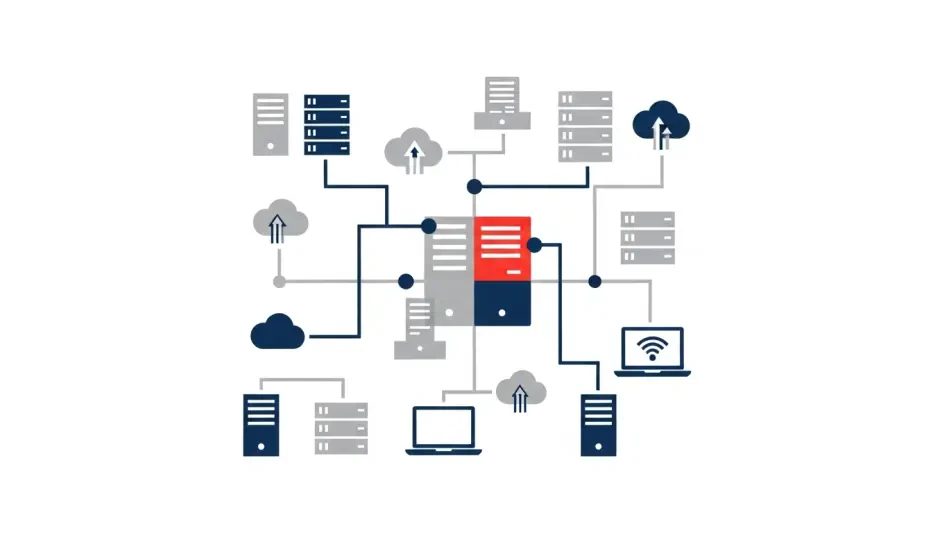
The modern corporate network has morphed into a sprawling, intricate web of connections where silent vulnerabilities often hide beneath the surface of daily operations. This rapid expansion creates a landscape where maintaining visibility over every single endpoint, server, and cloud instance becomes a monumental task for even the most well-funded security teams. Understanding the depth of these visibility gaps is essential for any organization that intends to protect its sensitive data from increasingly sophisticated external threats.
Exploring the scope of these challenges reveals that the issue is not merely a lack of technology but a failure of coordination and management. As infrastructure becomes more fragmented across various environments, the chance for an asset to go unmonitored grows exponentially. The following sections address the most pressing questions regarding how these gaps form and what can be done to secure the modern attack surface.
Key Questions or Key Topics Section
Why Are so Many IT Assets Currently Operating Without Essential Security Controls?
Security professionals often struggle with a phenomenon known as tool sprawl, where a fragmented collection of software platforms fails to provide a unified view of the digital environment. When management tools for identity, cloud infrastructure, and patching do not communicate effectively, individual assets inevitably fall through the cracks and remain unprotected. Moreover, the lack of centralized oversight means that security teams are frequently unaware of the total number of devices they are actually responsible for protecting.
Research indicates that one in three IT assets currently lacks at least one critical safeguard, such as standard endpoint protection or inclusion in enterprise management systems. Specifically, nearly 18 percent of assets are not covered by regular patching protocols, while 17 percent remain entirely invisible to traditional vulnerability scanners. This deficiency creates massive blind spots that attackers can easily find and exploit before the security team even realizes the asset exists.
How Does the Persistence of Legacy Technology Impact Modern Organizational Safety?
Legacy systems represent a stubborn anchor that prevents organizations from achieving a truly modern security posture in the current environment. Many environments continue to host end-of-life assets that no longer receive official vendor updates, often because critical business applications depend on outdated software architectures. This reliance creates a permanent risk profile that cannot be solved by standard defensive measures.
Data suggests that approximately 19 percent of current IT assets are considered end-of-life, which means they are no longer supported by their original creators. Organizations frequently assume that migration projects have successfully removed these risks, but without continuous independent validation, decommissioned systems often stay active on the network. This failure to properly validate remediation efforts allows old vulnerabilities to persist indefinitely.
Why Has There Been a Significant Shift in the Tactics Used by Modern Cyber Attackers?
Attackers have moved toward the path of least resistance by prioritizing methods that require less technical effort than finding brand-new zero-day vulnerabilities. While direct exploits of external software flaws have declined significantly, the abuse of remote access services has exploded to account for a vast majority of security incidents. This trend proves that cybercriminals prefer to use legitimate entry points that have been poorly secured.
This shift highlights a frustrating reality where every one of the most frequently exploited vulnerabilities in recent times already had a functional patch available. The issue is rarely a lack of technical solutions but rather a systemic failure to apply those updates to unmanaged or overlooked portions of the network perimeter. When a patch for a major vulnerability like CVE-2024-40766 is ignored, it essentially invites a breach.
What Is the Role of Contextual Risk Management in Streamlining Defensive Efforts?
The sheer volume of security alerts and vulnerability reports can easily overwhelm IT departments, leading to a state of paralysis or purely reactive decision-making. Simply identifying every single bug is no longer a viable strategy in a world where the attack surface is constantly shifting. Without a way to prioritize these findings, teams often waste time on minor issues while critical threats go unaddressed.
Contextual risk management solves this by prioritizing vulnerabilities based on their real-world impact and exposure. A moderate flaw on an internet-facing server presents a much higher danger than a critical vulnerability on an isolated, non-essential system. By combining technical data with threat intelligence, organizations can move away from reactive patching and focus on proactive exposure management.
Summary or Recap: Building a More Resilient Strategy
Addressing the security gap requires a shift from simply counting vulnerabilities to managing total exposure across the entire network. High visibility and the consistent application of controls are more effective than simply deploying the latest niche security tools. This approach ensures that every asset is accounted for and protected according to its specific risk profile rather than its age or location.
Moreover, the success of a modern security strategy depends on the ability to validate that security controls are actually functioning as intended. Moving toward a unified view of the environment allows teams to identify disconnected inventories and eliminate the tool sprawl that causes assets to go unmanaged. Organizations that prioritize these foundational elements are better positioned to resist the evolving tactics of modern threat actors.
Conclusion or Final Thoughts: Navigating the Threat Landscape
The shift toward comprehensive exposure management suggested that organizations finally recognized the limitations of reactive patching. By adopting a unified view of the entire digital environment, IT leaders effectively minimized the blind spots that previously allowed attackers to persist. This transition from fragmented tools toward integrated validation marked a significant evolution in defensive strategy that moved beyond simple vulnerability counts.
Ultimately, the goal of these modern security efforts was to create a resilient infrastructure where no asset remained invisible. As teams moved away from legacy dependencies and toward contextual prioritization, they discovered a more sustainable way to manage risk. This proactive stance ensured that even as the attack surface continued to expand, the protective measures evolved just as quickly to meet new challenges.