An especially dangerous vulnerability within VMware’s ubiquitous vCenter Server is now being actively exploited by attackers, transforming a theoretical security flaw into an urgent and tangible threat to enterprise data centers worldwide. This development marks a critical inflection point for IT administrators, where the delay of even a single patch cycle can lead directly to a full-scale system compromise. This report provides a detailed analysis of the current threat landscape, the official response, and the immediate steps required to secure your virtual infrastructure.
The Digital Keystone Why vCenters Security is Non Negotiable
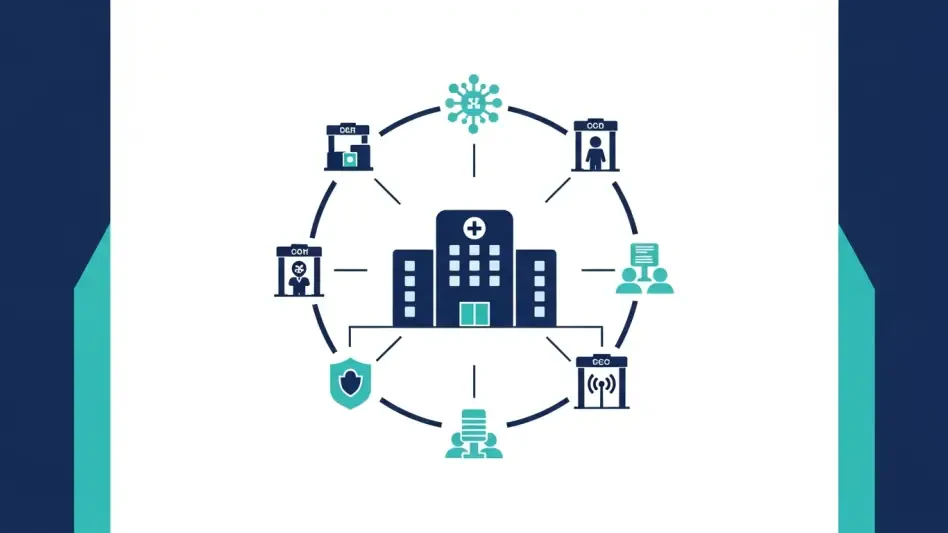
In the landscape of modern enterprise IT, VMware vCenter Server stands as a central pillar of control and management. It is the command center for the entire virtualized environment, providing administrators with a single pane of glass to deploy, manage, and monitor virtual machines, hosts, and clusters. Its function is analogous to an air traffic control tower for the data center; without it, the coordinated and efficient operation of countless digital services would descend into chaos. This centralization, while a cornerstone of operational efficiency, also creates an unparalleled single point of failure from a security perspective.
Consequently, vCenter Server has emerged as a high-value target for a wide spectrum of malicious actors. For cybercriminals, gaining control over vCenter is the equivalent of acquiring a master key to every digital asset an organization possesses, opening the door for widespread ransomware deployment or data exfiltration. For nation-state actors, compromising this core infrastructure provides a powerful foothold for espionage, disruption, and persistent access deep within a target network. The strategic importance of vCenter cannot be overstated, making its security a non-negotiable priority for any organization leveraging virtualization.
Anatomy of an Exploit Understanding the Current Threat Landscape
An Alarming Pattern The Rise of Virtualization Focused Attacks
The current threat environment shows a clear and concerning pattern: adversaries are increasingly shifting their focus from endpoint devices to the core management platforms that underpin enterprise infrastructure. This strategic pivot allows attackers to achieve a much greater impact with a single successful exploit. Instead of compromising individual machines one by one, they can seize control of the very fabric of the data center, amplifying their disruptive capabilities exponentially. This trend elevates the importance of securing foundational technologies like vCenter.
The latest manifestation of this threat is CVE-2024-37079, a critical vulnerability that exemplifies the danger of this attack vector. This flaw, an out-of-bounds write issue within vCenter’s implementation of the DCERPC protocol, allows an attacker with network access to send specially crafted packets that can trigger remote code execution. This is not a minor bug; it is a direct pathway to complete system takeover, and its public disclosure has put a powerful weapon into the hands of skilled adversaries.
Gauging the Impact Critical Metrics and Official Alerts
The severity of CVE-2024-37079 is not a matter of subjective opinion but is quantified by its Common Vulnerability Scoring System (CVSS) rating of 9.8 out of a possible 10. This near-maximum score reflects the ease of exploitation and the devastating potential impact, which includes a total loss of confidentiality, integrity, and availability of the targeted system. Such a high score serves as an unambiguous signal to the cybersecurity community that the vulnerability requires immediate attention.
Adding to the urgency, Broadcom, VMware’s parent company, has officially confirmed that exploitation of this vulnerability “has occurred in the wild.” This confirmation moves the threat from a potential risk to a clear and present danger. Security experts have noted that this follows a familiar script, where publicly disclosed flaws in high-value targets like vCenter are quickly weaponized by threat actors, as was the case with previous vulnerabilities exploited by state-sponsored hacking groups.
The Patching Predicament Why Known Vulnerabilities Persist as Major Threats
One of the most persistent challenges in enterprise security is the “patching gap”—the critical period between the release of a security fix and its deployment across an organization’s systems. While a patch for CVE-2024-37079 is available, the reality is that many vCenter servers remain unpatched and vulnerable. The complexity of modern IT environments, which often involve stringent testing protocols, change management processes, and concerns about operational disruption, can significantly delay the application of essential security updates.
This predicament is compounded by the fact that attackers often exploit these vulnerabilities after gaining an initial foothold within a network through other means, such as phishing or exploiting a different weakness. Security analysis suggests that successful attacks on vCenter typically originate from within a compromised network, as these critical management servers should never be directly exposed to the public internet. This highlights the critical need for internal network vigilance and segmentation, as a strong perimeter is no longer a sufficient defense against an adversary who is already inside.
A Federal Mandate The Regulatory Response to a Clear and Present Danger
The active exploitation of CVE-2024-37079 prompted a swift and decisive response from the U.S. Cybersecurity and Infrastructure Security Agency (CISA), underscoring the gravity of the threat to national critical infrastructure. CISA’s primary mechanism for responding to such threats is its Known Exploited Vulnerabilities (KEV) Catalog, a curated list of flaws that are confirmed to be actively used by malicious actors. A vulnerability’s inclusion in this catalog is a directive, not a suggestion.
By adding CVE-2024-37079 to the KEV Catalog, CISA mandated that all Federal Civilian Executive Branch agencies apply the necessary patches by a strict deadline. This federal mandate serves a dual purpose: it directly hardens government networks against a known threat and also acts as a powerful signal to the private sector. The message is clear: when a vulnerability is being actively exploited in the wild, patching is no longer a routine maintenance task but an urgent operational imperative for all organizations.
Fortifying the Future Evolving Defenses for Virtual Environments
Looking ahead, securing virtualization infrastructure requires a strategic evolution beyond reactive patch management. While timely patching is a foundational and non-negotiable security control, it is only one component of a comprehensive defense-in-depth strategy. The increasing sophistication of attackers, who are adept at finding and exploiting weaknesses in core infrastructure, demands a more proactive and resilient security posture.
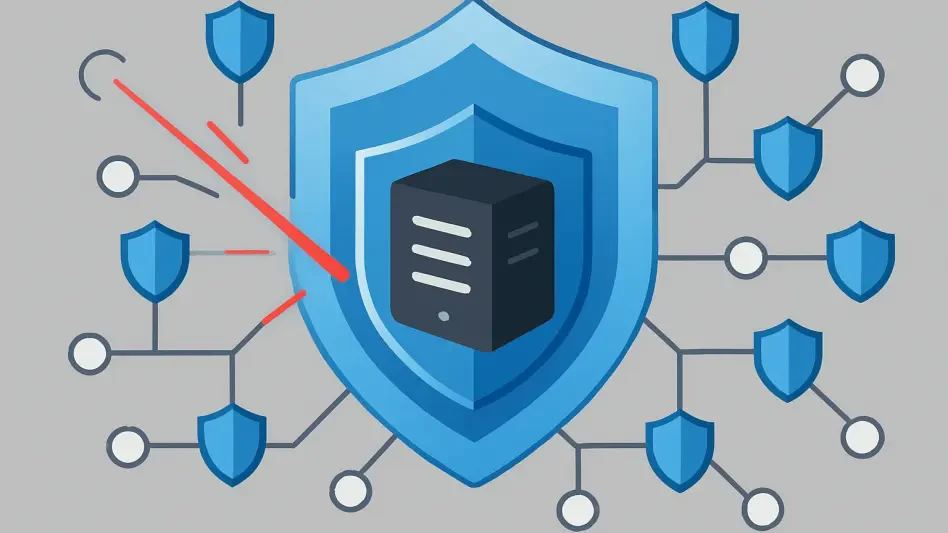
The future of securing virtual environments will place a greater emphasis on layered security architectures grounded in zero-trust principles. This involves rigorous network segmentation to isolate critical management platforms like vCenter Server from general network traffic, thereby reducing the attack surface. Furthermore, organizations must invest in proactive threat hunting and advanced monitoring capabilities designed to detect anomalous activity within the management plane itself. Defending the data center of tomorrow means assuming a breach is possible and building systems that can detect, contain, and respond to threats that bypass traditional perimeter defenses.
Your Immediate Action Plan From Vulnerability to Resilience
The situation is unambiguous: a critical vulnerability, CVE-2024-37079, is being actively exploited to compromise VMware vCenter Servers. This is not a theoretical risk but an ongoing campaign by unknown attackers that can lead to a complete takeover of an organization’s virtualized infrastructure. The combination of a near-perfect severity score and official confirmation of “in the wild” attacks creates a scenario where inaction is an unacceptable risk.
Therefore, the most critical and immediate step for every system administrator is to prioritize the application of VMware’s security patches. All other tasks should be secondary to closing this dangerous security gap. Mitigating the risk posed by this vulnerability is the first and most important action in moving from a state of vulnerability to one of resilience. Protecting the digital keystone of the modern data center requires immediate and decisive action.