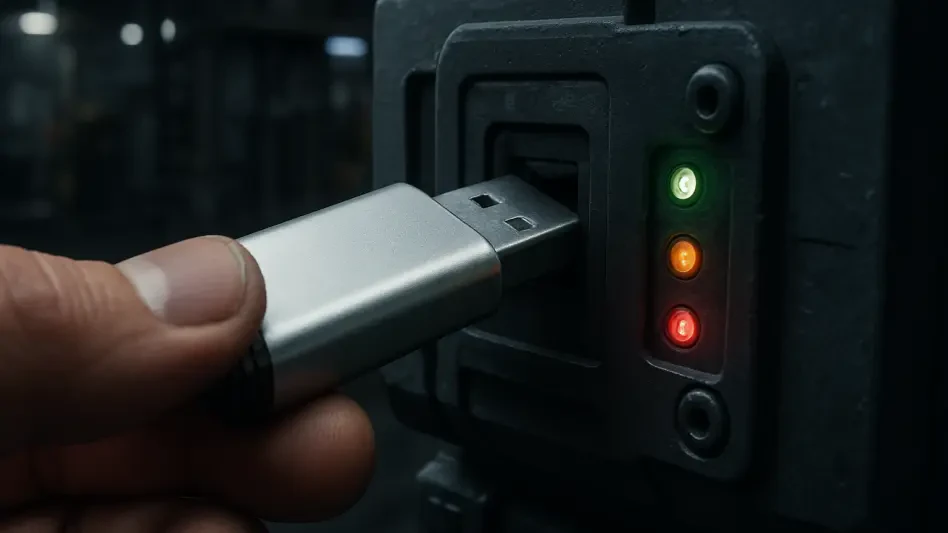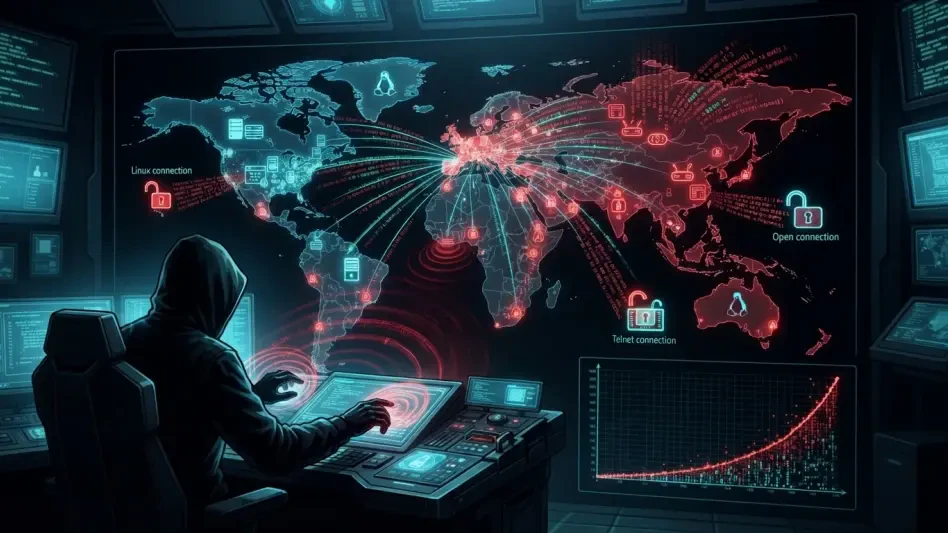
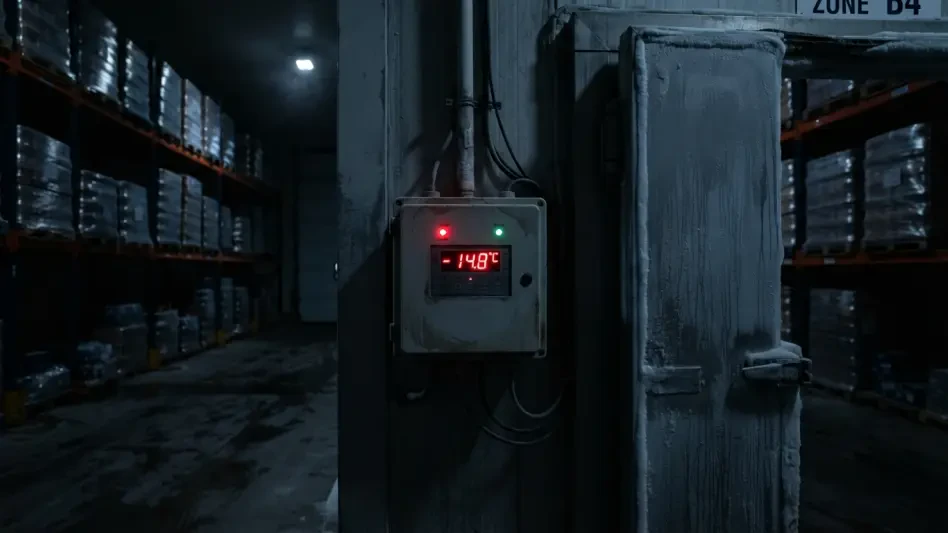
The European Commission is now evaluating the risk of hybrid threats as cyberattacks begin to target the tangible physical components of the food supply chain. A sophisticated wave of cyber-sabotage has recently swept across the continent, signaling a dangerous shift in the digital threat landscape. Moving beyond traditional data theft or financial extortion, unidentified actors have targeted the physical infrastructure of the food supply chain, specifically the refrigeration and freezer systems of major retail chains. This coordinated effort has struck supermarkets in Sweden, Belgium, Luxembourg, Ireland, and France, transforming routine grocery operations into a front line for international security concerns. The geographic reach of these attacks demonstrates a high level of planning and execution. In Sweden, industry giants like ICA and Coop reported localized disruptions, while in Belgium and Luxembourg, major players such as Ahold Delhaize and the Colruyt Group faced significant system compromises throughout the current year. These incidents are not isolated; they follow a precursor wave in France that affected hundreds of stores. By hitting diverse markets simultaneously, the perpetrators have proven that the interconnected European food grid is vulnerable to transnational disruption.
The Hidden Risk: Modern Cooling Technology
The technical mechanics of the breach highlight a critical vulnerability in modern retail: the weaponization of the Internet of Things (IoT). Hackers gained unauthorized remote access to industrial cooling units, manually spiking temperatures to levels that guaranteed food spoilage. Many of the affected systems utilized specialized temperature control technology from manufacturers like Danfoss that, while efficient for logistics, lacked the robust security protocols found in traditional IT sectors. This transition from mechanical to networked systems has created a sprawling attack surface that is difficult for retailers to defend and even harder for forensic teams to trace effectively. In some instances, meat lockers were intentionally adjusted to 50 degrees Celsius, effectively cooking the stock from within while store managers were away. Such precision suggests that the attackers possessed deep knowledge of industrial control protocols and specifically targeted the software interfaces managing these units. By manipulating the digital twin of the physical cooling process, the saboteurs caused maximum damage without ever setting foot in the facility, highlighting the terrifying reach of remote operational interference.
The Vulnerability: Networked Industrial Systems
Retail environments are increasingly viewed as easy targets because they manage vast estates of interconnected devices, ranging from building management systems to security cameras. These systems, once isolated and mechanical, are now fully networked to allow for centralized energy management and maintenance. However, this connectivity has outpaced the implementation of defensive measures, leaving almost no forensic footprint for cyber defenders to follow. Experts from firms such as SentinelOne noted that these systems often operate on legacy software or lack multi-factor authentication, making them ripe for exploitation by sophisticated actors. The scale of the current disruption, spanning from Swedish grocers to Belgian franchises, illustrates how a single vulnerability in a widely used industrial component can ripple across an entire economic sector. The absence of traditional malware signatures in these attacks further complicates the response, as the culprits utilized legitimate remote-access tools to cause damage. This evolution in tactics means that traditional antivirus software is no longer sufficient to protect the physical assets required for daily food distribution and storage.
Geopolitical Motives: Sabotage Over Profit
A chilling aspect of this campaign is the total absence of ransom demands, suggesting that the primary goal is pure sabotage rather than profit. Cybersecurity researchers and European authorities view these acts as a form of hybrid warfare designed to destabilize the food supply and erode public confidence in essential services. Given the current climate of heightened geopolitical tension, officials are investigating the possibility of nation-state involvement. The lack of an extortion motive points toward a strategic attempt to test the resilience of critical infrastructure under the guise of anonymous digital interference. EU Commissioner for Agriculture Christophe Hansen characterized the attacks as a deliberate attempt to undermine consumer confidence and disrupt the food supply chain, signaling a need for increased vigilance across the Union. This perspective is shared by the Belgian Centre for Cybersecurity, which highlighted that such incidents appear designed to create a sense of helplessness among the public. Unlike typical financial crimes, these breaches aim to prove that the fundamental necessities of life can be weaponized at a moment’s notice.
Economic Fallout: Impact on Retailers
The immediate economic fallout from these breaches has been devastating for local businesses and large wholesalers alike. Store managers across the continent reported arriving at work to find freezers running at high temperatures, necessitating the immediate destruction of vast quantities of meat and frozen goods. For independent retailers, the financial blow is particularly severe, with individual losses reaching thousands of euros in a single night. One independent butcher in Belgium estimated a loss of approximately 15,000 euros in meat products alone, a figure that represents a significant portion of their monthly revenue. Beyond the loss of inventory, the incident forced stores to shut down sections, implement emergency maintenance, and manage the logistical burden of food disposal. The attacks also necessitated the rapid deployment of technical fixes provided by suppliers to prevent further unauthorized access. The disposal of contaminated food products also introduced unexpected logistical burdens, as stores had to coordinate large-scale waste removal while simultaneously attempting to restore their cooling systems.
Strategic Defense: Future Infrastructure Security
The recent wave of sabotage served as a vital wake-up call for the urgent need to standardize security protocols across the food and manufacturing industries. Moving forward, European leaders prioritized treating the food supply chain with the same level of security rigor as the energy or financial sectors. This involved the mandatory implementation of segmented networks, where industrial control systems remained isolated from general store Wi-Fi and administrative computers. Additionally, manufacturers of refrigeration units began integrating hardware-level encryption and secure boot processes to prevent unauthorized remote tampering. Collaborative platforms were established to ensure that real-time threat intelligence was shared between private retailers and national security agencies. These actions successfully reduced the window of opportunity for attackers, creating a more resilient framework that protected the vital infrastructure of the continent while ensuring that digital convenience did not come at the cost of safety. By adopting these rigorous standards, the industry demonstrated a commitment to safeguarding the public interest in an era of persistent digital threats.