The silent hum of a city’s power grid or the steady flow of clean water from a municipal plant offers a comforting illusion of stability, yet behind these essential services lies a digital infrastructure increasingly vulnerable to invisible adversaries capable of turning these life-sustaining systems into weapons. This stark reality formed the central theme of a recent, high-stakes congressional hearing, where lawmakers and security experts confronted a disquieting question: as the nation’s focus remained on conventional threats, have the digital floodgates been left unguarded against a new wave of technologically advanced attacks? The proceedings served as a critical examination of America’s readiness, revealing that the front lines of national security have decisively shifted from physical borders to the sprawling, interconnected networks that underpin modern life.
While America Fortified Its Physical Borders, Has It Left the Digital Front Door Ajar?
For more than two decades, the national security posture has been dominated by efforts to harden physical defenses against tangible threats. However, as House Committee on Homeland Security Chairman Andrew R. Garbarino articulated during the hearing, this focus has been outpaced by the rapid evolution of adversary tactics. The modern opponent has moved beyond conventional methods, now employing a diverse arsenal of sophisticated cyber tools. The result is a strategic paradox where fortified checkpoints and guarded perimeters offer little protection against an enemy that can bypass them entirely through digital means.
This new reality is defined by operation in a “highly contested” digital environment. Security officials highlighted the growing prevalence of “long-dwell intrusions,” a patient and stealthy attack method where adversaries breach networks and remain dormant for extended periods. This allows them to conduct meticulous reconnaissance, map out critical control systems, and position themselves for a future attack at a moment of their choosing. The threat is no longer at the gate; in many cases, it may already be inside, quietly awaiting the command to disrupt essential services.
The New Battlefield and the Congressional Alarm
The recent oversight hearing, titled “Oversight of the Department of Homeland Security: CISA, TSA, S&T,” served as a public sounding of the alarm on this national security paradigm shift. The committee’s purpose was to rigorously scrutinize the capabilities of the nation’s premier defense agencies, including the Cybersecurity and Infrastructure Security Agency (CISA) and the Transportation Security Administration (TSA), against these emerging technological dangers. Lawmakers sought to understand if the strategies and resources allocated to these bodies were sufficient for a world where digital incursions cause physical catastrophes.
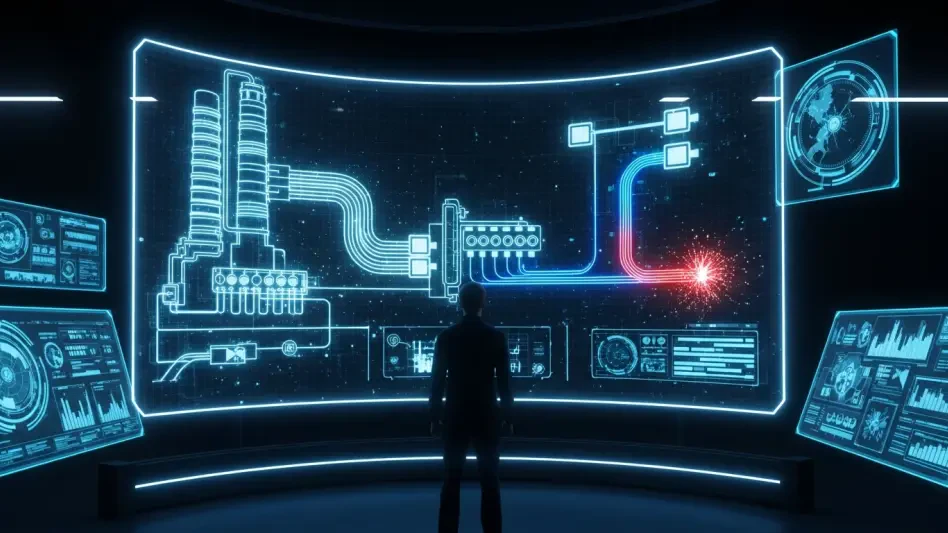
A core focus of the discussion was the concept of cyber-physical convergence, the blurring line where a digital breach can trigger tangible, real-world disasters. Expert testimony moved beyond abstract discussions of data loss, painting vivid scenarios where a hacked industrial control system could contaminate a water supply, trigger a pipeline explosion, or cripple a metropolitan transit network. This convergence means that protecting operational technology (OT)—the systems that manage physical processes in industrial settings—has become a paramount national security concern, transforming cybersecurity from an IT issue into a matter of public safety.
From Bombs to Bytes A Deconstruction of the Modern Threat
The hearing deconstructed the modern adversary’s toolkit, revealing how accessible technologies are being repurposed for malicious ends. One of the most immediate physical dangers identified was the weaponization of commercial drones. Experts warned of a “new, and growing, frontier of security threats,” where swarms of unmanned aerial systems could be deployed to disrupt operations at major airports or even deliver explosive payloads. The low cost and widespread availability of this technology dramatically lower the barrier to entry for actors seeking to cause widespread physical disruption.
At the same time, artificial intelligence was identified as a powerful force multiplier for cyberattacks. Chairman Garbarino noted that AI is enabling adversaries to dramatically increase the scale, speed, and sophistication of their malicious operations. AI algorithms can be used to craft more convincing phishing emails, identify network vulnerabilities at a pace that human analysts cannot match, and develop novel forms of malware that evade traditional security defenses. This technological arms race places immense pressure on defense agencies to innovate at an equal or greater speed.
Voices from the Front Lines on America’s Vulnerabilities
Testimony from CISA’s Acting Director, Madhu Gottumukkala, provided a view from the front lines of America’s cyber defense. A central point of his message was the agency’s strategic reset toward a “mission-first” mandate. This approach refocuses CISA’s resources on its core statutory purpose: shielding the nation’s most vital assets, such as financial systems, energy pipelines, and transportation hubs. This strategic shift prioritizes tangible, operationally focused initiatives designed to close the most critical risk gaps where the digital and physical worlds intersect, moving away from duplicative efforts to concentrate on proven defense measures.
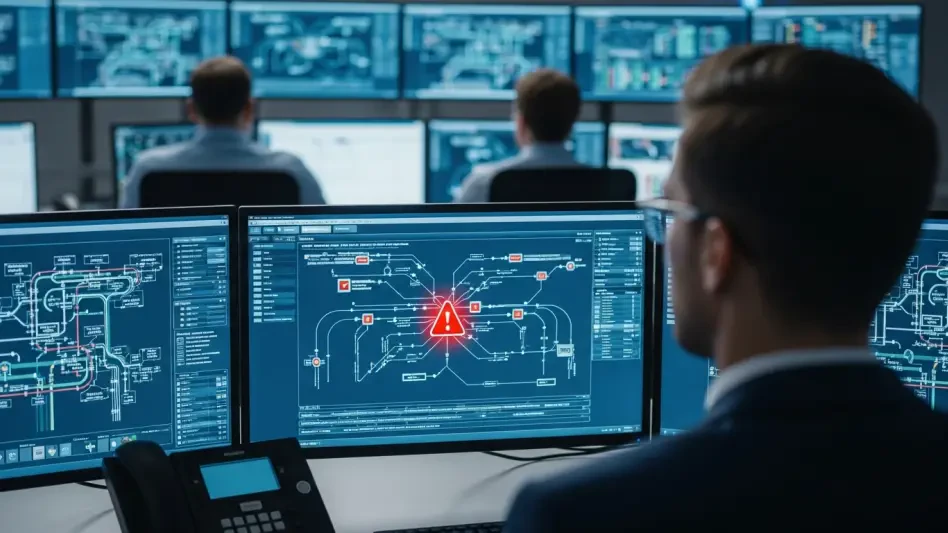
Gottumukkala’s testimony also underscored the severity of the cyber-physical threat to the industrial sector. He reinforced that a digital compromise is no longer an isolated incident confined to a server room; it can trigger severe safety incidents and prolonged operational downtime in industrial environments. This reality is driving CISA to enhance its focus on mitigating these specific risks, recognizing that a breach in an operational technology network can have devastating and immediate real-world consequences for the American public.
Forging a Digital Shield America’s Emerging Defense Strategy
The hearing clearly signaled a future of more assertive federal oversight in the cybersecurity of privately-owned critical infrastructure. This trend is solidified by the upcoming final rule for the Cyber Incident Reporting for Critical Infrastructure Act (CIRCIA), which will institute mandatory reporting requirements for significant cyber incidents. While officials acknowledged feedback to streamline these obligations, the direction is clear: the federal government will demand greater transparency and accountability from the private sector to build a comprehensive national threat picture.
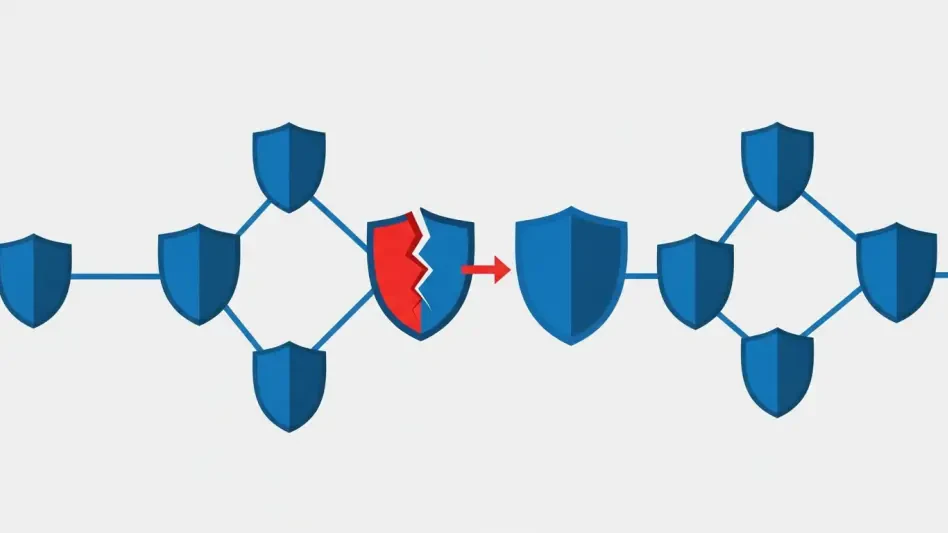
A consensus emerged that no single entity can defend against these threats alone. CISA’s operational model, as described in the hearing, is fundamentally built on robust public-private partnerships. This collaborative framework involves sharing actionable threat intelligence, providing no-cost vulnerability assessments to infrastructure owners, and coordinating a unified national defense that leverages the expertise and resources of both government agencies and private industry. This unified front is considered essential for building national resilience against sophisticated adversaries.
Furthermore, the proceedings highlighted workforce development as a cornerstone of national security. The committee stressed the importance of retaining deep technical expertise within agencies like CISA. In response, CISA detailed a plan to “right-size and rebalance” its workforce, an initiative that will prioritize recruiting and deploying highly technical professionals—such as cybersecurity operators and infrastructure security specialists—to frontline roles. This investment in human capital aims to provide direct, hands-on support to critical infrastructure owners across the country, equipping them with the expertise needed to defend against an ever-evolving threat landscape.
The hearing ultimately painted a stark picture of a nation at a strategic inflection point, grappling with a new generation of threats that were technologically sophisticated and capable of causing widespread physical disruption. The testimony and discussions served as a clear message that the status quo was no longer sufficient. What became evident was a decisive shift toward a more assertive, focused, and collaborative federal strategy, compelling both government and industry to prepare for a future where digital resilience was synonymous with national security. The dialogue underscored that America’s defense depended not just on walls and weapons, but on a unified and proactive shield forged in the digital realm.