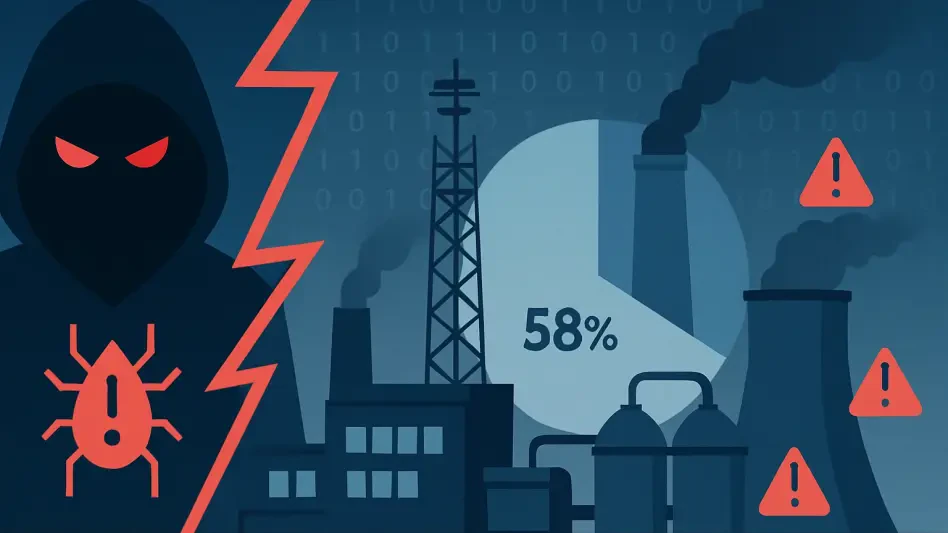

The global cybersecurity landscape is currently witnessing a tectonic shift where the velocity of exploitation has fundamentally outpaced the traditional rhythms of corporate patch management and defensive response. This new reality is defined by an industrialization of cyberattacks, where malicious actors no longer target individual organizations through painstaking manual effort but instead deploy sophisticated automation to compromise hundreds of entities simultaneously. As the window of opportunity for defenders continues to shrink, the emergence of zero-day research at scale has created an environment where a single vulnerability can lead to immediate and widespread devastation across multiple sectors. Organizations are finding that the conventional approach of waiting for a vendor patch is no longer a viable strategy in a world where exploitation happens within minutes of a flaw discovery. The era of artisan hacking has officially ended, replaced by an automated model that leverages massive computing power to identify and strike targets before a defense can even be formulated.
Industrialized Threats: The Evolution of Mass Extortion and Zero-Day Campaigns
A primary catalyst for this industrial shift is the transformation of groups like ShinyHunters, which have transitioned from relatively simple social engineering tactics to highly sophisticated zero-day campaigns. By identifying and weaponizing a critical flaw in Oracle PeopleSoft, the group managed to execute remote code attacks against over 100 different organizations with unprecedented efficiency and speed. One of the most significant casualties of this specific campaign was the University of Nottingham, which experienced a massive breach involving the sensitive personal data of nearly half a million students and alumni. This incident serves as a stark reminder of how a solitary software vulnerability can be leveraged to harvest massive quantities of identity-related data from across the enterprise landscape. The ability of these groups to identify such high-impact flaws demonstrates a level of research maturity that allows them to bypass traditional signature-based defenses that often rely on historical attack patterns.
The broader ransomware ecosystem has mirrored this evolution, with data indicating a nearly 50% increase in incidents over the past year, impacting everything from global food supply chains to essential pharmaceutical research facilities. Beyond the sheer frequency of attacks, the methods used to maintain persistence within compromised environments have reached a new level of technical complexity. Recent investigations have uncovered advanced supply-chain attacks that utilize sophisticated rootkits residing deep within the Linux kernel, effectively hiding the presence of attackers from standard security software and system administrators. These tools allow hackers to remain invisible for extended periods, facilitating long-term data exfiltration and ensuring that they can re-enter a network even after a primary infection has been remediated. This shift toward deep-system persistence suggests that attackers are prioritizing longevity in their operations, moving away from simple and noisy tactics in favor of more stable exploitation.
Emerging Risks: The Vulnerabilities Within the AI Ecosystem
As artificial intelligence integrates more deeply into core business operations, the underlying frameworks used to build these autonomous systems are emerging as a critical and highly attractive new attack surface for modern hackers. Security researchers have pinpointed significant weaknesses in popular development frameworks like LangGraph, where legacy vulnerabilities such as SQL injection and unsafe data handling have found new life in the AI era. These flaws allow attackers to manipulate the logic of AI agents, potentially gaining unauthorized access to the massive pools of sensitive data these systems are designed to process. Because AI agents often require access to user credentials, private conversation histories, and internal databases to function effectively, a single successful compromise can provide a gateway to the most valuable assets of an organization. The risk is compounded by the fact that many developers treat AI integration as a productivity enhancement rather than a new architectural layer requiring security.
The exploitation of the AI ecosystem extends beyond infrastructure flaws, as malicious actors are now utilizing powerful models like Google’s Gemini to automate and refine traditional attack vectors such as phishing. By leveraging these generative models, groups can instantly create highly convincing fake websites and localized fraudulent messages that are virtually indistinguishable from legitimate corporate communications, significantly lowering the barrier to entry for high-quality scams. Furthermore, AI-powered coding tools have demonstrated a surprising susceptibility to prompt-injection attacks, where a carefully crafted string of text hidden within a code review can trick the AI into leaking environment variables or secret company data. This vulnerability essentially transforms a tool intended to improve developer efficiency into a significant security leak that can expose the inner workings of a private codebase. The automation of these tactics represents a fundamental change in the threat landscape that organizations must address.
Adaptive Defense: The Strategic Transition to Automated Resilience
The relentless volume of newly discovered vulnerabilities has placed an unprecedented systemic burden on IT departments, leading to a state of perpetual crisis management that threatens to overwhelm even the most well-funded security teams. A recent record-breaking “Patch Tuesday” event saw over 200 distinct vulnerabilities addressed by Microsoft alone, including several critical flaws capable of spreading like worms across a local network without any user intervention. When these are combined with significant bugs in backup software and virtual private network (VPN) solutions, the logistical challenge of testing and deploying updates becomes nearly impossible to manage within acceptable timeframes. This mountain of maintenance means that many organizations are operating in a state of “vulnerability debt,” where they are unable to patch systems as fast as new exploits are released. This delay provides the exact window of opportunity that industrialized cybercrime groups need to deploy their payloads quickly and efficiently.
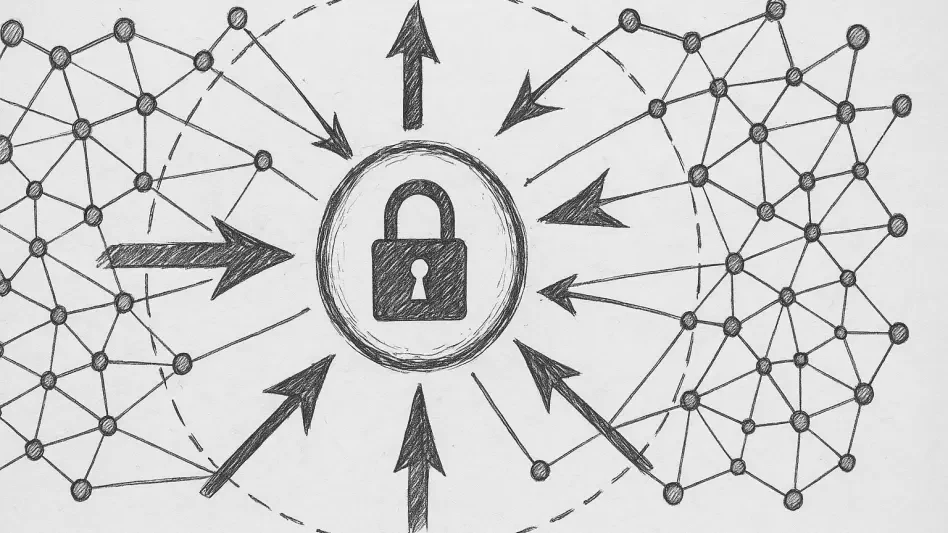
The shift toward the industrialization of cyber exploitation demanded a fundamental transition in how security was approached across every sector of the global economy. It became clear that the old methods of manual intervention and periodic auditing had failed to keep pace with the automated efficiency of modern threat actors. To address these challenges, the most resilient organizations began to implement autonomous defensive systems that utilized the same AI technologies as their adversaries to predict and block attacks in real time. They prioritized a zero-trust architecture where identity was continuously validated, and internal network segments were isolated to prevent the lateral movement that had fueled previous ransomware campaigns. These entities also shifted their focus toward continuous security validation and automated patch deployment, reducing the window of exploitation significantly. By treating security as an algorithmic process, the industry moved toward a future where defense finally matched the speed of the machine-led assault.