The sudden disruption of essential municipal services often serves as a jarring reminder that the digital security of local critical infrastructure is inextricably linked to global geopolitical tensions. Recently, several water utilities across Minnesota experienced unauthorized access to their industrial control systems, an intrusion that federal investigators have officially linked to cyber actors acting on behalf of the Iranian government. These incidents primarily targeted specific brands of programmable logic controllers, or PLCs, which are utilized to automate processes such as water pressure regulation and chemical filtration. While municipal officials confirmed that the safety of the water supply remained uncompromised during these particular events, the ease with which these attackers bypassed existing security measures has raised significant alarms within the Department of Homeland Security. This breach underscores a persistent vulnerability where specialized hardware, often overlooked in standard IT audits, becomes a backdoor for foreign adversaries to exert influence over American domestic life.
Technical Vulnerabilities: The Anatomy of Industrial Exploitation
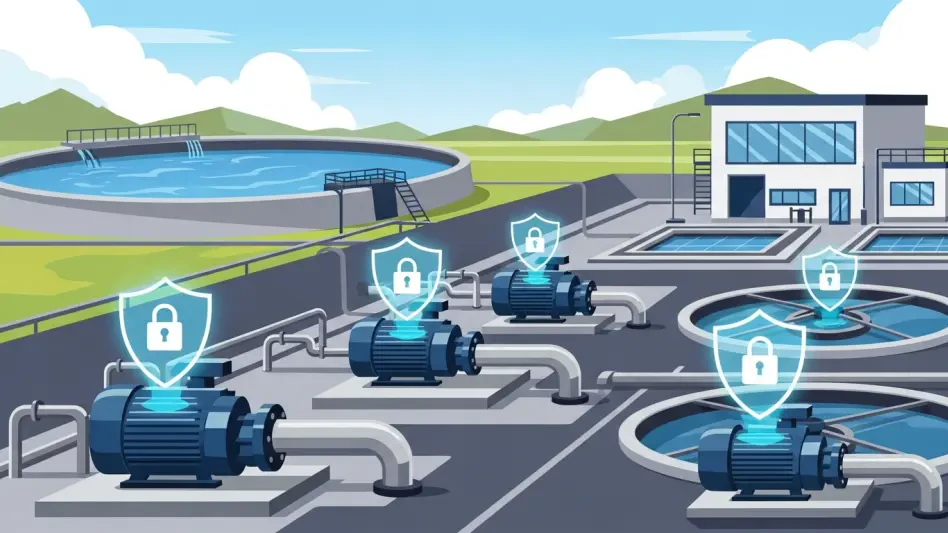
The attackers specifically exploited a well-known vulnerability in Unitronics Vision-series programmable logic controllers, which are frequently deployed in small-to-mid-sized utility environments due to their reliability and cost-effectiveness. Investigation revealed that the compromised systems were accessible via the public internet and protected only by factory-default passwords, a configuration error that essentially left the digital front door unlocked. Once inside the network, the hackers were able to display political messages on the controller interfaces and temporarily disable the automated pumps that maintain reservoir levels. This type of exploitation does not require advanced coding skills; rather, it relies on the systematic scanning of IP addresses to find devices that have not been properly hardened. The prevalence of these devices in Minnesota’s rural and suburban sectors highlights a dangerous gap between industrial operational technology and modern cybersecurity standards, leaving vital community assets exposed to remote manipulation by sophisticated state-sponsored groups.
Smaller water districts often operate with limited budgets and lack dedicated cybersecurity personnel, making them prime targets for foreign entities looking to test the resilience of American infrastructure. While large metropolitan areas have the resources to implement complex monitoring systems, many Minnesota utilities rely on legacy equipment that was designed long before the current threat landscape existed. These systems were originally built for longevity and ease of use, with little consideration given to the possibility of a remote cyberattack originating from across the globe. Consequently, many facilities lack the necessary logging capabilities to even detect an intrusion in real-time, often discovering the breach only after physical anomalies are observed. The transition toward integrated, internet-connected utilities has outpaced the implementation of defensive protocols, creating a landscape where technical convenience has come at the expense of national security and public safety, necessitating a fundamental shift in how local governments manage their digital risks.
National Security: Strategic Defense and Federal Responses
The geopolitical motivations behind these attacks are increasingly transparent, as Iranian-linked groups continue to target infrastructure associated with Western interests to project power and retaliate against international sanctions. By focusing on mundane but vital systems like water treatment plants, these actors aim to create a sense of pervasive insecurity among the American public without crossing the threshold of traditional kinetic warfare. This strategy of gray-zone aggression allows foreign governments to inflict economic and psychological stress while maintaining a degree of deniability. Federal agencies, including the Cybersecurity and Infrastructure Security Agency and the FBI, have noted that these activities are part of a broader trend involving the IRGC’s efforts to map out vulnerabilities in the United States power grid and water supply. The specific targeting of Minnesota utilities suggests that the attackers are casting a wide net, looking for any entry point that might offer leverage or publicity, regardless of the size of the community or its strategic importance in the grand scheme of national defense.
To mitigate future risks, municipal leaders adopted comprehensive incident response plans that integrated local law enforcement with federal cybersecurity resources. These organizations prioritized the replacement of aging PLCs with modern units that supported encrypted communications and advanced logging features. Public-private partnerships facilitated the deployment of continuous monitoring software that used behavioral analytics to identify suspicious traffic patterns before damage occurred. Training programs were established for utility operators to ensure that manual overrides remained functional and that staff could recognize the signs of a digital compromise. Federal grants played a vital role in closing the funding gap for smaller districts, allowing for the procurement of third-party security audits that identified previously hidden vulnerabilities. By shifting from a reactive posture to a proactive defense strategy, these utilities successfully hardened their systems against state-sponsored actors. Moving forward, the emphasis remained on sustained investment in human capital and technical upgrades to ensure the continued reliability of the nation’s most fundamental public resource.