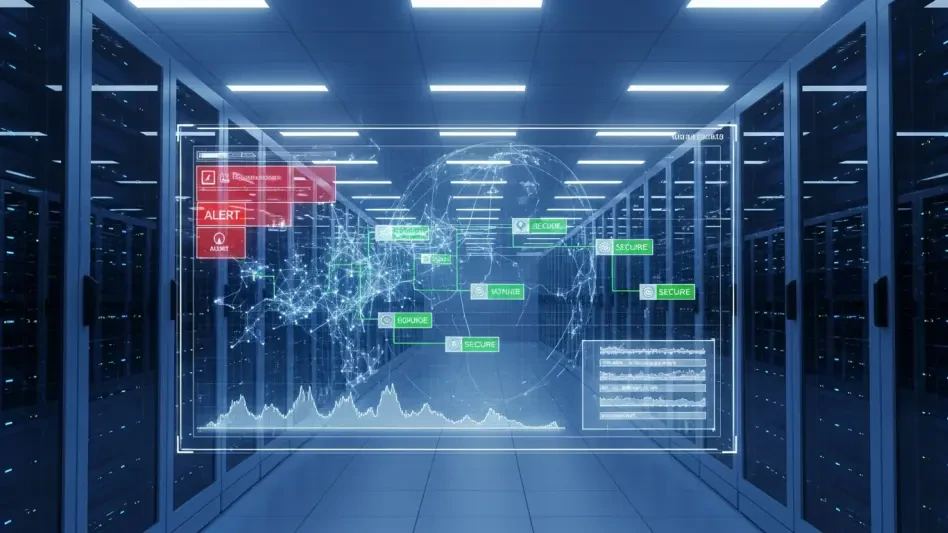
The modern electric utility landscape is no longer defined by the hum of massive transformers alone but by the silent, rapid-fire exchange of data packets across increasingly virtualized networks. This transformation represents a fundamental shift in how the nation generates, transmits, and consumes energy. As the American power grid evolves into a complex web of software-defined systems, the traditional methods of securing physical assets are becoming insufficient. Lines of code now act as the primary defense against adversaries, making the digital infrastructure just as critical as the physical steel and copper that once defined the industry. The Federal Energy Regulatory Commission, recognizing this shift, has introduced a suite of new rules designed to transition the regulatory focus from protecting hardware perimeters to securing the vast, invisible software layers that govern modern electricity flow.
This digital evolution offers remarkable efficiency and the ability to manage a more diverse energy mix, yet it simultaneously expands the potential attack surface for cyber threats. In the current environment, a single vulnerability in a virtual server can have cascading effects across multiple physical substations. The latest regulatory overhaul marks a decisive departure from legacy thinking, ensuring that the backbone of the national economy remains resilient against sophisticated invisible threats. By moving beyond the circuit breaker and into the cloud, the industry is embracing a future where reliability is synonymous with cybersecurity. This modernization is not merely a technical upgrade but a necessary adaptation to a world where data is as vital as the current it manages.
Beyond the Circuit Breaker: Why the Grid Is Moving to the Cloud
The transition toward a software-defined grid is driven by the sheer complexity of modern energy demands and the need for unprecedented operational agility. For decades, the power grid functioned as a collection of isolated physical components, but the rise of distributed energy resources and the intermittent nature of renewable power have necessitated a more dynamic approach. Virtualization allows utilities to consolidate multiple functions onto fewer physical servers, creating a more flexible and scalable environment. This shift enables grid operators to process massive amounts of data in real time, a requirement that traditional hardware-based systems simply cannot meet without becoming prohibitively expensive and difficult to maintain.
However, as these systems migrate to virtualized environments and cloud-based architectures, the definition of a security perimeter has fundamentally changed. No longer can a utility rely solely on a locked gate or a disconnected “air-gap” to protect its most sensitive controls. The integration of advanced sensors and smart technologies means that the grid is more interconnected than ever, creating entry points that did not exist in the era of analog switches. FERC’s new rules acknowledge this reality by emphasizing that security must be embedded within the software itself. This approach ensures that as the grid becomes more efficient and interconnected, it does not become more vulnerable to those who seek to exploit its digital complexity.
The Urgency of a Regulatory Software Update
The necessity for a regulatory update has become increasingly clear as state-sponsored actors and cybercriminal organizations refine their tactics to target critical infrastructure. Historically, the “air-gap” method provided a sense of security by physically isolating control systems from the public internet, but this barrier has effectively vanished in the face of modern operational requirements. With the rapid proliferation of electric vehicles and the massive power demands of modern data centers, the grid must be capable of shifting loads and managing demand with millisecond precision. This level of responsiveness is only possible through a highly integrated digital network, which inherently brings new risks that previous standards were not equipped to address.
Furthermore, the legal and technical gray areas surrounding virtualized environments have created a regulatory gap that adversaries could potentially exploit. Previous Critical Infrastructure Protection standards were drafted in an era when physical servers were the primary unit of concern. As utilities began adopting virtual machines and software-defined networking, they often found themselves operating in a space where the rules were ambiguous. This lack of clarity could lead to inconsistent security postures across the industry, where some assets were rigorously protected while others remained under-secured. By closing this gap, the new regulations provide a consistent framework that aligns with the current technological reality, ensuring that all entities are held to the same high standard of digital defense.
Key Pillars of the New FERC Cybersecurity Framework
The primary structural change in the new framework involves the formal integration of virtualization into the NERC CIP standards. By updating 11 existing standards, the Commission has created a regulatory environment that recognizes software-defined infrastructures as the new norm rather than an exception. This allows utilities to leverage operational flexibility—such as running multiple virtual machines on a single physical server—while maintaining strict security protocols. The inclusion of virtualization in the formal NERC Glossary ensures that every utility uses a standardized vocabulary when reporting vulnerabilities and implementing defenses. This common language is essential for a coordinated national response to emerging threats, moving the focus from guarding a physical room to protecting the software layers that facilitate the flow of power.
Another critical pillar of the new rules is the hardening of “low-impact” assets, which have increasingly become targets for “lateral movement” attacks. Even if a single small-scale asset does not pose a catastrophic risk on its own, it can serve as a gateway for attackers to reach more sensitive systems. To combat this, the new protocols mandate robust multi-factor authentication for all remote users and require secure encryption for authentication data in transit. Additionally, utilities must now implement comprehensive intrusion detection that monitors all traffic entering or exiting a low-impact system. This layered defense strategy ensures that even the smallest components of the bulk power system are resilient enough to prevent a minor breach from escalating into a major grid failure.
Expert Perspectives on Accountability and Transparency
A significant theme emerging from the regulatory process is the balance between technical flexibility and rigorous oversight. FERC Chairperson Laura V. Swett and her fellow commissioners have made it clear that while virtualization offers many benefits, it must not become a shield against accountability. One of the most debated topics was the shift from the requirement of being “technically feasible” to a “per system capability” standard for compliance exceptions. The Commission expressed concern that without strict guardrails, this new phrasing could be misused as a loophole to avoid implementing necessary security measures. To prevent this, FERC directed the North American Electric Reliability Corporation to establish a rigid framework that clearly defines the criteria for using such an exception.
Transparency is now a mandatory component of this flexible approach, with new reporting requirements designed to keep regulators informed. Entities that invoke the “per system capability” exception must report their specific actions and justifications to the ERO Enterprise. In turn, NERC is required to provide annual anonymized data to FERC, allowing the Commission to track how these exceptions are being applied across the industry. This ensures that the drive for technological modernization is matched by an equal commitment to transparency. Recent staff reports have highlighted that while compliance remains high overall, there are still notable gaps in cloud service management and third-party vendor oversight, reinforcing the need for these updated rules to remain dynamic and subject to constant review.
A Practical Framework for Utility Compliance
For utilities navigating this new regulatory landscape, the first phase of compliance involves a thorough audit and categorization of all virtual assets. Operators must map their software-defined systems against the updated NERC Glossary to ensure they are meeting the correct security tier. This process also includes a re-evaluation of transmission facilities under the refined “control center” definition, which now focuses on the functional capability to manage facilities across multiple locations. By accurately identifying which systems fall under the most rigorous CIP requirements, utilities can allocate their resources more effectively, focusing their highest-level defenses on the assets that pose the greatest risk to the stability of the overall power system.
The second and third phases of the transition require a move toward deep technical implementation and robust documentation workflows. Utilities must deploy multi-factor authentication across all remote access points and update their intrusion detection systems to recognize patterns associated with lateral movement. Beyond the technical setup, establishing a clear chain of command for reporting security incidents and documenting the use of any compliance exceptions is vital. As the implementation timelines unfold, starting with the initial quarters following the effective dates, the goal is to create a culture of continuous monitoring rather than one of periodic check-ins. This proactive stance ensures that the grid remains a step ahead of those who might seek to disrupt it, turning a potential vulnerability into a demonstration of national resilience.
The regulatory framework established by the Commission encouraged utilities to prioritize long-term resilience over mere compliance checkboxes. These entities moved forward by integrating advanced identity management systems and adopting zero-trust architectures as a baseline for all software interactions. Future considerations centered on the ongoing expansion of distributed energy resources, which demanded even more granular security controls at the grid’s edge. By aligning their internal policies with these modernized standards, grid operators demonstrated a commitment to protecting the economic and social stability of the nation. Ultimately, the successful adoption of these rules provided a clear roadmap for a more secure, flexible, and technologically advanced energy future that anticipated and neutralized threats before they could materialize.