The rapid convergence of digital infrastructure and critical patient care has transformed the healthcare sector into a primary target for sophisticated global adversaries seeking to exploit systemic vulnerabilities. As these threats transcend geographical boundaries, the necessity for a coordinated response has never been more urgent. For years, individual organizations attempted to fortify their own perimeters in isolation, yet the increasing complexity of the supply chain and the rise of nation-state actors have rendered such siloed defenses insufficient. The collective realization that a single breach can ripple through the entire global health economy has catalyzed a movement toward unified resilience, a strategy that prioritizes shared intelligence over individual secrecy.
The Shifting Paradigm of Healthcare Defense in an Era of Volatility
Historically, healthcare security was defined by reactive measures, where organizations responded to breaches only after the damage was already done. This “firefighting” mentality often left smaller providers vulnerable and larger institutions overwhelmed by the sheer volume of incoming threats. However, the industry has undergone a fundamental transition toward a unified, sector-wide resilience model. This shift recognizes that patient safety is inextricably linked to operational continuity, and neither can be maintained without a proactive stance. By treating cybersecurity as a communal responsibility rather than a competitive advantage, the sector is building a more durable foundation for the future of care delivery.
The milestone established in 2025 under the theme of “Cultivating Resilience” serves as a critical pivot point for global patient safety. This initiative emphasizes that resilience is not a static state but an ongoing process of growth and adaptation. By moving beyond basic compliance and toward a culture of continuous improvement, healthcare entities are better equipped to withstand the shocks of the modern threat landscape. This strategic focus ensures that even when a disruption occurs, the impact on clinical outcomes is minimized, and the recovery process is swift and coordinated across the entire ecosystem.
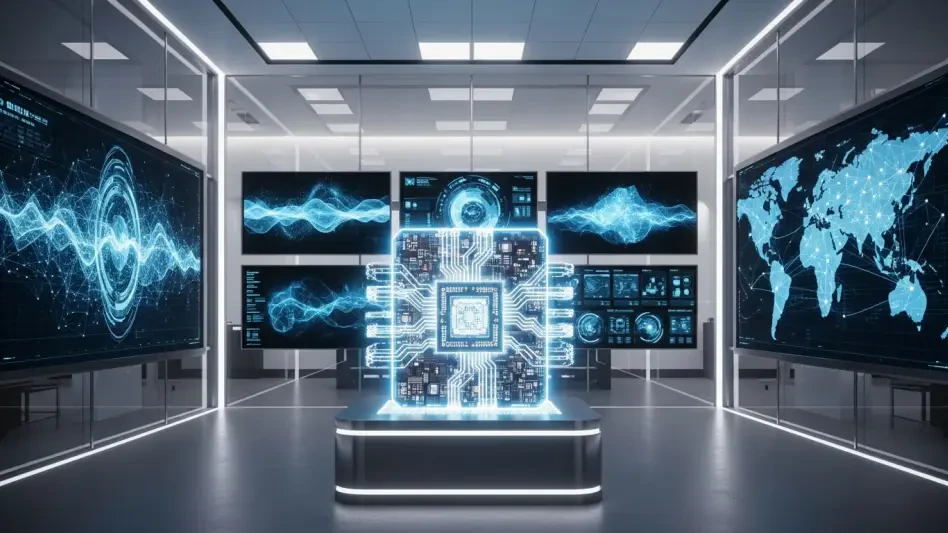
To outpace modern adversaries, the implementation of “follow-the-sun” intelligence has become a non-negotiable standard. By leveraging cross-border partnerships, organizations can now track a threat as it moves across different time zones, ensuring that a defense developed in one region can be deployed globally before the adversary strikes elsewhere. This interconnectedness allows for a level of situational awareness that was previously impossible, transforming the global health network into a living, breathing defense shield that learns and adapts in real time.
Strategic Pillars of Global Protection and Collective Intelligence
Revolutionizing Threat Operations Through Continuous Global Monitoring
The expansion of the Threat Operations Center (TOC) into a 24/7 frontline hub represents a significant leap forward in operational capability. By establishing a physical presence in the Asia-Pacific region, the center effectively eliminated the “dark hours” that hackers previously exploited. This continuous monitoring ensures that high-risk vulnerabilities are identified and mitigated regardless of where they originate. Analysts are now able to provide a constant stream of intelligence, allowing the community to stay one step ahead of campaigns that rely on the cover of night in Western markets to gain a foothold.
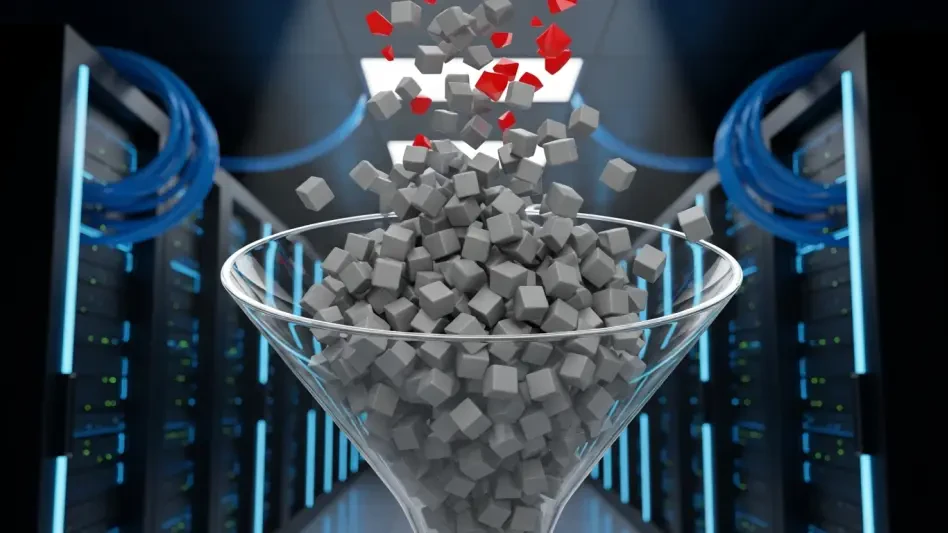
Strategic partnerships have further refined this intelligence, turning raw data into a precise instrument of defense. The collaboration with global technology leaders, such as the Office of the CISO at Google Cloud, has enhanced the ability to parse through massive datasets to find the “signal” within the “noise.” In 2025, the issuance of over 1,300 targeted alerts demonstrated the power of this refined approach. These alerts were not merely warnings but actionable blueprints that allowed security teams to prioritize their patching efforts based on actual risk rather than theoretical possibility.
However, the management of such high-volume vulnerability data presents its own set of challenges. Organizations must navigate a constant influx of information without succumbing to “alert fatigue.” The move toward real-time situational awareness across diverse time zones requires a sophisticated orchestration of resources. By categorizing threats based on their potential impact on patient care, the sector is learning to manage the noise, ensuring that the most critical issues receive the immediate attention they require to prevent widespread disruption.
Engineering High-Density Security Networks Across International Borders
The success of localized integration provides a template for how regional security can be bolstered through shared intelligence. In Belgium, the onboarding of 90% of public hospitals into a centralized framework serves as a testament to the power of density. When nearly every major provider in a nation participates in the same intelligence loop, the speed at which a threat can be neutralized increases exponentially. This model creates a “herd immunity” for digital systems, where the collective knowledge of the group protects even the smallest and most resource-constrained members.
In contrast, regions with more fragmented care delivery systems, such as Latin America, require a different approach. The unique hurdles in these areas often involve varying levels of digital maturity and disparate regulatory environments. Targeted initiatives, such as the detailed geopolitical reporting on the Brazilian critical infrastructure landscape, have been instrumental in addressing these gaps. By providing intelligence in local languages and hosting workshops for regional leaders, the community is fostering a culture of defense that is both globally informed and locally relevant.
Bridge-building at the institutional level is also critical for long-term stability. The appointment of sector leaders to international cybersecurity advisory boards, such as those within the European Union, ensures that the specific needs of healthcare are represented in broader policy discussions. This regional leadership helps to synchronize security standards and maturity levels across different nations, creating a more level playing field where no single country becomes a weak link in the global health chain.
Institutionalizing Preparedness via Simulation and Framework Alignment
Preparedness is no longer a theoretical exercise but a rigorous discipline grounded in realistic simulation. The Member Tabletop Exercise program has been instrumental in helping organizations identify the hidden gaps in their response protocols. By placing technical and clinical staff in high-pressure, controlled environments, institutions can discover how their teams actually behave during a crisis. These exercises move beyond “check-the-box” compliance, forcing participants to confront the messy realities of communication breakdowns and resource limitations that occur during an actual incident.
Furthermore, the alignment of intelligence reporting with recognized industry standards provides a common language for defense. Mapping threat actor behavior directly to the MITRE ATT&CK framework allows organizations to benchmark their internal defenses against a global standard. This precision enables security teams to see exactly where their coverage is lacking and to invest in the specific tools or training needed to close those gaps. It transforms intelligence from a vague warning into a tactical asset that can be used to harden specific technical controls.
A significant lesson learned through these simulations is that technical data alone is rarely sufficient to stop a sophisticated attack. Human-centric response protocols are just as important as firewalls and encryption. Mapping the Tactics, Techniques, and Procedures (TTPs) of adversaries helps defenders understand the “why” and “how” behind an attack, rather than just the “what.” This deeper understanding allows for more creative and resilient defense strategies that account for the psychological and operational factors that drive modern cybercrime.
Securing the Lifeblood of Modern Care: The Medical Device Ecosystem
The security of medical devices represents one of the most complex challenges in the modern clinical environment. Through the collaborative efforts of the Medical Device Security Council, the industry is finally addressing the lifecycle responsibilities that have long been a source of confusion. The use of RACI frameworks—identifying who is Responsible, Accountable, Consulted, and Informed—has brought much-needed clarity to the relationship between manufacturers and healthcare providers. This structured approach ensures that when a vulnerability is discovered, there is no ambiguity about who must issue the patch and who must apply it.
Transparent patching and specialized guidance are essential for protecting vulnerable infrastructure like Picture Archiving and Communication Systems (PACS). These systems are often the “soft underbelly” of a hospital’s network because they rely on aging software to manage critical diagnostic data. By providing specific tip sheets and security protocols for these high-risk assets, the community is mitigating patient risk at the point of care. Ensuring that these systems remain secure is not just a technical requirement; it is a fundamental component of clinical safety.
Future-proofing the sector requires a proactive stance on the convergence of legacy technology and cutting-edge innovations. As hospitals adopt more advanced medical devices, the risk of “security debt”—the accumulation of unpatched vulnerabilities in older systems—grows. Addressing this issue head-on involves a commitment to lifecycle management that considers security from the design phase through to the decommissioning of the device. This holistic view is necessary to ensure that the medical technology of tomorrow does not become the entry point for the threats of today.
Strengthening Organizational Defenses: Lessons from the 2025 Threat Landscape
The data from the 2025 threat landscape reveals a sobering reality: global cyber incidents surged by 55%, a clear indication that adversaries are becoming more prolific and aggressive. For healthcare leadership, this statistic is a call to action to move beyond traditional security models. The rise of AI-enhanced business email compromise and the persistent threat of “low-tech” physical extortion demonstrate that attackers are constantly diversifying their methods. Organizations must therefore build defenses that are equally versatile, capable of thwarting both high-tech exploits and social engineering tactics.
Practical mitigation strategies now include the adoption of “circle irrigation” intelligence. This concept involves the widespread and efficient distribution of threat data so that it “nourishes” every part of the organization’s security architecture. By ensuring that intelligence flows freely between technical teams, clinical staff, and executive leadership, institutions can create a more cohesive defense. This approach turns every employee into a sensor, capable of detecting and reporting anomalies before they escalate into full-scale breaches.
Furthermore, the integration of advanced technologies like AI within the defensive stack is becoming a necessity. While adversaries use AI to craft more convincing phishing emails, defenders can use it to identify patterns of malicious behavior that would be invisible to the human eye. The key to successful defense in this new era is the balance between automated systems and human intuition. Leadership must invest in both the technology to filter out the noise and the expertise to interpret the remaining signals, ensuring that the organization remains resilient in the face of an ever-evolving threat profile.
The Future of Health Resilience: Moving Toward a Proactive Global Standard
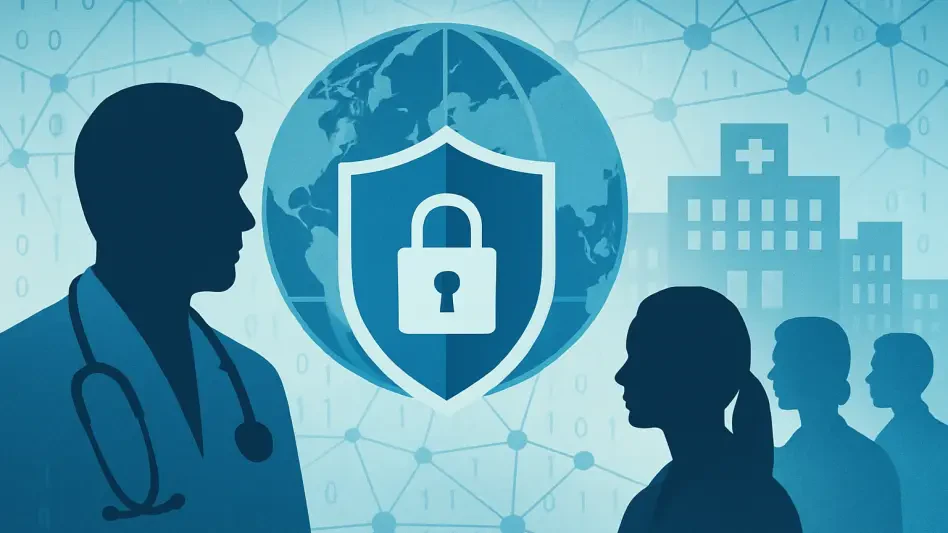
The escalating volume of sophisticated nation-state and ransomware attacks has made it clear that collective defense is the only viable path forward. No single entity, no matter how well-funded, can stand against the combined weight of global cybercrime. The collaborative model championed by Health-ISAC provides the necessary shield, turning the strength of the community into a formidable barrier. By pooling resources, sharing intelligence, and aligning on strategic priorities, the healthcare sector is setting a global standard for how critical infrastructure can be protected in an age of digital volatility.
Public-private synergy and international regulatory collaboration will remain the cornerstones of this journey. As governments around the world introduce new cybersecurity mandates, it is essential that these regulations are informed by the practical realities of healthcare delivery. Ongoing dialogue between policy makers and industry practitioners ensures that security requirements enhance resilience rather than creating bureaucratic hurdles. This cooperation is vital for maintaining a global environment where patient data is protected and care remains uninterrupted by the noise of the digital battlefield.
The mission of cultivating resilience is far from finished; it is a continuous journey that requires unwavering commitment. As we look toward the coming years, the survival of the global patient care mission depends on the ability to remain agile and interconnected. The lessons learned in 2025 have provided the blueprint, but the execution of that plan requires constant vigilance. By fostering deep-seated collaboration and embracing the power of collective intelligence, the healthcare community is ensuring that it can continue to serve its primary purpose: the preservation of human health and safety in a world that never stops changing. Following these actionable steps—prioritizing regional integration, clarifying device lifecycles, and institutionalizing simulation—will allow the sector to move from a state of mere survival to one of thriving endurance. Organizations should look to deepen their involvement in shared intelligence pools and pressure-test their internal protocols against the latest TTP mappings to remain prepared. In the end, resilience is not just a technical achievement but a shared commitment to the continuity of care.