The silent hum of a modern manufacturing floor hides an invisible battlefield where lines of malicious code possess the terrifying potential to trigger catastrophic physical failure in real-world machinery. The days of air-gapped industrial systems living in isolation are over, replaced by a hyper-connected reality where a single line of malicious code can cause physical destruction. As critical infrastructure becomes increasingly “smart,” the traditional security toolkit is proving insufficient against sophisticated, automated threats. The shift from theoretical AI concepts to functional, AI-driven security frameworks is no longer a luxury—it is a fundamental requirement for protecting the systems that power our world.
This evolution is driven by the fact that industrial environments now face risks that transcend simple data theft. When a power grid or water treatment facility is compromised, the impact is measured in community safety and environmental stability rather than just lost revenue. Consequently, the industry is witnessing a massive migration toward defensive systems that can think and act at the speed of the attackers themselves. This transition marks the end of the manual era of security and the beginning of a period defined by machine-learning models that monitor physical processes in real time, looking for the slightest deviation from the norm that might signal a breach.
Beyond the Perimeter: The New Reality of Cyber-Physical Defense
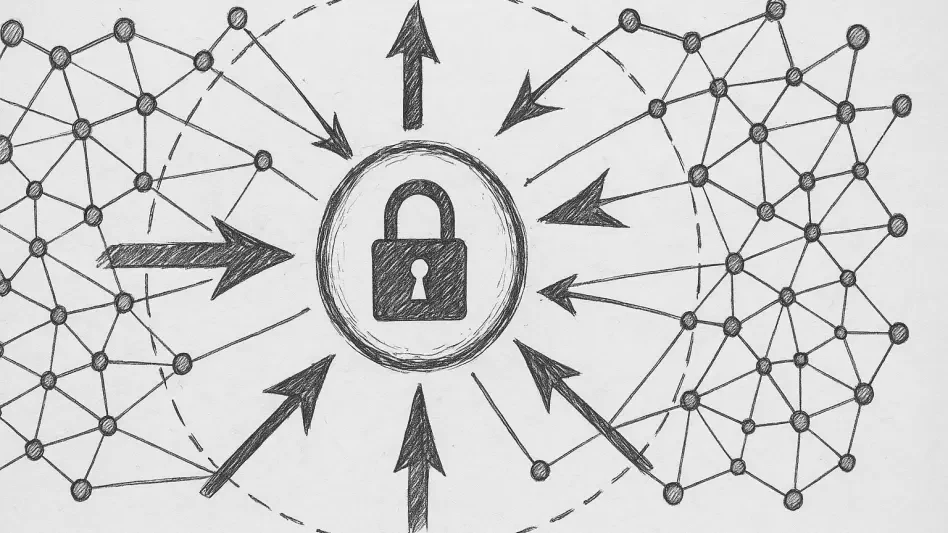
The concept of the “perimeter” has become an antiquated relic in an age where sensors and controllers are often directly connected to the cloud for real-time analytics. In this new landscape, a vulnerability in a remote software update can bypass physical barriers, turning internal assets against the very infrastructure they were designed to manage. Modern cyber-physical defense must therefore operate on the assumption that the network is already compromised, focusing on the internal behavior of the system rather than just the strength of the firewall.
This transformation necessitates a fundamental change in how security professionals approach threat detection. Traditional signature-based systems, which look for known patterns of malware, are inherently reactive and struggle to keep pace with the polymorphic nature of modern exploits. In contrast, AI-driven defense leverages behavioral analysis to establish a baseline of “normal” operations for every pump, valve, and turbine. When an anomaly occurs—such as a centrifuge spinning at an unauthorized speed—the system can intervene autonomously, neutralizing the threat before it manifests as physical damage.
The High-Stakes Intersection of Intelligence and Infrastructure
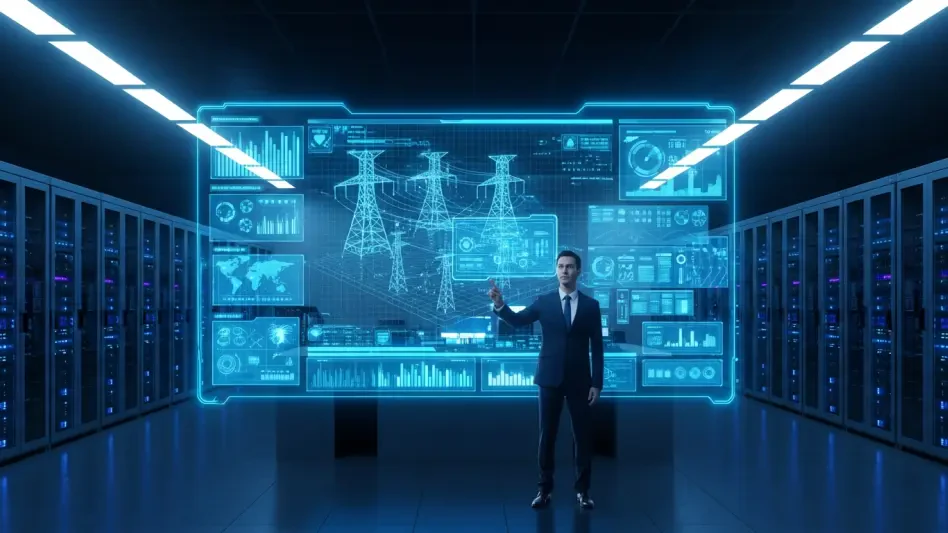
Industrial cybersecurity is currently navigating a perfect storm as Information Technology and Operational Technology converge into a single, complex ecosystem. Historically, these two worlds operated in silos, with Operational Technology focusing on physical reliability and Information Technology on data integrity. However, the rise of the Internet of Things has blurred these lines, exposing sensitive Industrial Control Systems to a new breed of digital vulnerabilities that were previously confined to corporate office networks. This integration has essentially turned factories and refineries into giant, physical computers that are vulnerable to the same types of attacks as any web server.
The integration of AI into these environments creates a double-edged sword: while it offers unprecedented efficiency, it also introduces “agentic” systems that require specialized oversight. These autonomous entities within a network are capable of making independent decisions, which can optimize production but also introduce unpredictable variables if they are not strictly governed. To prevent these systems from becoming liabilities, security frameworks must now account for the “logic” of the AI itself, ensuring that the autonomous decisions made by the system align with safety protocols and cannot be manipulated by adversarial prompts or data poisoning.
Bridging the Gap With Specialized AI and OT Frameworks
The evolution of industrial defense is now defined by the transition from manual penetration testing to automated, multi-layered assessment methodologies. Modern initiatives are centralizing diverse toolkits to address the unique requirements of cyber-physical systems, moving away from the “one-size-fits-all” approach of standard IT security. These frameworks do not just focus on standard data protection; they are designed to navigate the rugged landscapes of industrial automation where a misplaced scan could accidentally crash a critical controller. By aligning with established standards like the AI Risk Management Framework and MITRE ATLAS, security teams can finally speak a common language when assessing the risks of machine learning in the factory.
These specialized frameworks allow for a much more granular analysis of the attack surface, identifying vulnerabilities in industrial protocols that standard scanners often miss. They enable practitioners to simulate sophisticated attacks against AI models and the physical hardware they control, providing a comprehensive view of the organization’s risk profile. This systematic approach ensures that security is not an afterthought but is baked into the lifecycle of industrial automation, providing a repeatable and scalable way to validate the integrity of both digital and physical components.
Convergence, Automation, and the Ethical Frontier
The future of industrial defense lies in the inevitable fusion of AI-enabled detection and automated threat analysis. Experts in the field highlight a growing trend toward “agentic” security, where AI acts as an active participant in identifying anomalies that human observers might miss. This shift toward continuous validation is essential for critical infrastructure, where the time between an intrusion and a physical event can be measured in seconds. In such environments, the human-in-the-loop model is often too slow, making the development of trustworthy, autonomous defensive agents a top priority for developers and engineers alike.
Furthermore, this new era brings a renewed focus on accountability and the ethical implications of offensive security research. As the tools used to find vulnerabilities become more powerful and accessible, there is a strategic move toward strict licensing and ethical governance to ensure these capabilities remain in the hands of responsible practitioners. Balancing the need for transparency and collaboration with the necessity of keeping dangerous exploits out of the hands of bad actors has become one of the most significant challenges of the modern era. This has led to more controlled distribution models for security software, ensuring that the power of AI is used to protect infrastructure rather than dismantle it.
Implementing a Resilient Defense in Modern Industrial Ecosystems
To stay ahead of emerging threats, organizations adopted a unified approach that streamlined complex workflows into actionable security strategies. This involved moving away from fragmented software packages toward integrated platforms that pivoted seamlessly between infrastructure scanning and AI logic testing. Practical application demanded the use of custom personas to simulate specific threat actors, ensuring that defensive measures were not just reactive but were informed by the actual tactics of modern adversaries. These implementations successfully integrated API, cloud, and container assessments into a single interactive menu, reducing the friction that often hindered comprehensive security audits.
The transition toward automated security artifacts allowed industrial entities to build a posture of resilience that matched the sophistication of their opponents. Security teams focused on the repeatability of their tests, ensuring that every update to the industrial logic was met with a corresponding validation of its security integrity. This proactive stance shifted the focus from merely surviving a breach to maintaining operational continuity under constant pressure. By embracing integrated platforms and ethical governance, the industry established a new standard for safety, ensuring that the systems powering modern society remained robust against the next generation of digital threats. Organizations that prioritized these integrated methodologies found themselves better equipped to handle the complexities of the modern threat landscape, ultimately securing the future of global industrial production.