The silent hum of a modern power distribution center hides a complex web of digital interdependencies that can become catastrophic liabilities if the underlying architecture lacks foundational security protocols from its inception. As industrial landscapes continue to merge with sophisticated cloud-based management systems in 2026, the traditional perimeter-based defense has proven insufficient against persistent threat actors targeting critical infrastructure assets. Secure-by-design principles represent a fundamental shift in this paradigm, demanding that cybersecurity be treated not as an operational afterthought, but as a core engineering requirement integrated into every stage of the project lifecycle. This proactive philosophy seeks to eliminate “security debt,” which occurs when organizations deploy systems with inherent vulnerabilities that must later be mitigated through expensive and often ineffective retrofitting. By embedding defense mechanisms into the initial DNA of factories, refineries, and utilities, the industry can build a resilient foundation that withstands the evolving digital threats of the current landscape. This approach moves the focus from reactive firefighting to proactive architectural integrity, ensuring that safety and security are inseparable metrics of success in any major capital project.
Bridging the Gap in Operational Technology Maturity
Moving Beyond Reactive Spending and Tools
Despite the significant increase in cybersecurity budgets across the industrial sector, many firms continue to struggle with overall maturity because they remain overly focused on purchasing tools rather than refining processes. In the current environment, buying sophisticated firewalls and advanced anomaly detection software cannot compensate for a lack of foundational governance or a workforce that does not understand the unique risks of operational technology. True maturity requires a departure from the “break-fix” mentality of the past and a move toward a structured, lifecycle-based management system where every hardware and software component is vetted for security before it ever reaches the plant floor. Organizations often find themselves trapped in a cycle of emergency patching, where the majority of their resources are consumed by mitigating vulnerabilities that could have been avoided if the system architecture had been properly scrutinized during the design phase.
The transition toward a mature security posture involves a deep understanding of how digital assets interact with physical machinery to ensure that no single point of failure can lead to a catastrophic event. In 2026, the complexity of industrial IoT devices has made it nearly impossible to secure an environment through external monitoring alone; the security must be baked into the firmware and communication protocols themselves. By prioritizing process maturity over tool acquisition, companies can create a more sustainable defense strategy that relies on clear policies, rigorous risk assessments, and a commitment to continuous improvement. This shifts the financial burden from high-cost emergency interventions to more predictable capital expenditures during the project development phase. Ultimately, the goal is to create an environment where security is a baseline expectation for all operational assets, reducing the long-term total cost of ownership while significantly enhancing the resilience of critical services.
Addressing the Industrial Cybersecurity Skills Shortage
The industrial sector remains hindered by a persistent scarcity of skilled personnel who possess a dual understanding of both physical operational processes and digital cybersecurity threats. This talent gap makes it even more vital to build systems that are inherently secure from the start, as an overstretched workforce cannot be expected to manually secure thousands of legacy devices. In 2026, the demand for “purple” engineers—those who can bridge the gap between traditional IT security and the specialized world of OT—has reached an all-time high, yet the educational pipeline has not yet fully caught up. Because of this shortage, organizations must look for ways to reduce the cognitive load on their existing teams by simplifying the operational environment through better design and automation of security controls.
Developing an internal culture of security awareness is just as critical as hiring outside experts, as the frontline engineers and operators are often the first to notice when a system is behaving abnormally. Training programs must evolve beyond generic phishing simulations and focus on the specific technical challenges of managing programmable logic controllers and distributed control systems. When engineers understand the security implications of their design choices, they are more likely to implement configurations that protect the integrity of the process. This collaborative approach ensures that security is not seen as a hurdle to productivity, but as a necessary component of operational safety. By investing in the human element alongside technical design, organizations can build a more robust defense-in-depth strategy that leverages the strengths of both their people and their technology.
Integrating Security into the Engineering Lifecycle
The Critical Role of Front-End Engineering Design
The Front-End Engineering Design phase, commonly known as FEED, is arguably the most influential moment in the entire project lifecycle, yet it is often where security is most frequently neglected. At this stage, the budget, technical architecture, and vendor selections are finalized, creating a blueprint that will dictate the security posture of the facility for decades to come. If security requirements are excluded from the FEED documents, the facility is essentially “born” with vulnerabilities that become exponentially more expensive and difficult to fix once the plant moves into the construction or operational phases. In 2026, leading organizations have begun to mandate that a dedicated cybersecurity lead be present during all FEED meetings to ensure that digital risks are given the same weight as physical safety hazards.
Effective integration during the FEED phase requires a granular analysis of how data will flow across the various layers of the industrial network, from the sensors on the plant floor to the executive dashboards in the cloud. This involve establishing clear target security levels based on international standards, which provides a measurable benchmark for vendors and contractors to follow throughout the construction process. By defining these requirements early, asset owners can ensure that the systems they receive are equipped with necessary features like encrypted communication, robust authentication, and the ability to log security-relevant events. Furthermore, addressing security at this stage allows for more creative engineering solutions, such as physical isolation of certain critical segments that might otherwise be exposed to the internet.
Implementing Zone and Conduit Architectures
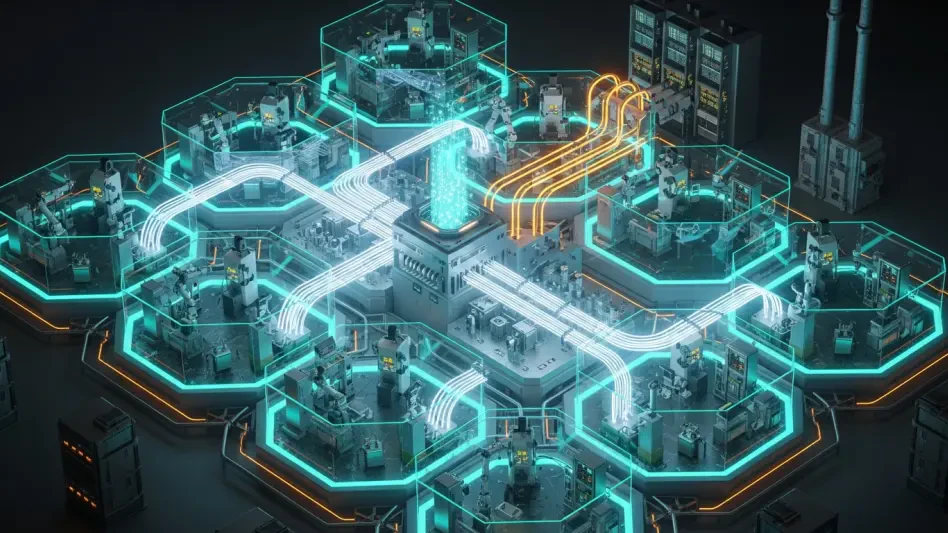
Engineers must focus on creating a “zone and conduit” architecture, a strategy that segments the industrial network into functional groups to limit the potential for lateral movement by an attacker. This design philosophy, rooted in the IEC 62443 standard, ensures that a compromise in one area of the facility, such as the visitor wireless network, does not allow an intruder to access the critical control systems that manage the plant’s physical processes. In 2026, the implementation of micro-segmentation has become a standard practice for high-risk environments, allowing for even tighter control over communication between individual devices. By clearly defining the conduits—the communication paths—between different zones, organizations can apply specific security policies that filter traffic and block unauthorized access attempts.
This architectural approach also facilitates more effective monitoring and incident response, as security teams can more easily identify anomalous behavior within a restricted segment of the network. When a network is flat and unsegmented, a single infected laptop can spread malware across the entire facility in a matter of minutes, leading to widespread downtime and potential safety risks. In contrast, a well-designed zone and conduit model provides multiple layers of defense that can contain a threat before it reaches the most sensitive assets. This strategy also simplifies the process of auditing and compliance, as engineers can demonstrate that critical data flows are strictly controlled and monitored according to established safety protocols. As industrial systems become more interconnected, the importance of this structural separation only grows, making it a cornerstone of any secure-by-design initiative.
Strengthening Security through Strategic Procurement
Using Contractual Leverage to Enforce Standards
Procurement is the stage where asset owners hold the most significant power to influence vendor behavior and ensure that the products being delivered meet high security standards. Without specific, measurable cybersecurity requirements written directly into contracts, vendors have very little financial incentive to prioritize security over cost-cutting or rapid delivery schedules. In 2026, savvy procurement departments have moved past vague “best practice” language and are now demanding verifiable evidence of secure engineering practices as a condition of doing business. This includes requiring vendors to provide documentation of their development processes, such as evidence of secure coding training for their software developers and regular third-party penetration testing of their products.
By linking project payments to specific security milestones, owners can ensure that vendors remain accountable for the security posture of the products and services they deliver throughout the project’s duration. For example, a final payment might be withheld until the vendor successfully demonstrates that all default passwords have been changed and that all unnecessary services and ports have been disabled on the delivered equipment. This contractual approach shifts the risk back to the manufacturer, forcing them to adopt a secure-by-design mindset if they want to remain competitive in a market that increasingly values resilience. It also provides a clear legal framework for addressing vulnerabilities that are discovered after the system has been installed, ensuring that the vendor is responsible for providing timely patches and support.
Supply Chain Transparency and Software Bills of Materials
Key contractual deliverables in 2026 must include a Software Bill of Materials, which acts as a comprehensive list of all software components, libraries, and dependencies included in a digital product. This level of transparency is essential for managing supply chain risks, as it allows the asset owner to know exactly what is inside the machines and software they are integrating into their critical infrastructure. When a new vulnerability is discovered in a common open-source library, an organization with an accurate SBOM can quickly determine if any of their systems are affected and take immediate action to mitigate the risk. Without this information, security teams are often left guessing, wasting valuable time and resources trying to identify which vendors might have used the vulnerable code in their products.
Furthermore, formal vulnerability disclosure agreements should be a mandatory part of any procurement contract to ensure that there is a clear communication channel between the vendor and the asset owner. These agreements specify how and when a vendor will notify their customers about security flaws and what the expected timeline is for releasing a fix or a workaround. In an era where zero-day exploits can be weaponized in hours, having a pre-established plan for disclosure and remediation is critical for maintaining the uptime of industrial assets. This focus on transparency encourages a more collaborative relationship between owners and vendors, where both parties work together to protect the integrity of the supply chain. By demanding high standards of transparency, the industrial sector can drive market-wide improvements in software security and reduce the overall risk profile of the modern digital ecosystem.
The Necessity of Independent Security Testing
Validating Integrity through Cyber Factory Acceptance Testing
Specialized testing procedures, known as Cyber Factory Acceptance Testing, are essential for catching security vulnerabilities before a system is shipped from the vendor facility to the industrial site. These tests must be conducted independently of functional testing to ensure that the desire to meet operational performance goals does not overshadow or mask underlying security flaws. During a Cyber FAT, engineers verify that specific hardening steps have been performed, such as the removal of “backdoor” accounts, the disabling of non-essential protocols like Telnet or FTP, and the configuration of robust firewall rules. In 2026, this process has become more automated, with specialized tools used to scan the system for known vulnerabilities and configuration errors before it leaves the factory floor.
Discovering a security issue during the factory phase is significantly less expensive and disruptive than finding it after the system has been integrated into a live production environment. If a vendor fails the Cyber FAT, they are required to remediate the issues on their own time and at their own expense, ensuring that the asset owner receives a product that is ready for secure operation. This rigorous validation process also provides a baseline for the system’s “known-good” state, which can be used for future comparisons if the system’s integrity is ever questioned. By making Cyber FAT a non-negotiable requirement, organizations send a clear message to their suppliers that security is a primary performance metric that will be strictly enforced through independent verification.
Ensuring Reliability with Site Acceptance Testing
A Cyber Site Acceptance Testing occurs after the equipment has been installed and integrated at the actual industrial site, focusing on how the new system interacts with the existing security infrastructure. This phase of testing is critical because the environment at a real plant often differs significantly from the controlled conditions of a vendor’s laboratory. During a Cyber SAT, security professionals verify that the new equipment is properly integrated with the site’s central logging and monitoring tools, and that remote access pathways are secured according to the organization’s policies. These tests frequently uncover issues that were not apparent during the factory phase, such as undocumented vendor accounts used for local maintenance or misconfigured network switches that allow unauthorized traffic.
The Cyber SAT also serves as a final check to ensure that no unauthorized changes were made to the system during the shipping and installation process, which is a common point of entry for physical supply chain attacks. In 2026, these tests often include a period of “passive monitoring” where the system is observed under normal operating conditions to ensure that security controls do not interfere with the reliability of the industrial process. By identifying and resolving these integration issues during the testing phase, organizations can avoid the risk of a cyberattack causing an unplanned shutdown or damaging expensive machinery. This thorough validation process ensures that the transition from a capital project to an operational asset is as smooth and secure as possible, providing peace of mind to both the engineering and security teams.
Navigating Complex Project Environments and Handover
Navigating the Realities of Greenfield Developments
Greenfield projects offer a unique and valuable opportunity to build a secure environment from the ground up without the constraints of legacy hardware, yet they require strict organizational discipline to succeed. The primary challenge in a greenfield site is not the technology itself, but the human element of ensuring that every contractor, designer, and vendor follows the security plan throughout the construction process. In 2026, the complexity of modern construction projects often involves dozens of different companies, each bringing their own laptops and tools into the environment, which can introduce malware if not properly managed. To maintain the integrity of a “clean slate” project, organizations must implement strict access controls and conduct regular audits of the work being performed on-site.
Despite the technical advantages of starting fresh, the pressure to meet tight deadlines can often lead to shortcuts that compromise the long-term security of the facility. For example, a contractor might temporarily disable a firewall to speed up a software installation and then forget to re-enable it before the project is handed over to the operations team. Avoiding these pitfalls requires a dedicated project security manager who has the authority to stop work if security protocols are being ignored. When a greenfield project is executed correctly, it serves as a model of resilience, demonstrating how modern security standards like IEC 62443 can be fully realized in a practical setting. This proactive approach ensures that the new facility is prepared to face the threats of the future from the very first day it goes online.
Establishing Long-Term Governance and Maintenance
A successful project must conclude with a clean operational handover that provides the permanent staff with all the tools and knowledge they need to maintain the system’s security posture. This transition was finalized when the project team delivered a complete, verified inventory of all hardware and software assets, along with accurate network diagrams and baseline configurations. Without this detailed documentation, the operations team would have been unable to identify anomalies or manage changes effectively as the system evolved over its expected twenty-year lifespan. In 2026, this handover process often included digital twins that allowed operators to simulate the impact of security patches or configuration changes in a safe, virtual environment before applying them to the live plant.
The project team also ensured that the rationale behind specific security controls was clearly explained to the operators, reducing the likelihood that these protections would be disabled for the sake of convenience. When the handover was completed, the responsibility for governance shifted from the project team to the permanent operations and security departments, who followed the established maintenance schedules for patching and auditing. This long-term commitment to governance is what transformed a secure design into a secure operation, preventing the gradual “security drift” that often plagues older industrial facilities. By treating the handover as a critical milestone rather than a mere administrative task, the organization protected its capital investment and ensured the continued safety and reliability of its most important infrastructure assets.