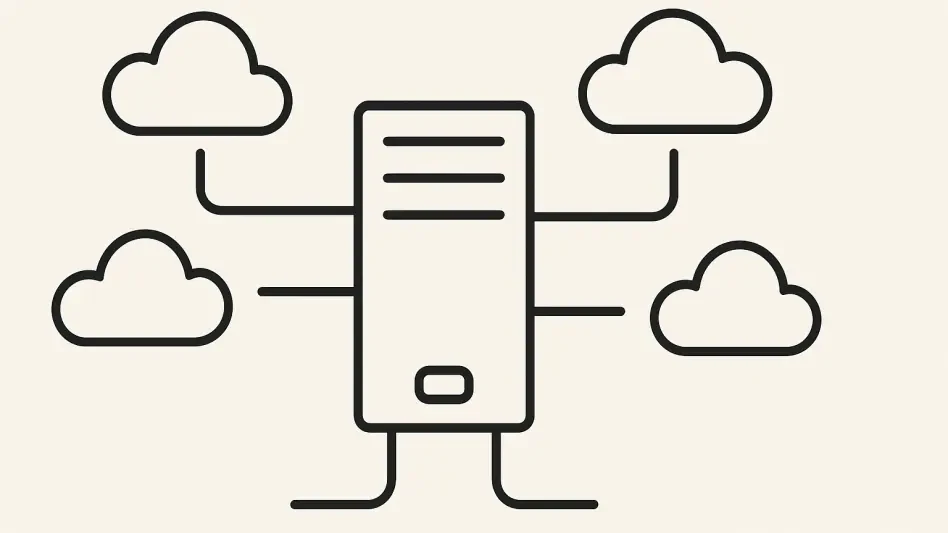

The technological interconnectivity binding managed service providers to their global client networks has recently exposed a terrifying structural fragility within the modern cybersecurity paradigm. When a primary management console is compromised, the metaphorical keys to the kingdom are not merely stolen; they are replicated and instantly distributed to every client endpoint across the globe. The recent N-able N-central crisis serves as a stark reminder that even the most diligent IT teams currently operate in a theater of war where traditional patch management is no longer enough to ensure safety. For managed service providers, this situation represents more than just a technical bug; it is a direct threat to the trust-based business model that defines the entire industry.
The High-Stakes Reality of the Centralized Management Bullseye
Centralization is the greatest strength of a Managed Service Provider (MSP), yet it has become the most dangerous vulnerability in the face of targeted supply-chain attacks. By design, tools like N-central provide administrative access to hundreds or thousands of client environments from a single, unified pane of glass. This concentration of power creates an irresistible target for adversaries who understand that breaching one server provides an automated gateway into an entire ecosystem of businesses. Instead of attacking a hundred companies individually, an actor only needs to succeed once to trigger a cascading failure across a massive customer base.
The psychological impact of such a bullseye cannot be overstated, as it forces MSPs to defend against threats that originate from within their own trusted toolsets. When the software used to monitor and secure a network becomes the very vehicle for a ransomware payload, the traditional security perimeter effectively vanishes. This shift requires a departure from the “set it and forget it” mentality, moving toward a state of constant vigilance where the management platform itself is viewed as a potential hostile agent. Providers are now realizing that their most efficient tools are also their most significant liabilities if not guarded with extreme measures.
Understanding the Anatomy of a CVSS 10.0 Catastrophe
At the heart of the current alarm is CVE-2026-86218, a rare and devastating unauthenticated remote code execution vulnerability that earned the highest possible severity rating of 10.0. Unlike standard bugs that require a user to interact with a malicious file or provide stolen credentials, this flaw allowed outsiders to seize total control of an N-central server with zero prior access. This level of exposure is a nightmare scenario for any software vendor, but it is particularly catastrophic for a management platform that holds the administrative privileges for an entire client portfolio.
The gravity of this flaw highlights a systemic weakness in how supply-chain security is handled at the highest levels of software development. It demonstrates that even mature platforms can harbor vulnerabilities that bypass every layer of authentication, leaving the front door wide open for state-sponsored espionage or large-scale ransomware deployment. This crisis serves as a case study in why CVSS 10.0 vulnerabilities are treated as existential threats; they negate the entire concept of a secured environment and demand immediate, non-negotiable remediation to prevent a total collapse of network integrity.
The Relentless Cycle of Exploitation and Patch Fatigue
The N-central crisis was defined by a rapid-fire series of technical failures that left even the most proactive IT administrators in a state of exhaustion. Throughout August and September 2026, the industry witnessed a volatile timeline where four critical hotfixes were released for three separate clusters of flaws in just five weeks. This “whack-a-mole” approach to security meant that as soon as one hole was plugged, another zero-day exploit emerged, often targeting the same architectural weaknesses. This cycle created a dangerous environment where the speed of exploitation frequently outpaced the human capacity for testing and deployment.
In several documented instances, attackers managed to breach environments that were supposedly fully updated, proving that prompt patching was no longer a guarantee of safety. Adversaries demonstrated sophisticated tactics by aggressively scanning N-central APIs to identify unpatched systems before MSPs could even register the release of a fix. This “one-to-many” disaster profile ensures that a single missed update or a few hours of delay can lead to a catastrophe for hundreds of downstream clients. The sheer volume of critical updates has pushed many teams toward patch fatigue, increasing the risk of human error during a high-stakes emergency.
Expert Perspectives on Post-Exploitation Persistence
Cybersecurity leaders are increasingly warning that the initial software patch is only the beginning of a much longer recovery process. Experts like Shane Barney of Keeper Security emphasize that attackers are not merely interested in temporary access; they are prioritizing long-term persistence within the MSP infrastructure. By creating fraudulent administrative accounts that mimic legitimate profiles, actors can maintain control of the environment long after the original vulnerability is remediated. This backdoor strategy allows them to remain dormant for weeks or months before launching a second, more destructive phase of an attack.
The danger extends beyond the individual server, as researchers suggest that once a foothold is established, actors move laterally to scan for other vulnerable targets within the broader MSP ecosystem. Security analysts from Huntress and Securonix argue that relying solely on software updates is a dangerous oversight that ignores the manual cleanup required to evict an intruder. If an intruder has already entered the house, locking the front door after the fact does nothing to remove the threat currently hiding in the basement. This reality necessitates a comprehensive forensic approach to every server that was exposed during the vulnerability window.
Strategic Framework for MSP Resilience and Recovery
To survive this era of supply-chain volatility, MSPs must transition from a reactive posture toward a proactive defensive framework. The first priority is a comprehensive audit of all administrative users to identify and delete “ghost accounts” created during the period of exposure. This process ensures that no unauthorized backdoors remain active within the management console. Furthermore, moving toward a zero-trust model is essential, where management tools are treated as highly privileged assets with restricted, session-based access. Implementing time-limited access protocols can drastically reduce the window of opportunity for an attacker even if a server is compromised.
Resilience also requires an investment in enhanced endpoint telemetry and threat-hunting capabilities that can detect anomalous behavior in real-time. Basic antivirus is no longer sufficient to stop zero-day exploits; instead, providers must monitor for the subtle signs of lateral movement and unauthorized API calls. Transparency between the MSP and the client is another critical pillar for recovery. By providing verifiable proof of their security posture, including hosting details and hotfix confirmation, MSPs can begin to rebuild the trust that was shaken by this crisis. Finally, isolating management traffic from the general network prevents a compromised server from becoming a pivot point into other internal systems.
The industry recognized the inherent risks of centralized management and moved toward a more fragmented, high-security architecture. IT leaders implemented rigorous account verification protocols that shifted the burden of proof from the user to the system itself. Providers adopted a strategy of total transparency, sharing forensic logs with clients to prove that no persistence was left behind after the 2026 exploits were mitigated. These actions transformed the crisis from a point of failure into a catalyst for a more robust and resilient managed services ecosystem. Through these collective efforts, the community ensured that the lessons of the N-central crisis became the foundation for the next generation of digital defense.